Key Takeaways
- Identify your hair type to personalize your care routine and maximize results. Taking the time to learn about your hair’s unique characteristics is the first step to making informed decisions about products, tools, and techniques.
- Use gentle washing techniques and nourishing conditioners to keep hair strong and manageable. The correct washing frequency and proper hydration are crucial in preventing damage and ensuring hair remains soft and easy to style.
- Reduce the frequency of heat styling and harsh chemical treatments to prevent damage. Giving your hair regular breaks from high heat and strong chemicals allows it to recover and rebuild natural strength over time.
- A nutrient-rich diet is essential for supporting hair growth and overall vitality. Prioritizing foods rich in essential vitamins and minerals will help your hair reach its healthiest length, luster, and density.
- Protect hair from the sun, pollution, and other stressors to keep it healthy and shiny. Proper protection safeguards your hair’s delicate outer cuticle and prevents long-term weakening or dullness caused by environmental harm.
Vibrant, resilient hair often results from mindful daily routines, a balanced diet, and the proper protective practices. For women, understanding and implementing the basics of hair care can make a significant difference in hair strength and integrity, especially as needs change with age. Exploring womens hair growth products across different stages of life can also provide targeted support for evolving hair goals, helping address common hair concerns such as thinning, dryness, or changes in texture. Developing a routine that keeps up with hormonal changes, stress levels, and environmental factors ensures your hair’s longevity, even as trends or personal preferences change over the years.
From choosing the right products for your hair type to enhancing scalp health, the key is to tailor your approach to your individual texture and needs. Incorporating new habits and smarter choices helps you achieve and maintain hair that’s full of life—regardless of the challenges you may face from the environment or your personal lifestyle. Staying consistent with your efforts not only provides visible results but also improves your overall confidence and relationship with your hair. As you begin to see the improvement, it becomes easier to adapt and experiment with the care routine that’s truly best for you.
Understanding Your Hair Type
Recognizing whether your hair is straight, wavy, curly, or coily is essential to customizing its care. For example, curly hair tends to dry out faster and benefits from richer, more emollient products, whereas straight hair can easily become oily and may require lighter formulas. The structure of your hair influences everything from how products are absorbed to which styles work best, making it vital to observe how it behaves after washing, air-drying, or exposure to humidity. Understanding your hair’s natural texture and porosity can help you avoid unnecessary damage and ultimately keep your hair looking its best. According to Healthline, identifying your hair type is a key step in choosing products and routines that support long-term hair health. If you’re still unsure about your hair’s needs, consult a stylist for a personalized recommendation, or consider trying different routines for a few weeks to see how your hair responds.
Gentle Washing and Conditioning Techniques
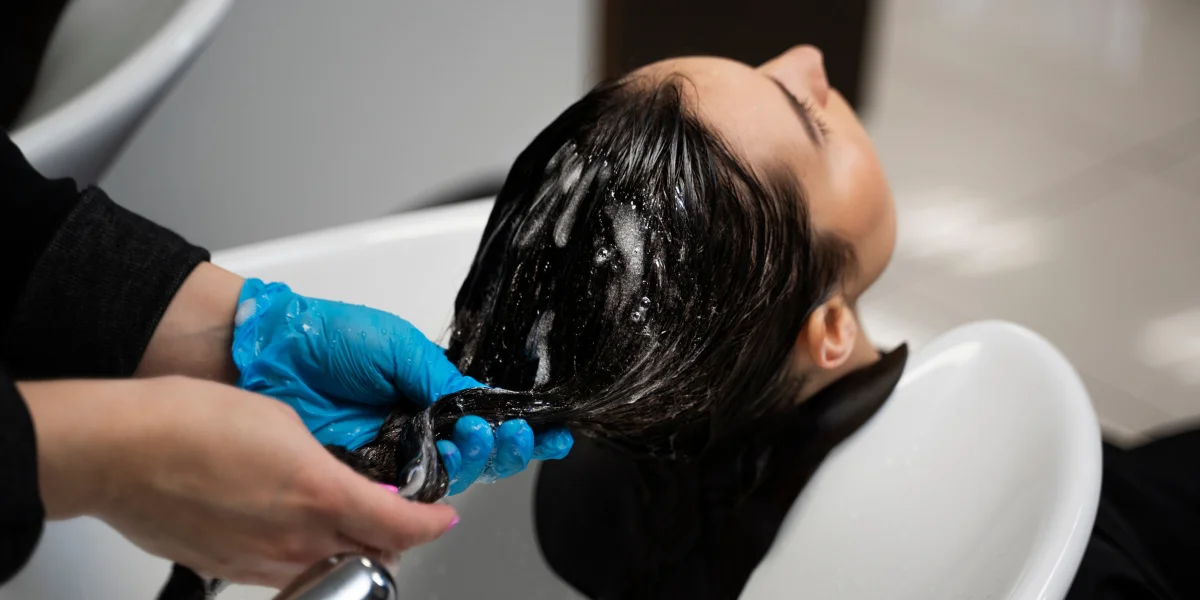
It’s a common misconception that hair must be washed daily. Instead, washing frequency should match your scalp’s oil production and your daily activities. For instance, if you work out frequently or live in a humid climate, you may need to wash more often than someone with a dry scalp or in a cooler environment. When shampooing, focus on the scalp—this is where oils and build-up occur—while allowing the lather to cleanse the lengths of your hair as you rinse gently. Rough scrubbing can cause tangling and breakage, so always massage gently with your fingertips instead of using your nails. Always follow with a conditioner tailored to your hair type, and consider a weekly deep conditioning mask for enhanced moisture. These treatments replenish hair’s hydration and help prevent split ends, keeping your hair manageable, shiny, and resistant to breakage and frizz.
Limiting Heat and Chemical Treatments
High temperatures from styling tools and regular chemical processing can leave your hair brittle and prone to breakage. Limit these practices as much as possible and never skip a heat protectant before using flat irons or curling wands. Heat protectants form a barrier, reducing direct damage to the hair cuticle and locking in moisture. Embracing natural styles and incorporating air-drying into your routine will yield healthier results over time. Reducing heat and chemical exposure is a proven way to maintain stronger, less damaged hair. For those who color or perm their hair, spacing out chemical treatments and relying on conditioning treatments between appointments can restore elasticity and vibrancy, making your hair more resilient overall.
Incorporating a Nutrient-Rich Diet
Good nutrition is a non-negotiable factor in achieving optimal hair health. Protein forms the building blocks of hair, while vitamins and minerals such as iron, vitamin D, biotin, and zinc all support growth and thickness. A lack of these nutrients can slow hair growth or increase shedding, making it essential to eat a balanced diet that meets your unique needs. Omega-3 fatty acids found in foods like salmon, walnuts, and flaxseeds have been shown to enhance shine and reduce shedding. Stay hydrated as well, since moisture from within contributes to more elastic, less brittle hair. For more details on the connection between diet and hair growth, review this resource from WebMD. If you have dietary restrictions, consider speaking to a healthcare provider about possible supplements, but always aim to get nutrients from whole foods when you can.
Protecting Hair from Environmental Stressors
Sun, wind, pollution, and hard water can strip hair of its natural oils and weaken its structure. Wear hats or scarves to shield your hair from UV exposure during outdoor activities, and use UV-protectant sprays when needed. If hard water is an issue in your area, installing a shower filter can help reduce mineral buildup, preserving softness and manageability. Not only does this help maintain your hair’s natural color and texture, but it also prevents issues like dullness and difficulty styling. Rinsing hair after swimming in chlorinated pools is also a simple but effective protective measure. Chlorine can make hair rough and brittle, so always wash pool water out as soon as possible, and use leave-in conditioners or swimming caps during your swim sessions for added protection.
Regular Trims and Scalp Care
Regular trims—every six to eight weeks—help prevent split ends from traveling up the hair shaft, keeping hair looking neat and complete. Trimming isn’t just about maintaining shape; it also contributes to a healthier overall appearance and makes hair easier to manage. Don’t overlook your scalp, as it’s the foundation for hair follicle health. Gentle scalp massages can boost circulation, and occasional exfoliation helps to clear away dead skin and product buildup. You can use specialized scalp scrubs or simply massage with the pads of your fingers in small, circular motions to relieve tension while supporting new growth. These practices provide an optimal environment for new hair growth and reduce issues like dandruff and itchiness, ensuring hair grows strong and free of obstruction.
Choosing the Right Hair Care Products
Select products that address your specific concerns, whether that’s dryness, thinning, or breakage. The types of ingredients in your shampoo, conditioner, and treatments make a noticeable difference, so it’s helpful to read labels and avoid harsh additives like sulfates and parabens. Sulfate-free shampoos are recommended to retain natural moisture and minimize irritation. If you’re experiencing thinning, consider products infused with ingredients such as biotin or keratin for extra reinforcement. Always check ingredient lists for nourishing elements like argan oil, shea butter, and plant-based proteins to support your hair goals. Even minor tweaks, such as switching to a satin pillowcase or using wide-tooth combs, can help prevent unnecessary damage and promote a healthier routine overall.
Conclusion
Optimal hair health results from understanding your unique hair type, treating your scalp and strands kindly, fueling your body with the proper nutrients, and protecting your hair from daily stressors. While genetics does play a role in your hair’s inherent qualities, your care habits have a significant impact. By integrating these thoughtful strategies into your routine and making small, sustainable changes, you can enjoy beautiful, healthy hair at any age. Remember, consistency is key—committing to better habits today leads to increased hair vitality and long-term benefits.