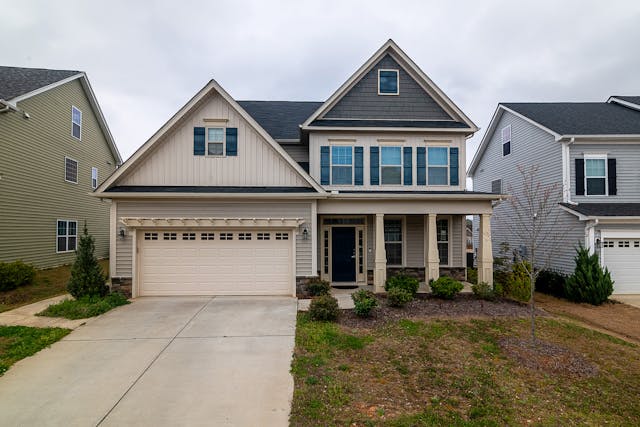
Image by pexels.com
Most expensive home repairs don’t start as big problems. They begin quietly. A small noise you ignore. A door that feels a little heavier than usual. A system that still works, but not quite the way it used to. Because nothing is completely broken, it’s easy to move on and deal with it later.
The trouble is that “later” often comes with a higher price tag.
When you own a home, staying ahead of repairs isn’t about being overly cautious or fixing things that don’t matter. It’s about noticing small changes and understanding what they’re trying to tell you. Homes communicate problems early, but only if you’re paying attention.
By developing simple habits and addressing minor issues as they appear, you can prevent small wear and tear from turning into major, costly repairs. Paying attention early doesn’t just save money. It saves time, stress, and the frustration of dealing with emergencies that could have been avoided.
The Small Home Issues That Are Easy to Miss
Some of the most important home systems are also the easiest to overlook. You use them every day, so gradual changes don’t always stand out. Doors that open and close, fixtures that move, and systems that run quietly in the background tend to fade into your routine.
One common example is entry and access points that get daily use. If something starts moving more slowly, sounding different, or feeling less smooth, that’s often an early warning sign. Addressing issues early, such as staying on top of garage door maintenance, helps prevent worn components from straining other parts of the system, which can lead to sudden failures or safety concerns. Professional maintenance services are designed to catch these early signs, adjust moving parts, and keep systems operating safely before small problems turn into expensive repairs.
The key is understanding that early attention doesn’t mean replacing everything. It means recognizing when something needs a closer look and getting help before damage spreads.
Why Waiting Often Makes Repairs More Expensive
Delaying repairs usually feels harmless in the moment. After all, if something still works, why rush? The problem is that many home systems are connected. When one part starts failing, it often puts extra strain on other components.
What begins as a simple adjustment can turn into a full replacement if it’s ignored too long. Worn parts rub against each other, motors work harder than they should, and structural components slowly weaken. By the time the problem becomes impossible to ignore, the repair is often bigger and more expensive.
Waiting also limits your options. Early fixes are usually straightforward. Later repairs may require emergency service, specialized parts, or temporary solutions that add to the cost. Acting early gives you control instead of forcing you to react.
How Preventive Maintenance Protects Your Home’s Value
Your home’s value isn’t just about how it looks. It’s about how well it’s been cared for. Regular maintenance shows up in inspections, appraisals, and buyer confidence. A home that’s clearly been maintained feels safer and more reliable to anyone walking through it.
Preventive care keeps systems running efficiently and reduces the likelihood of surprise repairs. When buyers or inspectors see that major systems have been consistently maintained, it signals responsibility and attention to detail.
Even if you’re not planning to sell anytime soon, protecting your home’s value matters; maintenance preserves function and appearance while helping you avoid large, unexpected expenses down the road.
Learning to Spot Warning Signs Before Damage Spreads
Most homes give clear signs when something isn’t right; you need to know what to look for. Changes in sound, movement, or performance are often the first clues. A new rattle, a slight delay, or extra resistance can indicate wear that needs attention.
Visual signs matter too. Gaps, cracks, or uneven movement shouldn’t be brushed off as “normal aging.” While homes do settle and change over time, noticeable differences often point to specific issues.
The goal isn’t to panic over every detail, but to notice patterns. If something feels off more than once, it’s worth investigating. Early awareness allows you to act calmly instead of waiting for something to fail.
Creating Simple Maintenance Habits That Stick
Staying ahead of repairs doesn’t require a complicated schedule or constant monitoring. Simple habits make the biggest difference. Taking a few minutes every couple of months to walk around your home and notice how things look and feel can uncover issues early.
Seasonal check-ins work well for many homeowners. As the weather changes, your home responds. Paying attention during these transitions helps you spot stress points before they worsen.
Consistency matters more than intensity. You don’t need to inspect everything all the time. You need to notice when something changes and take it seriously.
Common Areas of the Home That Benefit From Early Attention
Some parts of your home are more prone to wear because they’re used frequently or exposed to the elements. Doors, entry systems, roofing, plumbing connections, and foundations all benefit from early attention.
Ignoring one area can create problems elsewhere. For example, water intrusion from a small leak can damage walls and floors. A door that doesn’t operate properly can affect insulation and security. These systems don’t exist in isolation.
Looking at your home as a whole helps you understand why small fixes matter. Early attention in one area often prevents damage in another.
When to Handle Issues Yourself and When to Call a Professional
It’s helpful to know your limits as a homeowner. Some maintenance tasks are simple and safe to handle on your own, like cleaning, tightening visible hardware, or checking for obvious wear. Others involve moving parts, safety concerns, or specialized tools.
Calling a professional early can actually save money. Trained technicians know what to look for and can address issues before they escalate. They also help ensure repairs are done correctly, reducing the risk of repeat problems.
If you’re unsure whether something is minor or serious, it’s better to ask than to wait. Early guidance often prevents costly mistakes.
Avoiding costly home repairs doesn’t require constant vigilance or expensive upgrades. It starts with paying attention early; small changes in how your home looks, sounds, or functions are often signals, not inconveniences.
By noticing issues early, creating simple maintenance habits, and getting help when needed, you can prevent minor wear from becoming major repairs. This proactive approach protects your home’s value, saves money, and reduces stress.
A well-maintained home isn’t one that never has problems. It’s one where problems are addressed before they grow. Paying attention now helps you enjoy your home longer, with fewer surprises and greater peace of mind.



