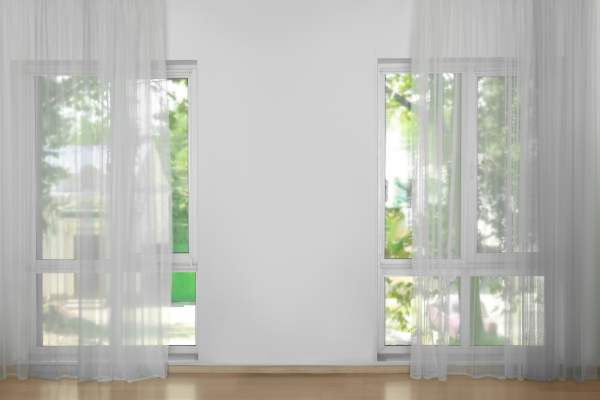
For centuries, window treatments have been more than decorative drapery. They’ve served as essential tools for managing light, enhancing privacy, and elevating the style of living spaces. From the grandeur of heavy curtains in historic estates to the sleek minimalism of today’s automated blinds, the evolution of window coverings reflects the ever-changing needs of homeowners.
In the modern home, the challenge is no longer just choosing something that looks good. Today, the right window treatments must also improve energy efficiency, support lifestyle convenience, and complement diverse interior design themes. As options like motorized shades and woven wood shades enter the mainstream, homeowners find themselves at a crossroads between tradition and technology.
This journey from function to form—and now to smart integration—reveals just how central window coverings have become to creating a balanced home environment.
From Function to Form: A Brief Look Back
Historically, window treatments were designed for practical needs. Thick textiles kept heat in during colder months and blocked sunlight in the summer. Privacy, especially in urban settings, was another major driver behind the use of heavy drapes, wooden shutters, and layered fabrics.
As homes modernized, so did the options. The 20th century brought the rise of metal blinds and simpler curtains, introducing lighter-weight solutions that required less maintenance. These new styles suited mid-century modern homes and opened the door for more minimalist aesthetics.
Today, we live in an age where both function and form are non-negotiable. Homeowners want their blinds or shades to complement their décor while offering real performance: better light control, insulation, and convenience.
The Rise of Smart and Sustainable Solutions
One of the most notable shifts in recent years has been the growing popularity of motorized shades. These allow users to raise or lower treatments with a remote control, wall panel, or smartphone app. In some cases, systems can even be integrated into whole-home automation platforms, syncing with thermostats and lighting schedules.
Motorized shades aren’t just about luxury. They help regulate indoor temperatures by automatically adjusting based on sunlight, reducing reliance on heating and cooling systems. For tall or hard-to-reach windows, they solve accessibility issues without compromising design.
On the sustainability side, materials matter. Natural textures, like bamboo and rattan, are increasingly used in woven wood shades, which offer both environmental appeal and unique visual interest. These organic styles align with a broader trend toward eco-conscious interior design.
The move toward smarter, more sustainable options shows how window treatments have become part of a larger conversation about how homes should feel, function, and support daily living.
The Return of Classic Elegance
While smart technology grabs headlines, timeless options like plantation shutters and Roman shades remain popular for a reason. They offer structure, texture, and a sense of permanence in a world where design trends can feel fleeting.
Plantation shutters bring architectural elegance and are known for their durability. They also offer exceptional light control, allowing for both privacy and natural illumination with a simple tilt. Their clean lines work well in a variety of design settings—from coastal homes to contemporary lofts.
Roman shades, with their soft folds and tailored look, strike a balance between the luxury of drapery and the simplicity of blinds. Available in a wide range of fabrics and finishes, they add softness without cluttering visual space.
The beauty of these styles lies in their adaptability. Whether paired with minimalist interiors or layered into maximalist rooms, they maintain their relevance by blending functionality with sophistication.
Layering Styles for Dimension and Depth
One trend gaining momentum is the practice of layering window treatments. This involves combining different types of coverings—for example, pairing sheer Roman shades with heavier drapes or framing plantation shutters with a decorative valance.
Layering allows for better light management throughout the day. Homeowners can use sheer shades to diffuse sunlight during peak hours and draw thicker coverings at night for privacy and insulation.
This approach also introduces a tactile element to window design. Different materials, colors, and textures can be used to create a visual focal point or to soften the hard lines of a space. For open-plan homes, layered treatments help define specific areas while maintaining a cohesive aesthetic.
Customization as a Design Principle
One of the most exciting developments in the world of window treatments is the growing accessibility of customization. Homeowners are no longer limited to off-the-shelf solutions. Today, window coverings can be tailored in size, color, material, and control method to fit exact specifications.
This has allowed for a more holistic approach to interior design. Window treatments are now considered early in the design process—not as an afterthought. Whether the goal is to match hardwood floors with wood-toned blinds or to contrast minimalist furniture with bold Roman shades, customization makes it possible to achieve precise visual harmony. Window treatments in Tampa follows the same personalized approach, offering homeowners flexible and style-conscious options.
Brands like Shutters & Shades understand the importance of blending individuality with practicality. By offering a wide range of modern and timeless options, they help homeowners navigate the evolving landscape of design and functionality.
Why Window Treatments Still Matter
In the age of smart homes and streaming devices, it’s easy to overlook the humble window covering. Yet few elements in a home affect mood, lighting, temperature, and privacy as immediately as a well-chosen blind or shade.
The right window treatments can:
- Reduce glare and eye strain during work-from-home hours
- Improve sleep by blocking light in bedrooms
- Enhance energy efficiency throughout seasonal changes
- Create ambiance for social spaces like dining rooms and living rooms
- Protect flooring and furniture from sun damage
In short, these design tools touch nearly every aspect of daily life.
A Closing Perspective
As interior design continues to evolve, window treatments remain a central component of a well-balanced home. They’ve grown from simple fabric panels into intelligent, versatile design solutions that reflect both style and lifestyle needs.
From the tactile richness of woven wood shades to the sleek convenience of motorized blinds, the options available today empower homeowners to shape their space with intention and care.
For those navigating these decisions, companies like Shutters & Shades offer expertise and variety to help bring any vision to life—elegantly, efficiently, and enduringly.



