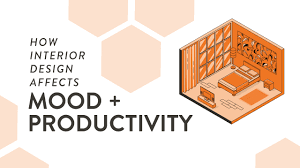
Home is more than just a physical shelter—it’s an emotional and psychological space that significantly impacts how we feel, think, and behave. Whether we realize it or not, our surroundings are constantly shaping our energy levels, productivity, mental health, and relationships. That’s why thoughtful home improvements go beyond aesthetic upgrades—they create environments that support well-being and functionality.
This concept is especially relevant as more people work from home, manage busy households, or seek refuge from an increasingly fast-paced world. Subtle changes in layout, lighting, color, and organization can have measurable effects on our daily experience. And for homeowners who want to invest in both the comfort and value of their property, the psychological benefits of well-planned improvements are as important as their financial return.
Professionals like Gikas Painting & Contracting understand that every room holds potential not just for design but for daily joy and ease. A carefully considered approach to all home improvements can truly enhance how we live.
The Color Effect: More Than Just Paint
Color plays a powerful role in human psychology. From ancient traditions to modern marketing, it’s long been used to influence mood, behavior, and even appetite. At home, color choices should be made with intention—because the shades on your walls can either calm you down or ramp you up.
For example, blues and greens tend to have a soothing effect, making them ideal for bedrooms or reading nooks. On the other hand, warm colors like yellow and orange promote energy and creativity, which can be great for kitchens or home offices. Neutral tones provide balance and flexibility, allowing other elements like lighting and textures to take center stage.
When considering home improvements, paint is one of the easiest and most cost-effective changes. A fresh coat can not only modernize a space but also reset the emotional tone of the room.
Layout and Flow: Creating Calm Through Structure
The way furniture and architectural features are arranged has a direct impact on how a space feels. Crowded, poorly organized layouts can lead to feelings of stress or overwhelm, while open, well-flowing rooms promote ease and clarity.
Open-plan spaces have grown in popularity for their ability to foster connection and flexibility. However, they should still provide clear zones for rest, work, dining, and play. This ensures the environment supports different mental states throughout the day—whether it’s focusing on a task or relaxing after a long one.
Effective home improvements often involve rethinking room flow or even removing unnecessary barriers. Small structural changes—like widening a doorway or reorienting a kitchen island—can dramatically improve the way a home functions and feels.
Light Matters: Natural and Artificial Solutions
Lighting influences our circadian rhythms, energy levels, and even hormonal balance. Dark, poorly lit rooms can contribute to fatigue and depression, while bright, well-lit spaces support focus and alertness.
Natural light is ideal, so window enlargements, skylights, or the use of reflective surfaces can enhance daylight. In spaces where natural light is limited, layered lighting design becomes essential. This includes ambient lighting (general illumination), task lighting (focused on specific activities), and accent lighting (to highlight architectural or design features).
Home improvements involving lighting don’t have to be dramatic. Replacing outdated fixtures, switching to daylight-tone bulbs, or integrating dimmers can elevate both function and ambiance.
Clutter vs. Clarity: The Impact of Storage Solutions
It’s no secret that clutter can contribute to mental fog, anxiety, and reduced productivity. Environments that lack organization make it harder to focus and relax. That’s why storage-focused home improvements are so beneficial.
Adding built-in shelves, cabinetry, or multipurpose furniture can reduce visual noise and create designated spots for everything. This not only makes daily life more efficient but also creates an atmosphere of order and peace.
Clear surfaces, well-labeled storage, and hidden compartments help remove the mental load of constant tidying. In fact, spaces that are easy to maintain can lead to better daily routines and improved sleep—both of which are foundational to good mental health.
Personalized Spaces: The Role of Identity and Control
One often overlooked aspect of home improvement is its ability to support personal identity. Spaces that reflect the tastes, values, and history of the people who live there offer a sense of grounding and control. Whether through artwork, heirlooms, travel souvenirs, or custom finishes, personalized elements contribute to emotional security and satisfaction.
Control over one’s environment is a known factor in psychological resilience. The ability to adjust temperature, lighting, privacy, or even the layout of a space empowers people to respond to changing moods or needs. When homeowners invest in custom features, smart home upgrades, or modular furniture, they’re not just buying convenience—they’re reinforcing their sense of agency.
Brands like Gikas Painting & Contracting recognize that improvements are most successful when they align with the homeowner’s lifestyle and preferences, not just popular trends.
Outdoor Extensions: Nature’s Effect on Mind and Body
It’s not just the interiors that shape our mental state. Outdoor living areas are increasingly seen as essential extensions of the home. Exposure to greenery, fresh air, and natural textures provides cognitive and emotional benefits, such as reduced anxiety and improved mood.
Adding a patio, deck, garden wall, or outdoor kitchen encourages people to spend more time outside. Even small additions like a reading bench under a tree or a corner herb garden can shift daily habits toward healthier patterns.
When planning home improvements, outdoor spaces deserve just as much thought and attention as interiors. They’re not just “nice to have”—they’re wellness assets.
A Holistic Approach to Design and Well-Being
The best home improvements consider both aesthetics and emotional impact. It’s not about having the biggest kitchen or the trendiest paint color—it’s about creating a home that truly supports those who live in it. Every design decision, from materials to layout, plays a role in shaping mood, behavior, and lifestyle outcomes.
Investing in all home improvements with this holistic mindset leads to spaces that feel not just updated but transformed. Whether it’s more light, less clutter, better function, or deeper personalization, the goal is the same: to build a home that feels as good as it looks.
As more homeowners prioritize mental health and personal fulfillment, home improvement professionals have a unique opportunity to deliver more than just visual results. By recognizing the emotional power of space, they can help turn every house into a sanctuary.



