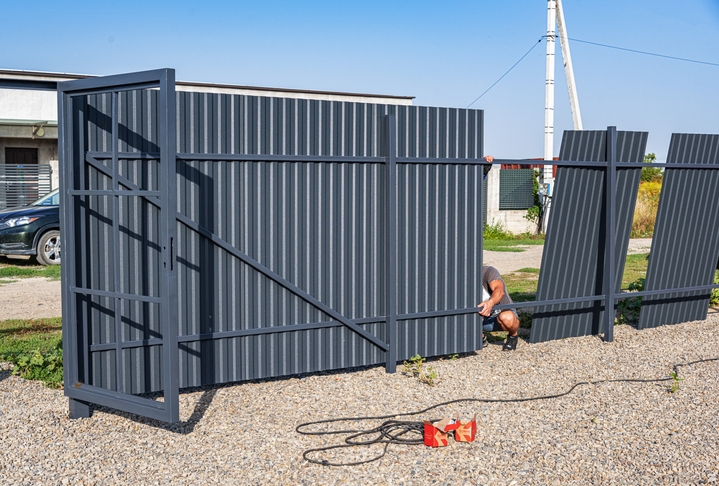
How Materials Shape Fence Pricing Decisions
The initial decision for fencing projects is materials. Classic wood fencing is popular for its natural look but may require regular treatments. Vinyl fences offer consistent color, durability, and minimal upkeep but may cost more upfront. However, they offer savings over time due to reduced maintenance.
Metal options, such as aluminum or steel, can promise a lifetime of use if properly cared for. These materials, especially when customized with ornamental touches, tend to sit at the higher end of the price range. Meanwhile, chain link fencing is affordable and practical for marking property lines or enclosing pets, albeit with less privacy. According to the fence installation cost guide, average installation costs can vary from a few thousand dollars for simple, functional fences to over ten thousand dollars for large properties with decorative upgrades. This range reflects the raw materials, manufacturing quality, and intended use—privacy, safety, decoration, or any combination.
Style Choices and Visual Impact
Fences add value and personality to yards, with styles ranging from picket fences to custom lattice and modern horizontal boards. Decorative elements like scalloped tops and post caps can transform utilitarian features into landscape highlights. However, aesthetic upgrades should be weighed against increased costs in materials and labor. Simple designs like picket, ranch-rail, or chain link remain affordable, while tall panels offer privacy but require more support. Special features like gates, arbors, or built-in planters require skilled installation—appearance matters for pride of ownership and resale value.
The Role of Permits and Local Regulations
Permits are required for new fences, especially those near public spaces or neighbors. Fees can vary, and jurisdictions enforce fence height, setback, and materials rules. Involving authorities from the start prevents mistakes and ensures legal installation. Consult municipal websites or contact your city’s planning department for clarification. Site surveys and boundary confirmation may be necessary before submitting permits. Early research helps with a smoother project timeline. Referencing a comprehensive fence installation planning guide can also streamline the process by outlining key steps, standard regulations, and helpful tips for avoiding delays. Keep permits and numbers on hand for contractor and inspection teams.
Climate and Environmental Considerations
Choosing materials and construction techniques that suit the local climate is crucial for a long-lasting fence. Humid, wet areas can accelerate wood decay, while coastal conditions cause corrosive air. Cold temperatures may cause vinyl to expand or contract. Wood, like cedar, can withstand elements but requires regular sealing. Vinyl is ideal for water-prone areas, but installation should consider temperature fluctuations. Metals should have corrosion-resistant coatings, or aluminum, for rustproof fencing.
Budgeting and Financing Your Fencing Project
A successful fence project involves a comprehensive budget, outlining all costs including materials, labor, delivery, permits, and a 10% to 15% buffer for unplanned expenses. Consider upgrades and smaller expenses like fasteners, concrete, caps, and staining products. If upfront payment isn’t feasible, consider staged payment plans or financing. Read the fine print for payment agreements and ensure all consultations, design work, and materials are included in writing. Budget for recurring costs like repainting or repairs to maintain your fence’s long-term condition and financial stability.



