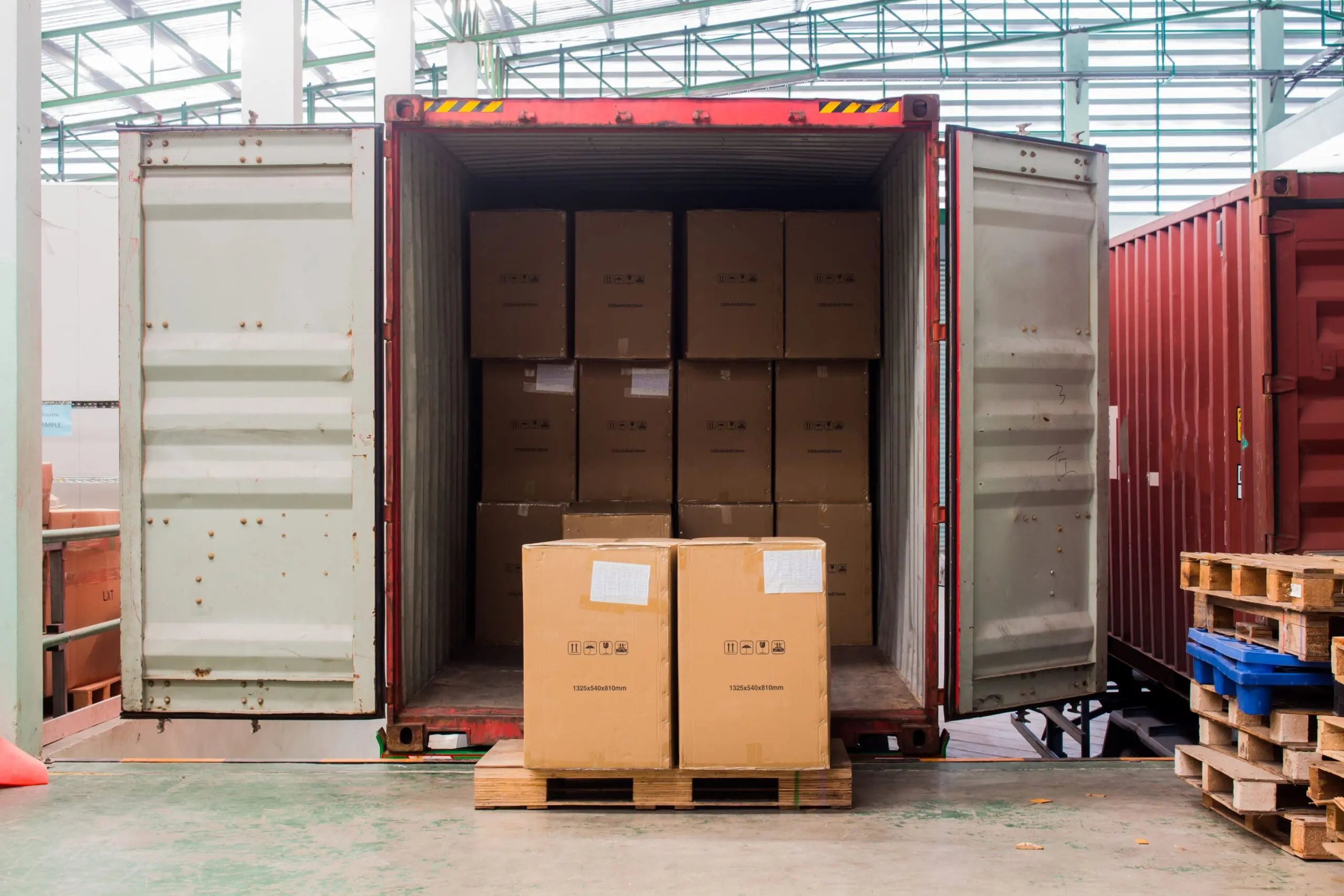
Used shipping containers have become a popular solution for everything from extra storage to tiny homes and retail spaces. Their durability, modular design, versatility, and affordability make them an attractive option for individuals and businesses alike. However, not all containers are created equal. Buying a used container is a practical decision, but knowing what to look for can mean the difference between a smart investment and a costly mistake.
In this guide, we’ll walk through the key factors to consider when buying a used shipping container to ensure you get the best value for your money.
1. Determine the Intended Use
Before you even begin browsing listings, it’s essential to consider how you intend to use the container. Your purpose will help guide the type, condition, and size of the container you need.
- Storage: For basic storage, cosmetic flaws like rust and dents might be acceptable as long as the container is watertight.
- Conversion Projects: If you’re turning a container into an office, café, or home, you’ll want one in better condition, structurally sound and possibly already modified.
- Shipping Goods: If you’re planning to use the container for its original purpose, transporting goods, you’ll need one that meets international shipping standards.
Understanding your use case upfront will help narrow your options and ensure you don’t overspend on unnecessary features.
2. Choose the Right Size and Type
Shipping containers come in various sizes and configurations. The most common sizes are:
- 20-foot containers: Approximately 20′ long x 8′ wide x 8.5′ high. Ideal for small storage or conversion projects.
- 40-foot containers: 40′ long x 8′ wide x 8.5′ high. Offers more space and often better value per square foot.
- High Cube containers: Same footprint as standard containers but an extra foot in height (9.5’ high). Great for added vertical space.
In addition to standard dry containers, consider specialty types if needed:
- Refrigerated containers (reefers) for temperature-sensitive storage.
- Open-top containers for easy loading of bulky goods.
- Flat racks for oversized or irregularly shaped items.
Knowing the size and type you need helps avoid compatibility issues later, especially if space or transport logistics are involved.
3. Inspect the Container’s Condition
The condition of a used shipping container is perhaps the most critical factor in your purchase decision. There are several grades of containers, each with different levels of wear and usability:
- One-Trip: Almost new, used only once to transport cargo. These containers are in excellent condition and ideal for conversion projects.
- Cargo-Worthy (CW): Inspected and certified for overseas transport. Structural integrity is intact.
- Wind and Watertight (WWT): Not certified for international shipping but suitable for storage. Doors seal properly, and there are no holes.
- As-Is: The lowest grade, may have structural issues or extensive rust. Usually the cheapest but highest risk.
What to Look for During Inspection:
- Exterior: Check for rust, especially around the base and corners. Surface rust is common but deep pitting or corrosion could indicate long-term damage.
- Interior: Inspect the floors (usually marine-grade plywood) for rot, stains, or soft spots. Look at the walls for dents, rust, or mold.
- Roof: Make sure it’s not sagging. Even minor damage on the roof can lead to water pooling and leaks.
- Doors and Seals: Doors should open and close smoothly. Check the gaskets and seals for wear and tear, ensuring they can keep moisture out.
- Corners and Frame: The corner castings are critical for stacking and lifting. These should be free from cracks or warping.
If buying remotely or online, ask for recent photos or a video walkthrough. Reputable sellers will often provide a condition report.
4. Consider Delivery and Placement Logistics
Used shipping containers are heavy, typically between 2.5 to 4.5 tons. Delivery and placement can be a logistical challenge depending on your location and access.
Delivery Considerations:
- Site Access: Ensure your site can accommodate a delivery truck and that there’s a level, solid surface for the container.
- Delivery Equipment: Tilt-bed trucks and cranes are common for offloading. Confirm with the supplier whether delivery and placement are included in the price.
- Permits and Regulations: Depending on your municipality, placing a container on your property may require permits. Always check with local authorities beforehand.
Having a plan in place for delivery and site prep can save time and unexpected costs.
5. Compare Prices and Get a Detailed Quote
Prices for used containers vary based on condition, size, location, and market demand. As of recent years, the demand for containers has surged due to supply chain disruptions and the popularity of container conversions. Here are a few general price ranges (subject to location and market conditions):
- As-Is: $1,500 – $2,500
- WWT: $2,000 – $3,500
- Cargo-Worthy: $2,500 – $4,500
- One-Trip: $4,000 – $6,000+
Make sure your quote includes:
- Container cost
- Delivery fees
- Sales tax (if applicable)
- Additional charges (e.g., offloading, modification requests)
Don’t forget to shop around. Contact multiple suppliers, ask about warranties, and read reviews.
6. Vet the Seller
Not all container dealers are created equal. Whether buying from a large distributor or a local reseller, it’s important to vet your source.
Questions to Ask the Seller:
- How long have you been in business?
- Can I inspect the container before buying?
- Is there a warranty or return policy?
- Do you offer delivery, and what does it include?
- Are your containers guaranteed wind and watertight or cargo-worthy?
A trustworthy seller should be transparent about the container’s condition and history and be willing to answer your questions thoroughly.
7. Think About Modifications
If you plan to modify the container – adding windows, doors, ventilation, insulation, or electrical – you might want to factor this in before purchasing.
Things to Consider:
- Some sellers offer modified containers or custom builds.
- Cutting into a container requires expertise to avoid compromising structural integrity.
- Consider the cost of modification vs. buying a container already fitted to your needs.
If you’re working with a contractor, involve them early in the selection process to choose a container that aligns with your plans.
8. Sustainability and Environmental Factors
Buying a used shipping container can be a sustainable choice, as it gives new life to an existing product. However, not all containers are eco-friendly by default.
- Check for harmful substances: Containers used for transporting chemicals may have been treated with pesticides or toxins. Ask about the container’s previous use.
- Opt for upcycled options: Some suppliers specialize in environmentally friendly refurbishments.
- Proper disposal: If your container is ever beyond repair, be sure to recycle or dispose of it responsibly.
Final Thoughts
Buying a used shipping container is a cost-effective and versatile solution for many projects, but it requires due diligence. By carefully considering your needs, inspecting the container’s condition, understanding delivery logistics, and choosing a reputable seller, you can make a smart investment that serves you for years to come.
Whether you’re adding extra storage, building a container home, or launching a pop-up shop, a well-chosen used container can be the sturdy, secure foundation your project needs.



