Anxiety affects millions of people in the United States, making it one of the most common mental health conditions. While occasional worry is normal, persistent anxiety can interfere with daily life and relationships. Understanding this condition, its causes, and available treatments can help you recognize when professional support may be beneficial.
What Is Anxiety?
Anxiety is a psychological and physiological response to perceived threats or stressful situations. It manifests as excessive worry, fear, or apprehension about future events or circumstances. Unlike normal stress responses, anxiety disorders involve persistent, overwhelming feelings that occur even when no immediate danger exists.
The condition affects both the mind and body, creating a cycle where physical symptoms can intensify psychological distress. The brain’s fear response system becomes hyperactive, triggering symptoms even in safe environments. Mental health professionals diagnose anxiety disorders when these feelings become chronic, disproportionate to the situation, and significantly impact daily functioning.
What Causes It?
Multiple factors contribute to the development of this condition. Genetic predisposition plays a significant role, as individuals with family histories of anxiety or other mental health conditions face higher risks. Brain chemistry imbalances, particularly those involving neurotransmitters such as serotonin and dopamine, can also trigger symptoms.
Environmental factors frequently contribute to anxiety development. Traumatic experiences, chronic stress, major life changes, and substance abuse can all precipitate mental health disorders. Medical conditions and certain medications may also cause anxiety-like symptoms.
What Are the Different Types?
Generalized anxiety disorder involves persistent, excessive worry about multiple life areas, including work, relationships, and health. Social anxiety disorder centers on intense fear of social situations and potential judgment from others. Specific phobias create intense fear responses to particular objects or situations, such as flying or spiders. Panic disorder involves recurrent, unexpected panic attacks accompanied by physical symptoms like rapid heartbeat and shortness of breath.
What Are the Physical Symptoms?
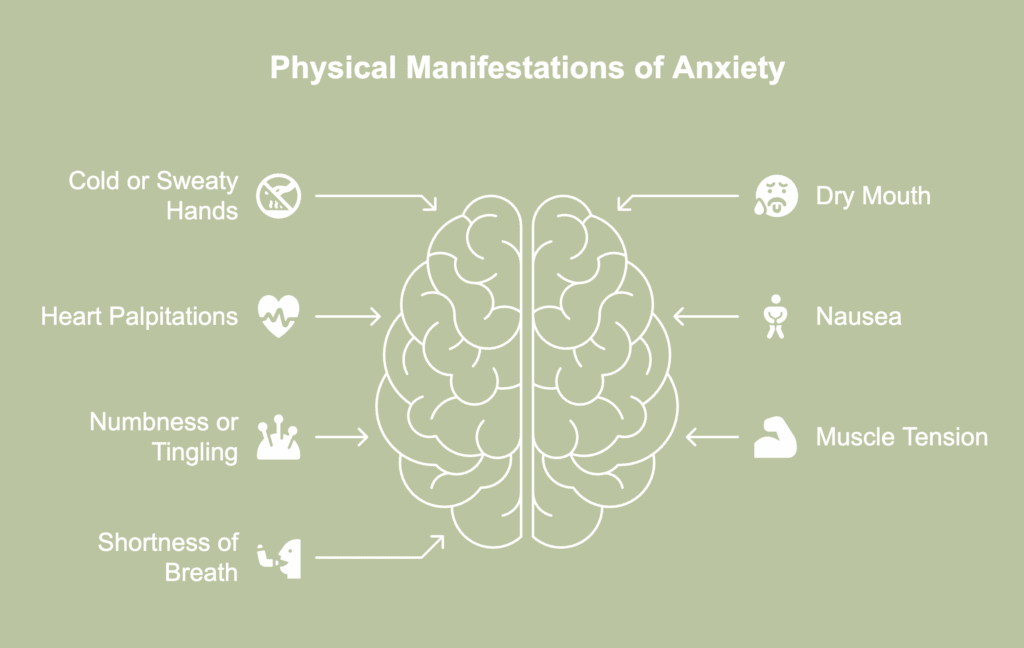
This condition produces numerous physical manifestations that can be distressing and disruptive. Cardiovascular symptoms include rapid heartbeat, chest pain, and palpitations. Respiratory symptoms may involve shortness of breath, hyperventilation, or feelings of suffocation.
Gastrointestinal symptoms frequently accompany this mental health disorder, including nausea, stomach pain, diarrhea, and loss of appetite. Neurological symptoms can include dizziness, headaches, trembling, and muscle tension. Sleep disturbances, fatigue, and sweating are also common physical manifestations.
How Is Anxiety Treated?
Cognitive behavioral therapy is an effective psychological treatment for mental health disorders. This approach helps individuals identify and modify negative thought patterns that contribute to anxiety symptoms. Exposure therapy gradually introduces individuals to feared situations or objects in controlled environments. This systematic approach helps reduce avoidance behaviors over time.
Exercise provides benefits for anxiety management through multiple mechanisms. Physical activity releases endorphins, reduces stress hormones, and provides healthy outlets for nervous energy. Stress management techniques teach individuals practical skills for handling daily pressures. These may include time management strategies, boundary setting, and lifestyle modifications that reduce overall stress levels.
Relaxation techniques such as deep breathing, progressive muscle relaxation, and mindfulness meditation help activate the body’s relaxation response. These skills provide immediate tools for managing acute symptoms and can be practiced regularly to reduce overall anxiety levels. Medications may be prescribed when symptoms are severe or don’t respond adequately to therapy alone.
Seek Professional Help Today
Anxiety disorders are treatable conditions that may respond well to appropriate interventions. Mental health professionals conduct thorough assessments to determine the specific type of disorder present and develop individualized treatment plans. Early intervention may lead to better outcomes and prevent anxiety from worsening over time. Contact a healthcare provider today if symptoms interfere with your daily activities, relationships, or quality of life.



