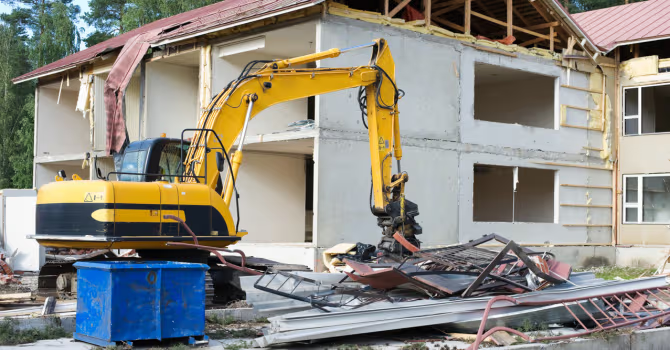
Demolishing a house isn’t just about breaking walls and clearing debris. It’s a precision job where the wrong decision can multiply costs fast. Most homeowners start with one big question: what will it actually cost to bring down a house safely?
Let’s break down the major pricing factors so you know what’s driving the quote you receive — and how to make smart choices that protect both your property and your budget.
Why demolishing a house costs more than people expect
Demolition is regulated, strategic and heavily customized to each property. Crews need to control dust, prevent structure collapse in unintended directions and manage materials properly. That’s before we even talk about permits or environmental checks. You’re not paying for a quick teardown — you’re paying for expertise, planning and risk prevention.
Plenty of Toronto-area homeowners start researching pricing after reading about the importance of safe and reliable house demolition, and that’s where cost clarity becomes essential.
The size and structure of the home set the baseline
Square footage is the first line item. A 1,200 sq. ft. bungalow is a completely different project than a 3,000 sq. ft. multi-level house. Larger homes have:
- More roofing and exterior walls to dismantle
- Additional flooring layers and framing
- Greater debris volumes
- Longer labour hours
- Higher disposal and transport costs
Structural makeup matters too. Brick, stucco and concrete demand more labour and machinery than timber framing. If there’s a basement or attached garage, that extends the scope again.
Material handling and landfill fees can shift the final number
Demolition doesn’t end when the house hits the ground. Every material must be hauled away, sorted and processed responsibly. Some materials cost more to discard:
- Concrete and masonry
- Asphalt roofing
- Old appliances
- Large timber beams
- Metal and wiring bundles
Recycling requirements vary by municipality, but it’s worth noting that diverting waste from landfills may help reduce final disposal fees. Homeowners shouldn’t overlook transportation distances — longer hauls often equal higher bills.
What’s hiding inside the walls: hazardous materials
If your home was built before the 1990s, prepare for possible extra testing. Common risks include:
- Asbestos in insulation, tiles or ducts
- Lead paint
- Contaminated drywall or adhesives
- Mould from water damage
Licensed remediation specialists must remove these before demolition begins. The removal process adds cost, time and strict disposal rules. This isn’t optional. It’s about safety and working within Canadian environmental regulations.
Local permits and compliance are part of every budget
You can’t remove a structure without approvals. Municipalities often require:
- Demolition permits
- Utility disconnect authorization
- Environmental clearance
- Site inspections
These fees vary city to city. Delays can occur if utilities like gas or electrical aren’t shut down properly in advance. When scheduling tightens, costs rise.
Access to the property affects equipment and handling
If machinery can’t reach the building easily, the job becomes far more complex. Narrow city lots, shared laneways and steep slopes are common challenges. Crews may need:
- Smaller or multiple machines
- Manual teardown in tight areas
- Temporary site modifications
All of that slows productivity and raises labour hours.
Add-ons: are you removing just the home or the foundation too?
Many quotes initially focus on the above-ground structure, but most projects require dealing with:
- Basement foundations
- Footings and retaining walls
- Old utilities and plumbing pipes
- Driveway slabs and patios
If you plan to rebuild, the ground must be graded and cleared to code. That additional excavation and backfill work shows up in final pricing.
Timelines and urgency influence labour costs
Rushed schedules build risk. Crews may need to work overtime or bring in extra equipment to meet tight deadlines. Short-notice utility disconnects and permit approvals aren’t always possible. Allowing a reasonable timeline gives you more control over cost.
The contractor’s experience is part of the investment
You’re not just hiring equipment. You’re paying for:
- Risk management
- Site planning
- Safe teardown strategy
- Waste compliance
- Insurance coverage
- A team that can adapt to surprises
Choosing the lowest bid often means cutting corners somewhere. Mistakes in demolition can be catastrophic and extremely expensive to fix.
So how do you keep your demolition quote fair?
A few smart moves help keep costs predictable:
- Get a full, line-item estimate (no vague lump sums)
- Request information on disposal, recycling and hazardous testing
- Confirm what’s included: foundation removal, grading, permits, utility coordination
- Share all property details upfront — especially older home risks
- Plan early so you don’t get hit with urgency premiums
What this really means is that an informed homeowner is less likely to encounter surprise charges.
Ready to estimate your teardown costs?
The more you understand the pricing structure, the easier it becomes to budget for your rebuild or redevelopment. Demolition isn’t just a step on the way to something new — it’s the foundation for everything that comes next. When safety, compliance and environmental responsibility lead the way, you get peace of mind along with a clean slate.



