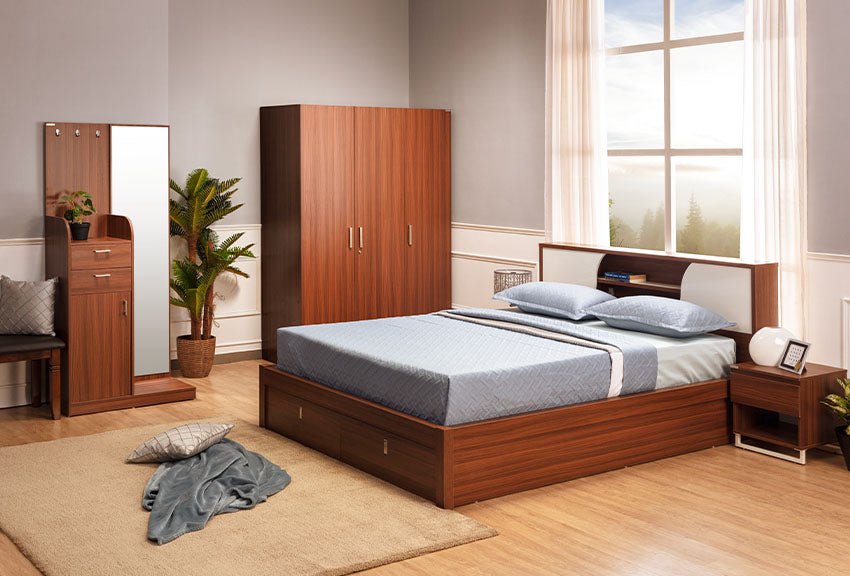
The bedroom is your personal sanctuary, and the bedside cabinet (often referred to as a night stand) is its essential anchor. Far from being a simple spot for a lamp and a glass of water, this crucial piece of furniture carries the heavy burden of managing nighttime clutter, defining the room’s aesthetic, and providing essential, convenient storage. The right choice is pivotal for achieving a modernized, serene, and functional space, while the wrong one can disrupt tranquility and magnify visual noise.
At Harunamu, our expertise in high-quality, specialized furniture—from elegant solid night stand designs to seamless storage solutions—gives us unique insight into selecting the perfect piece. We understand that modernization is not just about aesthetics; it’s about choosing a night stand that balances compact size with maximized, discreet storage, ensuring the longevity and peacefulness your sanctuary deserves.
1. The Foundation of Quality: Why a Solid Night Stand is Non-Negotiable
When seeking a bedside cabinet that will modernize your space, the material choice is the first and most critical decision. Cheap alternatives often utilize veneer or particleboard, which quickly show wear, chip, and absorb moisture—negating the long-term value.
A. The Enduring Value of the Solid Night Stand
- Longevity and Durability: A solid night stand built from quality hardwoods (like Oak, Ash, or Teak) offers unmatched structural integrity. This is crucial in the bedroom, where the surface is constantly subject to weight, heat (from charging devices), and spills. Solid wood resists warping and swelling better than composite materials.
- Aesthetic Renewal: The true value of a solid night stand lies in its restorability. Surface scratches, dents, or marks can be sanded down and refinished multiple times, restoring the piece to its original beauty. A veneer cabinet, conversely, is disposable once the surface is chipped, forcing costly replacement.
B. The Modern Material Choice: Wood and Texture
Modernization often means introducing texture and natural warmth. Look for solid night stand designs that utilize:
- Natural Wood Tones: Light Oak or Ash for a minimalist, airy feel.
- Subtle Textures: Elements like woven rattan or cane on drawer fronts (a signature of the Japandi aesthetic) add warmth and visual interest without creating clutter.
2. Aesthetics & Flow: Modern Styles That Maximize Space
The structure of the bedside cabinet itself dictates the room’s sense of space and flow. Choosing the right style is essential for achieving a contemporary, uncluttered look.
A. Floating (Wall-Mounted) Bedside Cabinet
- Aesthetic Profile: This style attaches directly to the wall, leaving the floor area beneath clear. It features sharp, minimalist lines and often consists of simple drawers or a recess.
- Why It Modernizes: Floating units visually expand the room by exposing more floor space, creating an instant feeling of lightness and openness—a key characteristic of contemporary and minimalist design. They are the signature look for maximizing space in small bedrooms.
- Best For: Small, urban apartments, and achieving a seamless, hotel-like aesthetic.
B. Freestanding on Legs (Scandinavian/Japandi)
- Aesthetic Profile: Traditional floor-standing units, but modernized by replacing bulky plinths with slender, tapered legs. The legs elevate the unit, preventing it from looking heavy or dominating the space.
- Why It Modernizes: The lifted profile allows light to pass underneath and simplifies cleaning, maintaining an airy, sophisticated Scandi or Japandi feel.
- Best For: Bedrooms prioritizing a soft, natural warmth and slightly more internal storage capacity.
3. The Functional Mandate: Beyond Surface Area
A quality bedside cabinet must serve as an organizational powerhouse, eliminating the clutter that science shows affects sleep quality.
A. Prioritizing Concealed Storage
The biggest enemy of bedroom serenity is visible clutter (books, charging cables, remotes).
- The Drawer Rule: Always prioritize a bedside cabinet with two drawers (or more) over open shelving. Drawers are essential for discreetly managing personal items. A shallow top drawer is ideal for small essentials (remotes, glasses), while a deeper bottom drawer can house books and lotions.
- The Power of Concealment: The Japandi cabinet style, for example, heavily emphasizes concealed storage (seamless doors, hidden drawer pulls) to achieve that signature look of tranquility.
B. Height and Ergonomics (The Night Stand Comfort Check)
The height of your night stand is an important ergonomic factor that dictates comfort and flow.
- Alignment Rule: Your bedside cabinet surface should align with the top of your mattress, or be within two inches of that height.
- Why It Matters: According to principles of basic ergonomics, this alignment minimizes strain when reaching for items. A cabinet that is too low forces you to strain your back, while one that is too high looks awkward and increases the likelihood of knocking items over. Measure your mattress height and shop accordingly.
C. Integrating Technology Seamlessly
Modernizing the bedside cabinet means managing cable clutter:
- Cable Ports: Look for solid night stand designs that include discreet cable management holes drilled into the back or floor of the unit. This allows charging cables to pass through neatly, letting your devices charge inside the drawer or cabinet, keeping the top surface beautifully clear.
4. The Expert View: Psychology, Style, and the Bedside Cabinet
Choosing the right bedside cabinet is an act of design intentionality that impacts well-being.
A. The Stress of Clutter and Organization
Research in environmental psychology, including studies often cited by institutions like Princeton University’s Neuroscience Institute, consistently confirms that physical clutter in one’s environment contributes directly to visual distraction and elevated stress levels. The night stand, being the last thing you see before sleeping and the first thing you see upon waking, plays a massive role in setting your mental state. A highly functional, organized bedside cabinet is, therefore, a tool for emotional well-being and improved sleep hygiene.
B. Scale and Proportion
As experts in furniture design, we stress that scale is everything. When choosing a bedside cabinet, ensure its width and depth are proportionate to your bed size. A tiny cabinet next to a King bed looks dwarfed, while an oversized one next to a Single bed overwhelms the space. If space is tight, a narrow, vertical cabinet is often better than a wide, shallow one, as it uses height to maximize storage while maintaining a small footprint.
Conclusion: Investing in Bedroom Serenity
Choosing a modern bedside cabinet is a strategic investment in organization, aesthetic appeal, and emotional health. By prioritizing the durability of a solid night stand, ensuring its height aligns perfectly with your mattress, and selecting a style (like the Japandi-inspired, leggy, or floating cabinet) that supports concealed storage, you transform your bedroom.
Your bedside cabinet should be a quiet, functional anchor of your sanctuary. Let your choice reflect both the Harunamu commitment to enduring quality and your personal desire for a modernized, tranquil, and perfectly organized space.



