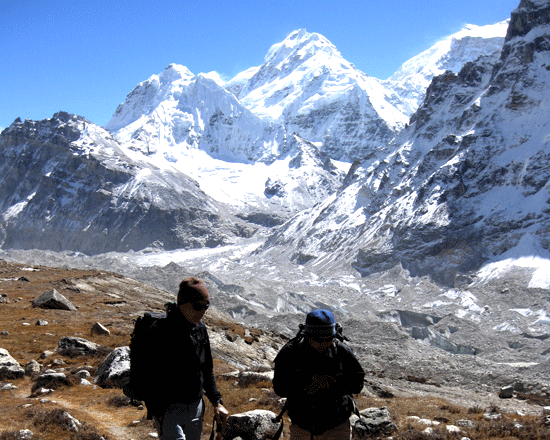
The Kanchenjunga region always feels like some big mysterious place where mountains talk slowly and winds sing in a quiet way. This whole area sits far in east Nepal, where everything looks wild and feels wild, and trekking here is not easy but gives huge rewards to the heart and mind. Many trekkers come here because they want some path not crowded and want to see nature in person with big calm villages and friendly people who smile even when the sky becomes cloudy. So Kanchenjunga Trek, Kanchenjunga South Base Camp Trek, and Kanchenjunga North Base Camp Trek make a big triangle of adventure, each side giving new color, new air, and new dreams.
Introduction to Kanchenjunga Trek
The Kanchenjunga Trek always calls people who want a long walk in a big mountain world. The trail takes you slowly from lower hills to high glaciers, passing jungle, bamboo forest, and big valleys that feel like nature storybooks. Everywhere you go, mountains look huge and shining, and local Sherpa, Limbu, and Rai cultures mix in colorful ways. The trek is long but beautiful, and because not many people walk here, you get silence that feels special. The Kanchenjunga region is where Kanchenjunga Mountain, the third highest mountain in the world, stands. People call it “Five Treasures of Snow,” and when the sun touches its peaks, the whole horizon becomes glowing gold like some dream painting. So trekking here is not just walking; it is more like connecting with some ancient mountain soul.
Why the Kanchenjunga Trek Feels So Different
When trekkers come from Annapurna or Everest, they always say Kanchenjunga feels different because trails are more raw, more quiet, and more untouched. Villages are small, houses simple, food local, and hospitality very warm. You feel like you are stepping into older Nepal, where people still follow nature, timing and life going slow.
The wildlife is also amazing here. You can maybe see snow leopards if you are lucky and red pandas sometimes hiding in bamboo. Birds sing in thick forests, giving a nice sound all day long. It all makes Kanchenjunga very special.
The Long Route Feeling
The Kanchenjunga Trek usually takes around 21 to 25 days depending on walking speed. The trail starts from the Taplejung or Suketar side. First days go through farmland where people grow millet, corn, and rice. After that, slowly enter the forest zone. Then trails take you into high valleys where mountains fill the sky. Many ups and downs, but all flow very nicely.
On treks, teahouses are simple, not fancy like Everest or Annapurna, but warm and basic. You feel close to mountains and close to people because the lifestyle is natural and quiet.
KANCHENJUNGA SOUTH BASE CAMP TREK
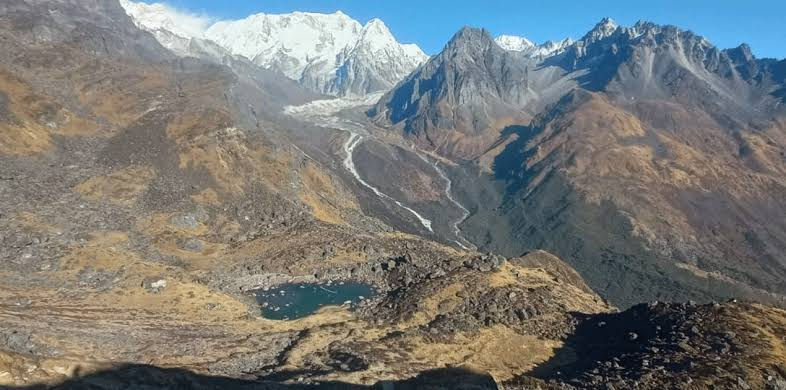
The Kanchenjunga South Base Camp Trek is one of the most beautiful parts of the whole region because it shows you the big south face of Kanchenjunga, which looks strong but beautiful. Many trekkers say the south camp trail feels more cultural because it passes many remote Limbu and Rai villages.
Beginning of the South Route
South base camp trail normally starts from places like the Taplejung or Phidim area. After driving a long road, the trek begins slowly and gently. First days pass through Kabeli Khola, a big river giving a nice sound while walking. The villages like Khesewa, Mamangkhe, and Yamphudin are very friendly, with people working in farms and smiling at trekkers.
You walk through a dense forest full of orchids, rhododendrons, and bamboo. When spring comes, the whole forest turns pink and red because rhododendrons are blooming everywhere. It gives a magical feel.
Middle Trail Towards Tortong and Cheram
After the forest, the path becomes steeper and colder. You reach Tortong, which sits near a river, surrounded by deep green cliffs. Then climb up to Cheram, a big open valley where mountains appear very close. Here you start feeling the high altitude; the air is a little thin but the cold breeze is refreshing.
The view keeps getting bigger. Peaks like Rathong and Kabru show strong shapes, and glaciers move slowly like ancient white rivers sleeping in valleys.
Reaching Kanchenjunga South Base Camp
From Cheram you hike toward Yalung Base Camp, also called Kanchenjunga South Base Camp. This area is full of ice, glacier tongues, and big rocky landscapes. When you reach the south base camp, the Kanchenjunga south face stands directly in front like a huge snow wall touching the sky. The air is so quiet that it almost feels sacred. People say here you feel small but peaceful. Many trekkers sit for a long time watching sunlight move across peaks, changing color from silver to gold to orange. It’s a moment you never forget.
Why the South Base Camp Trek Is Very Special
The south base camp area offers peaceful places to rest, take photos, and just enjoy silence. The trail feels remote and untouched—no crowds, no noise, only mountain spirit. Culture is also very strong on this side, with many old monasteries and village traditions.
KANCHENJUNGA NORTH BASE CAMP TREK
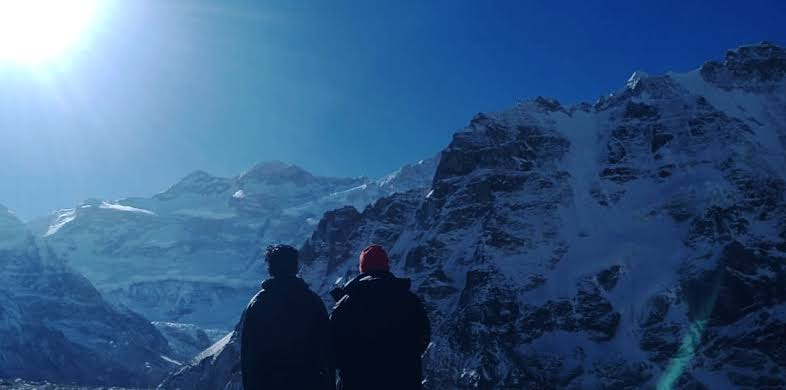
The Kanchenjunga North Base Camp Trek is taken by trekkers who want more dramatic mountain views and long high valleys. This route is slightly harder but breathtaking.
Walking Up the Ghunsa Valley
Most trekkers start on the north trail from the Ghunsa side. Ghunsa village is famous in the region, very beautiful, and full of wooden houses, prayer flags, and nice people. The trail from Gyabla to Ghunsa goes through forests, rivers, and high cliffs. When entering Ghunsa, you feel like you reach a special place where mountain culture is alive. People in Ghunsa are mainly Tibetan-influenced, with monasteries and prayer walls all around. It gives a peaceful feeling.
Towards Khambachen and Higher Valleys
From Ghunsa, the trail goes higher to Khambachen. This place is open wide with a huge mountain standing around like a guardian. Jannu Peak especially looks very powerful and some trekkers call it “Killer Mountain” because of its steep face. But the view is extremely beautiful. Walking to Lhonak the next day became more dramatic. The valley becomes wide, the wind stronger, and you feel very close to Himalayan giants. Lhonak is very cold but the view is excellent.
Reaching Kanchenjunga North Base Camp (Pangpema)
From Lhonak you hike to Pangpema, which is Kanchenjunga North Base Camp. This is one of the most stunning spots in the Himalaya because the Kanchenjunga North Face rises straight above the glacier like a giant palace of snow. You see long glaciers, ice ridges, and huge towers of rock and white snow.
Trekkers usually spend a long time here taking deep breaths because the scenery feels unreal. This base camp gives the best full view of Kanchenjunga’s main summit.
Why North Base Camp Feels Special
North base camp gives a huge panoramic view, maybe the best of the whole region. The trails also feel wild and make you feel real adventure, because the route is remote and close to the high mountain world. Views nonstop everywhere.
Combining South and North Base Camp Treks
Many trekkers do both South and North Base Camp together, making a long Kanchenjunga Circuit. This became one of the toughest and most rewarding treks in Nepal. Moving from the south valley to the north valley feels like crossing two different worlds. Terrain, villages, and climate—all change slowly and beautifully. The section between Cheram (south side) and Ghunsa (north side) is especially interesting because of crossing high passes like Sele La and Sinion La. Views from these passes are unbelievable, giving you a long look across deep valleys and tall peaks.
A full Kanchenjunga Circuit Trek takes around 22–26 days depending on pace. But people say every day feels worth it because the scenery never stops surprising.
Best Time for Kanchenjunga Treks
Best time to trek in Kanchenjunga is:
Spring (March–May)
- Forests full of rhododendron
- Weather clear
- Good temperature at lower altitudes
- Mountains look sharp.
Autumn (September–November)
- Best visibility
- Stable weather
- Perfect sky for photography
- Less rain
Winter and monsoon are not recommended because trails become slippery and risky, and some tea houses close.
Difficulty Level
The Kanchenjunga Trek is not easy and requires good fitness. Treks are long, sometimes 7–8 hours of walking, and altitudes go above 5000m. Trails are remote and facilities are limited. So I need strong physical condition and mental motivation. But for trekkers who love real mountain adventure, this is the perfect place.
Culture and People
The Kanchenjunga region is full of ethnic diversity. Limbu people are famous in lower villages. They have warm hospitality and rich traditions. Rai people also live here with their own language and customs. Higher up live Sherpa and Tibetan-influenced communities with monasteries, prayer flags, and Buddhist culture. Every village feels different. Food is local and simple but delicious. People always welcome trekkers with a smile.
Accommodation and Food
Tea houses are basic but comfortable. Rooms are simple with wooden walls and shared toilets. Food mainly consists of dal bhat, noodles, potatoes, chapati, vegetables, and eggs. Because everything is transported by mule or porter, the menu is smaller than in other regions but warm and fresh.
What Makes the Kanchenjunga Region So Unique?
- Very remote
- Not crowded
- Strong culture
- Big mountains just in front
- Wildlife-rich
- Trail raw and natural
This region gives a real Himalayan feeling without commercial noise.
Conclusion
The Kanchenjunga Trek, Kanchenjunga South Base Camp Trek, and Kanchenjunga North Base Camp Trek all give different tastes of the same powerful mountain world. The south route gives forest beauty, cultural villages, and a close view of the south face. The northern route gives a dramatic high valley and stunning north face scenery. Doing both gives a complete full-circle adventure.
The flow comes smoothly because Kanchenjunga itself is a story that flows naturally in the heart. Whoever walks here comes back saying the same thing: this trek changes their mind, opens their spirits, and gives them a new dream of mountains.



