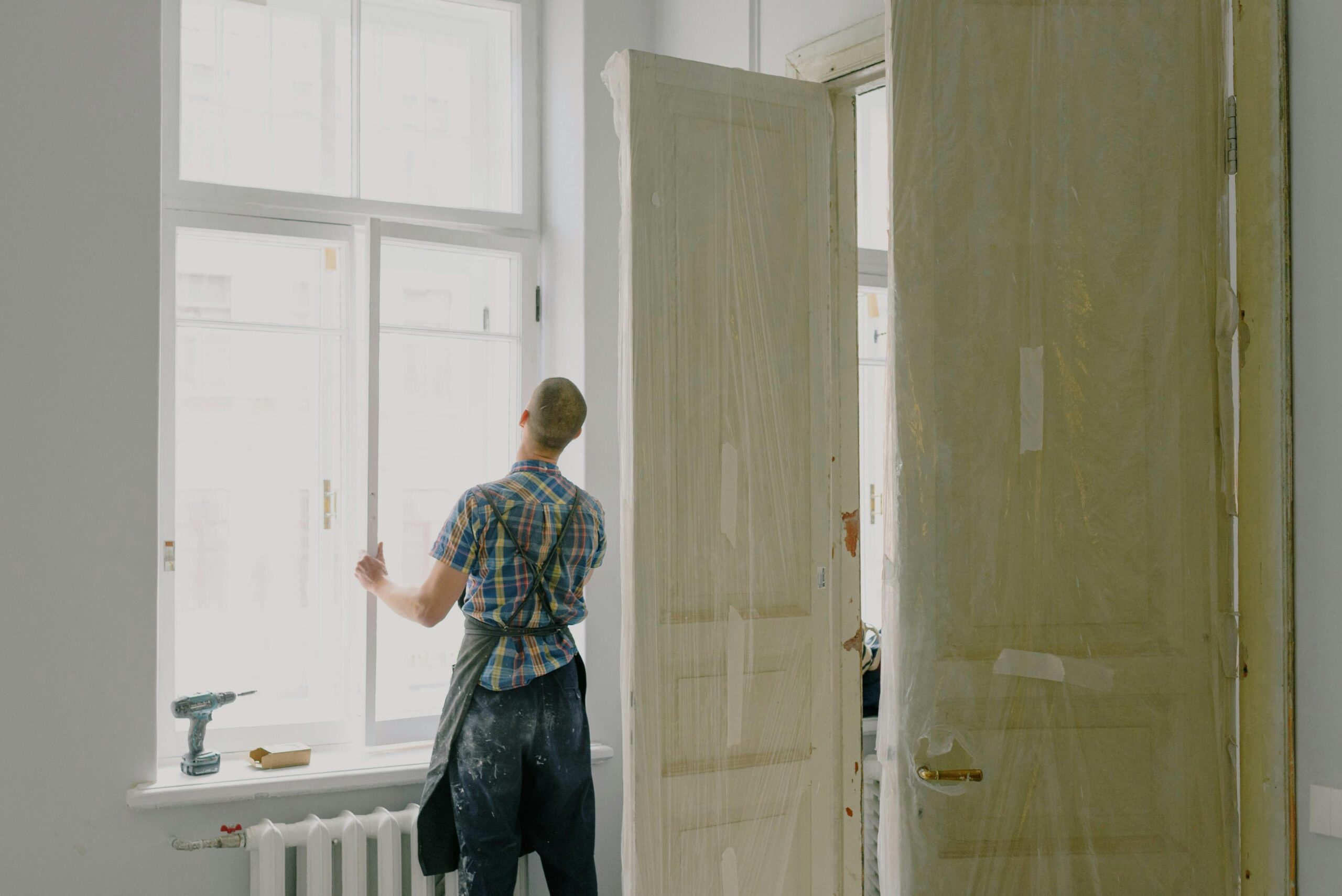
Ever stare at a wall in your house and think, “This could use some work,” but then scroll past it like it’s someone else’s problem? You’re not alone. Home improvement often lingers at the bottom of the to-do list—too big to tackle casually, too easy to ignore entirely.
In this blog, we will share how to approach home improvement with clarity, strategy, and a little perspective.
Know What You’re Actually Fixing
Most people assume home improvement starts with a trip to the hardware store or a late-night Pinterest scroll. In reality, it starts with figuring out what’s actually wrong—and why it matters. Sometimes the issue is visible, like peeling paint or a leaking faucet. Other times, it’s discomfort: a room that’s always too cold, a kitchen that feels cramped, or lighting that somehow makes everyone look like they’re in a mugshot.
But lately, something else is shaping the way people look at their homes: time spent indoors. The work-from-home shift, rising utility costs, and even extreme weather patterns have pushed more homeowners to ask, “How do I make this place work better?” Not look better. Not impress guests. Just function better.
This is where the practical side of upgrades comes into focus. Instead of redoing a room for the sake of aesthetics, homeowners are prioritizing performance. Climate control, air quality, soundproofing—these used to be afterthoughts. Now they’re front and center. That shift in mindset makes it the perfect timing for a whole home comfort system installation. With systems designed to balance temperature, filter air, and cut energy waste, the benefit isn’t just comfort—it’s long-term savings and peace of mind. And unlike cosmetic updates, it’s an improvement you feel every day, not just when the in-laws visit.
Start Small, But Think Long
One of the biggest traps in home improvement is chasing short-term wins while ignoring long-term needs. People rip out perfectly good cabinets because they’re dated but live with drafty windows for five years. They build backyard firepits before fixing the slope that sends rainwater toward the basement. A smart approach flips that script.
Start with the systems that keep your home functional: HVAC, insulation, plumbing, electrical. If those are solid, move on to structure and layout. Can people move around comfortably? Is storage doing its job? Is there enough light where you actually work or cook or read?
Once those essentials are handled, then style comes into play. It’s easier to pick flooring or paint when you’re not worried about pipes freezing or outlets sparking. And by thinking long, you cut down on doing the same project twice—like replacing tile you just installed because you didn’t address a foundation issue first.
There’s nothing wrong with quick wins, but they should sit on top of a solid core. Without that, you’re just decorating a problem.
Budget Like a Cynic, Plan Like an Optimist
The cost of materials has gone up. Labor is scarce in some regions. Timelines stretch, and availability of basic supplies still hasn’t fully returned to pre-2020 normal. That’s the new backdrop for home projects, and pretending otherwise just leads to frustration.
The best way to stay sane is to assume that every project will cost 10 to 20 percent more than planned and take at least a week longer than the contractor promises. Build those cushions into your plan, not as a safety net, but as part of the design. It’s not pessimism. It’s preparation.
But once you’ve budgeted with a cold eye, plan your space with freedom. Think about how it could work better, not just how it looked in a showroom. Want to tear down a wall to let more light in? Great. Want to build a reading nook under the stairs? Do it. Just make sure you’ve got a power outlet there before you bring in the lamp and books.
Improving your home is both financial and emotional. It’s part calculation, part vision. Holding those two ideas at once is the difference between a stressful project and a satisfying one.
Respect the Messy Middle
Every home project has a point where things look worse than when you started. Drywall dust covers everything. Tools sit untouched for days. A misordered part delays progress. That’s the messy middle, and it’s where most people start second-guessing their decisions.
There’s no fast way through it. What helps is accepting that discomfort is part of the process. Keep a spare room or corner clean so you have one peaceful space. Keep your routines as normal as possible. And stay on top of updates. If a contractor says they’ll check something “tomorrow,” ask what time. If your materials are delayed, ask for the new ETA in writing.
During the messy middle, clear communication beats perfect execution. Things will go wrong. The question is how quickly they get fixed—and whether the fixes make things better or just quieter.
Trends Are Not a Strategy
Social media feeds are full of trendy upgrades—statement walls, micro cement showers, curved archways, matte black everything. While these can look good, they’re not a reason to start a project. A design trend should serve your life, not replace it.
The smarter move is to design for how you live now and how you expect to live in five years. If your family’s growing, skip the boutique guest room and create more flexible space. If you’re working from home, put real thought into sound control, lighting, and airflow. And if you’re aging in place, think about reach, grip, and clearance—not just finishes.
There’s a difference between being inspired and being distracted. If a trend works for your life, great. If not, leave it in the scroll.
Your Home Is Not a Showroom
One trap people fall into is aiming for perfection instead of practicality. The “after” photos online can create unrealistic pressure—no clutter, no wires, no signs that actual humans live there. But real homes aren’t staged. They’re lived in, and that means wear, noise, compromise.
The goal of home improvement isn’t to impress strangers. It’s to create a space that helps you live better, feel better, and function more easily. A scratch on the new countertop doesn’t ruin that. A scuffed wall doesn’t cancel the benefits of better insulation. The real win is when your home works harder for you, not just looks better for others.
Home improvement doesn’t have to be overwhelming, but it does need to be honest. Honest about what’s wrong. Honest about what you can afford. Honest about what actually makes life easier. The rest—colors, styles, clever storage hacks—that’s just the finishing layer.
When done right, improving a home isn’t about reaching some glossy ideal. It’s about reclaiming space, solving real problems, and making room for the life you actually live—not just the one you imagine when flipping through catalogs.



