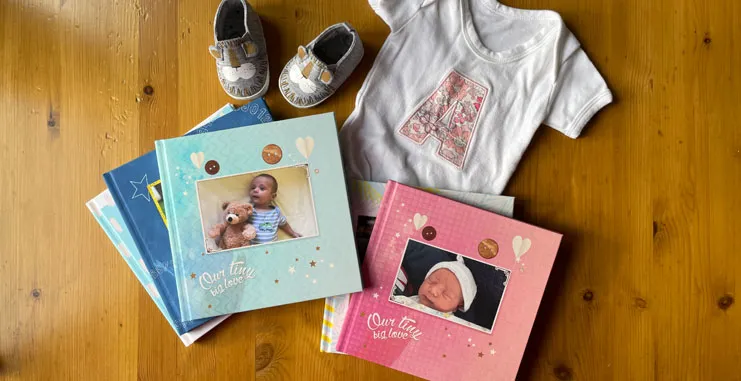
Childhood passes quickly, filled with milestones, laughter, and unforgettable firsts that parents wish they could hold onto forever. From a baby’s first smile to a child’s first day at school, every moment tells a story worth remembering. Two meaningful ways families preserve these memories are through a children’s memory book and children’s photography. When thoughtfully combined, they create a beautiful record of a child’s early years, capturing both the emotions and the visual moments that define growing up.
The Importance of Preserving Childhood Memories
Parents often find that time moves faster than expected as children grow and change. Capturing memories allows families to revisit special moments and reflect on how much their child has developed over the years. Documenting milestones not only creates keepsakes but also strengthens family bonds by celebrating shared experiences.
A combination of written memories and photographs helps tell a complete story—one that includes feelings, stories, and visual details that might otherwise fade with time.
What Is a Children’s Memory Book?
A children’s memory book is a dedicated place where parents record important milestones, stories, and reflections about their child’s life. It may include sections for birth details, first words, first steps, favorite activities, school achievements, and family traditions. Some families also add letters to their child, sharing hopes, dreams, and messages of love.
Memory books can be personalized to reflect the family’s unique journey. They may include drawings, notes from teachers, small mementos, or descriptions of memorable events. Over time, the book becomes a treasured family heirloom that captures the essence of childhood.
The Role of Children’s Photography
Children’s photography plays a vital role in preserving visual memories. Professional or candid photos capture expressions, personalities, and moments that words alone cannot fully describe. From newborn portraits to playful outdoor sessions, photographs freeze time and allow parents to relive meaningful stages of their child’s growth.
Photography also highlights the individuality of each child. Whether capturing curiosity, joy, or quiet moments, images reveal personality traits that become even more meaningful as children grow older.
Stitching Together Words and Images
Combining a children’s memory book with photography creates a richer and more meaningful record. Parents can include printed photos alongside written reflections, telling the story behind each image. For example, a photograph of a child’s first birthday can be paired with notes about the celebration, who attended, and how the child reacted.
This integration transforms a simple album into a narrative that captures both what happened and how it felt. It allows families to document everyday moments as well as major milestones, creating a complete picture of childhood.
Benefits of Combining Both Approaches
One of the greatest advantages of stitching together a memory book and photography is the ability to create a multi-dimensional keepsake. The written entries preserve thoughts and emotions, while photographs capture expressions and environments.
Another benefit is the opportunity for children to explore their own history as they grow older. Looking through a memory book filled with photos and stories can boost a child’s sense of identity and belonging. It helps them understand their journey and the love that surrounded their upbringing.
Additionally, these keepsakes can become cherished family traditions, passed down through generations and shared during special occasions.
Tips for Creating a Meaningful Memory Collection
Parents can start by setting aside time regularly to update the memory book and organize photos. Keeping entries simple and authentic makes the process enjoyable and sustainable. Including candid moments, funny stories, and small achievements adds depth and personality.
It can also be helpful to involve children as they grow older by inviting them to add drawings, write notes, or choose favorite photos. This participation makes the memory book even more special and interactive.
Celebrating Everyday Moments
While major milestones are important, everyday moments often hold the most meaning. Documenting family routines, favorite games, or simple joys like baking together helps capture the essence of childhood. These small details create a heartfelt record that reflects the child’s personality and family life.
Photography paired with thoughtful writing ensures that even ordinary days are remembered as part of a larger story.
Conclusion
Children’s memory books and children’s photography together provide a powerful way to preserve the magic of childhood. By stitching together written reflections and meaningful images, families can create a lasting tribute to the moments that shape their child’s early years. These keepsakes not only celebrate growth and milestones but also strengthen emotional connections and provide a treasure that can be revisited for years to come.



