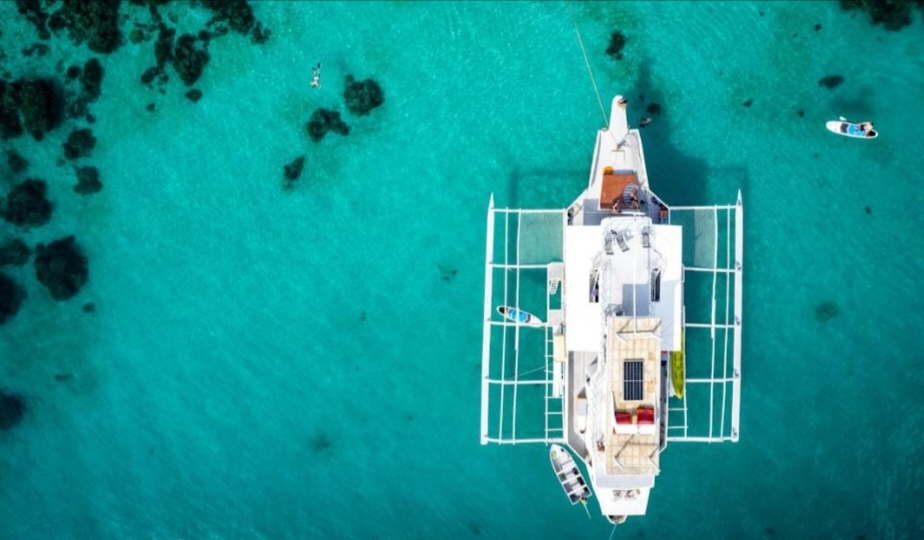
 The landscape of coastal tourism has undergone a significant transformation, moving away from standardized group tours towards more intimate, personalized marine experiences. This shift is largely driven by a desire for exclusivity, flexibility, and a deeper connection with the environment. Boutique charter services and innovative peer-to-peer marketplaces have emerged, making it easier than ever for individuals and groups to access private yachts. These platforms connect travelers directly with yacht owners and operators, offering a wide array of vessels and experiences tailored to specific preferences.
The allure of personalized journeys, especially in breathtaking locales, is undeniable. In regions like the Florida Keys yacht rentals market has become synonymous with bespoke travel, allowing visitors to craft their ideal itinerary with the guidance of local experts. Digital booking platforms simplify the process, enabling users to browse various yacht types, compare amenities, and customize their adventures from the comfort of their homes. This evolution ensures that each marine charter is not just a trip, but a uniquely curated experience.
Beyond convenience, personalization also reflects changing traveler expectations. Many guests now prioritize experiences over checklists—think sunset sandbar stops, wildlife viewing, or a quiet anchorage for a special celebration—rather than simply “seeing the sights.” Private charters make that possible by allowing flexible departure times, custom routes based on weather and sea state, and activity-focused planning such as snorkeling, paddleboarding, or offshore fishing. Even small details like music preferences, beverage selections, and pacing (cruise fast vs. linger) can be tailored when you’re not tied to a fixed schedule.
Personalized chartering has also become more accessible thanks to clearer menus of inclusions and add-ons. Instead of a one-size-fits-all package, guests can often choose from:
- Activity packages (snorkel sets, floating mats, paddleboards, fishing tackle)
- Food and beverage options (bring-your-own provisions vs. catered spreads)
- Celebration upgrades (birthday setups, proposals, anniversary cruises)
- Trip styles (half-day reef time, full-day island hopping, multi-day overnights)
These options help align the trip with the group’s comfort level and priorities—especially important in destinations where conditions can change quickly and where local knowledge meaningfully improves both safety and enjoyment.
Understanding the Costs of Marine Charter Operations
When considering a private yacht rental in Key West, understanding the cost structure is crucial for planning your perfect getaway. The pricing for marine charters can vary significantly based on factors such as the type and size of the yacht, the rental duration, and the level of service desired.
Generally, we observe that the average starting price to charter a yacht in Key West is around $ 1,100 per day. However, options are available to suit a range of budgets, with more affordable rentals starting from approximately $250. For those seeking the ultimate luxury experience, high-end charters can cost up to $6500 per day, often including a comprehensive suite of amenities and services.
Charters are typically offered in various durations to accommodate different plans. You can opt for a half-day excursion, a full-day adventure, or even multi-day trips that allow for more extensive exploration of the Keys and beyond. Seasonal fluctuations also affect pricing, with peak tourist seasons often resulting in higher rates due to increased demand. It’s always advisable to inquire about all-inclusive pricing versus additional costs for fuel, crew gratuity, or specialized catering when making your booking. For a deeper dive into the financial aspects, exploring various pricing models can provide valuable insights into managing your budget for a luxury experience.
To plan accurately, it helps to understand what you are actually paying for and what line items may be separate. While every operator structures quotes differently, typical cost drivers include:
- Vessel class and length: Larger motor yachts usually command higher day rates due to increased maintenance, docking fees, and fuel burn. Sailboats may have lower fuel costs but can still be premium-priced if they are newer, crewed, or outfitted with luxury finishes.
- Crew requirements: A captained charter often includes the captain in the base rate, but additional crew (mate, steward/host, chef) may be included only on certain packages or larger vessels.
- Fuel policy: Some day charters include a local cruising allowance; others bill fuel separately based on engine hours or actual consumption. If you plan to run offshore, travel long distances, or use high-speed cruising, fuel can be a meaningful variable.
- Dockage and marina fees: Picking up or dropping off at premium marinas, or overnighting on multi-day itineraries, can add costs depending on location and availability.
- Cleaning and service fees: Some listings include cleaning; others treat it as a separate post-trip fee, particularly for bareboat rentals.
- Taxes and permits: Depending on the charter structure and local rules, taxes or operational fees may be added to the advertised rate.
- Gratuity: For crewed charters, a gratuity is customary if service meets expectations. It’s best to ask what is typical in advance so you can budget without surprises.
Practical budgeting tip: when comparing options, ask for an “out-the-door” estimate that lists the base rate, expected fuel, fees, and tax, so you can compare like-for-like. It also helps to specify your planned itinerary (reef, sandbar, sunset, Dry Tortugas direction, etc.) so the operator can anticipate realistic fuel and time needs.
Regulatory Standards for Marine Charter Operations
Ensuring safety and compliance is paramount in the private marine charter industry. In the United States, yacht rentals operate under strict regulations set forth by the U.S. Coast Guard (USCG). These regulations are designed to protect both passengers and crew, ensuring a safe and enjoyable experience on the water.
A key regulation to be aware of is the guest capacity limit. Most boats available for private charter, especially those operating commercially, have a maximum capacity of 13 guests, not including the captain and crew. This limit applies regardless of the vessel’s physical size and is crucial to maintaining safety standards.
Charters typically fall into two main categories: captained (or crewed) and bareboat.
- Captained Charters: These rentals include a professional captain and often additional crew members (such as a first mate or stewardess). This is the most popular option for those who want to relax and enjoy their time on the water without the responsibility of navigation or vessel operation. The crew handles all aspects of sailing, safety, and service.
- Bareboat Charters: For experienced mariners, bareboat options are available, allowing you to rent a yacht and operate it yourself. However, these come with stringent requirements. Renters must possess appropriate sailing certifications or demonstrate extensive boating experience. We often see requirements for rentals, such as a valid credit card and picture ID. Furthermore, renters born on or after January 1, 1988, are typically required to pass a Boater’s Safety Test before check-in, which can often be completed online to ensure familiarity with local boating laws and safety protocols. These regulations are in place to ensure that bareboat operators have the necessary skills to navigate the unique waters of the Florida Keys safely.
In practice, the “captained vs. bareboat” distinction also affects what you can and cannot do during the trip. For example, itinerary decisions (routes, anchorages, weather calls) ultimately rest with the captain on a crewed charter, because the captain is responsible for passenger safety and the vessel. If conditions deteriorate—high winds, storms, poor visibility—the captain may adjust plans, shorten a run, or select a more protected area. This is normal and is part of professional risk management.
Other operational standards commonly encountered on legitimate charters include:
- Safety briefings before departure: Location of life jackets, emergency procedures, and basic onboard rules.
- Required equipment checks: Fire extinguishers, signaling devices, navigation lights, and communication equipment must be present and serviceable.
- Passenger manifesting: Names and counts are typically confirmed before leaving the dock.
- Local environmental rules: No-anchoring zones, reef protection areas, and wildlife viewing guidelines may restrict where a vessel can stop and what activities are allowed.
Insurance requirements are also a critical component of regulatory standards. Reputable charter companies and platforms ensure that vessels are adequately insured, and it’s always wise for renters to understand the scope of coverage. For those considering a bareboat charter, verifying your own insurance or purchasing additional coverage is often recommended. Adhering to these standards ensures that your time on the water is not only memorable but also secure.
Finally, clear communication is part of compliance and guest satisfaction. Before booking, it’s reasonable to ask for confirmation of what’s included (captain, crew, fuel policy, water toys, ice, towels), cancellation or weather rescheduling options, and any guest responsibilities (arriving early, footwear rules, IDs, handling of provisions). A reputable operator will be comfortable answering these questions and documenting terms in writing.
Navigating the Key West Yachting Landscape
Key West’s unique geographical position, nestled between the Gulf of Mexico and the Atlantic Ocean, creates a diverse and dynamic environment for yachting. The types of yachts and boats available for rent cater to every preference, from exhilarating speed to serene sailing.
We typically find three main categories of vessels dominating the rental market:
- Motor Yachts: These vessels prioritize speed, luxury, and comfort. Ranging from smaller express cruisers to expansive superyachts, motor yachts are ideal for those who wish to cover more ground quickly, enjoy lavish amenities, and perhaps host larger gatherings. They offer spacious decks, luxurious interiors, and often feature advanced navigation systems. For instance, we’ve encountered impressive 90-foot luxury vessels, some refitted as recently as 2020, boasting multiple staterooms and sophisticated entertainment systems.
- Catamarans: Known for their stability, spaciousness, and shallow draft, catamarans are a highly popular choice in the Keys. Their twin-hull design provides a smooth ride, making them excellent for families or those prone to seasickness. They offer ample deck space for lounging, large saloons, and comfortable stateroom configurations. Many 40-foot sailing catamarans, for example, offer generous living areas and can comfortably sleep up to six people overnight, making them perfect for multi-day excursions. Catamarans are versatile, often available as both sailing and power versions, catering to different preferences for speed versus traditional sailing.
- Sailboats: For the purists and those seeking a more traditional and eco-friendly marine experience, sailboats offer the romance of harnessing the wind. While generally slower, they provide a tranquil journey, allowing passengers to truly connect with the sea. Sailboats are often chosen for multi-day trips, offering an authentic cruising experience focused on the journey itself.
Each type of vessel offers distinct advantages, influencing everything from vessel stability and deck space to stateroom configurations and the overall experience. The choice often depends on the number of guests, desired activities, and whether you prioritize speed, stability, or the classic sailing experience.
When narrowing your options, it helps to translate “yacht type” into the practical realities of a Key West day on the water:
- How far you want to go: If your goal is to visit multiple spots in one day (for example, combining a sandbar stop with a sunset cruise), a motor yacht or power catamaran can reduce transit time. If your group is more about the journey than the mileage, a sailing catamaran or monohull sailboat can be ideal.
- How stable you want the ride: Catamarans generally offer less roll at anchor and in choppy conditions compared with monohulls, which can matter for kids, first-time boaters, or anyone sensitive to motion.
- How you’ll spend the day: Groups that plan to lounge, eat, and socialize often prioritize deck layout, shade coverage, and easy water access (swim ladders, platforms). Adventure-focused groups may care more about storage for snorkel gear and the ability to anchor in shallower areas.
- Whether you want overnight capability: Even if you don’t plan to sleep aboard, a vessel designed for overnights usually has more comfortable heads (bathrooms), berths, and interior space—features that can improve a full-day charter.
Local conditions also shape the best choice. The Keys can deliver everything from glassy morning seas to brisk afternoon winds. Shallow areas and protected backcountry waters can be excellent for calm cruising and sandbar time, while ocean-side routes may be more exposed. A knowledgeable captain will often recommend the best side (Gulf vs. Atlantic) for the day based on wind direction and swell.
Below are additional considerations that experienced renters often ask about before booking:
- Draft (how deep the boat sits): Shallow draft (common with many catamarans and some center-console styles) can help access certain sandbars and nearshore anchorages.
- Shade and sun management: Biminis, hardtops, and flybridge covers make a major comfort difference in Florida sun.
- Onboard amenities: Air conditioning (if available while at anchor), a functional head, a freshwater rinse, and a sound system can matter as much as length.
- Water toys and gear: Confirm what’s included—snorkel masks, fins, floats, paddleboards—and whether you can bring your own.
Yacht Type Key Characteristics Ideal For Motor Yachts Speed, luxury, spacious deck, opulent interiors Covering more distance, upscale entertaining, comfort-forward cruising Catamarans Stable platform, wide beam, shallow draft, big social areas Families, groups wanting space, smooth anchoring, sandbar-style days Sailboats Wind-powered travel, classic feel, quieter underway Slow-paced scenic cruising, sailing enthusiasts, romantic or unplugged trips A final note on capacity: even if a boat looks large enough for a big party, many charters are bound by regulatory passenger limits. That makes it important to plan the guest list early and choose a vessel that fits both the legal capacity and your comfort expectations (seating, shade, and elbow room). For larger celebrations, some groups book multiple coordinated boats rather than trying to fit everyone on one.
If you’re unsure which vessel style fits your itinerary, a simple way to decide is to list your top three priorities (for example: “smooth ride,” “snorkeling,” “sunset dinner cruise”) and match them to the platform that best delivers those outcomes.




Really insightful post!