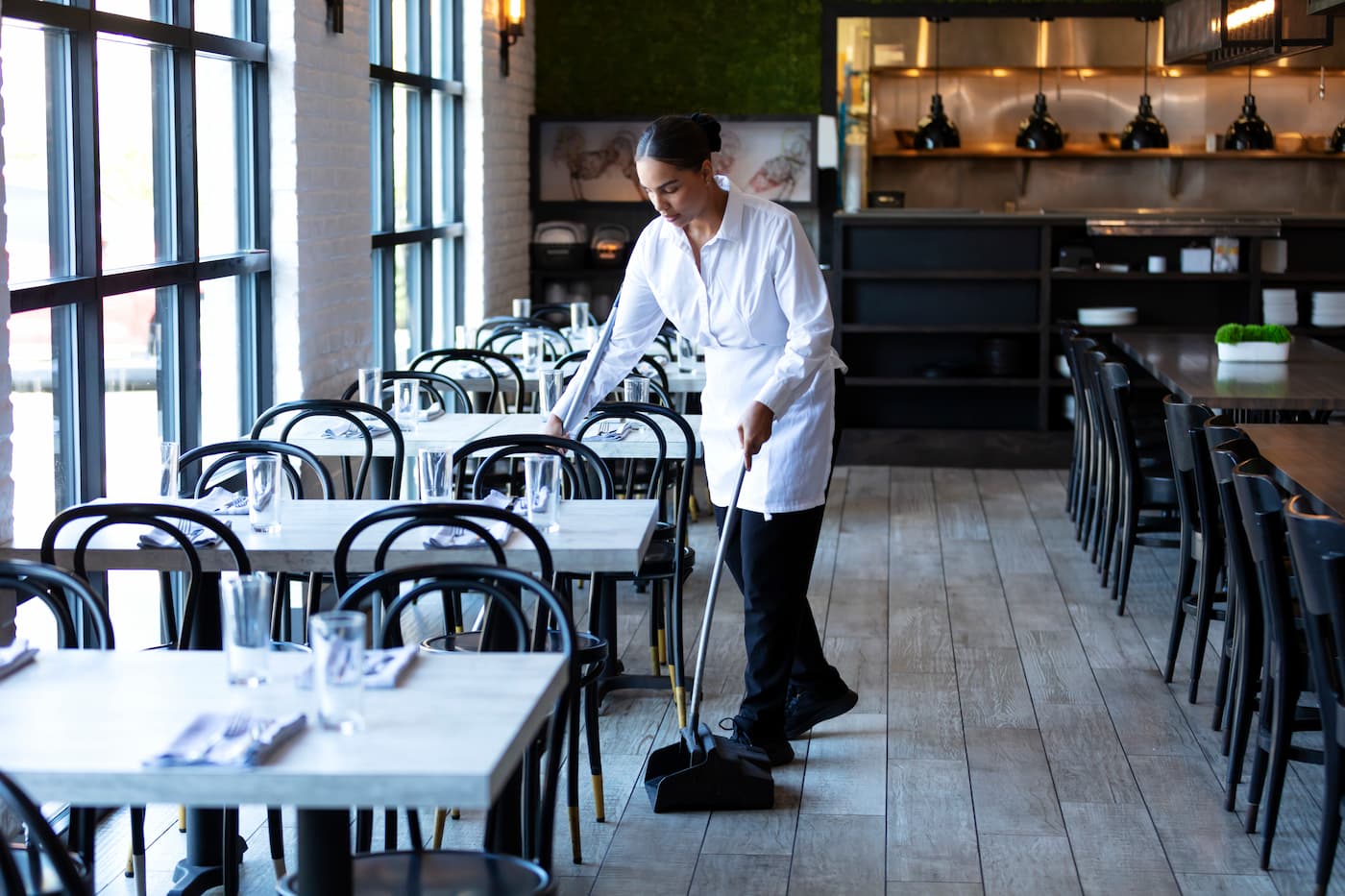
Maintaining a clean restaurant environment is essential for both customer satisfaction and public health. Restaurants experience constant activity throughout the day, from food preparation in the kitchen to guests dining in seating areas. Without proper cleaning routines, grease, food residue, and bacteria can quickly accumulate, creating serious hygiene concerns.
Restaurant owners searching for dependable house cleaning services Louisville KY often realize that food service environments require specialized cleaning standards. Health regulations require restaurants to maintain sanitary conditions to protect both customers and staff. Because of these high standards, many restaurant owners rely on experienced cleaning companies such as Scrub Lou when they need consistent and detailed cleaning support.
Across Jefferson County, restaurants face increasing competition, making cleanliness an important part of building a strong reputation. Clean dining spaces, hygienic kitchens, and well maintained restrooms help restaurants create welcoming environments that encourage repeat customers.
Why Cleanliness Is Critical for Restaurant Success
Customers expect restaurants to maintain spotless environments when preparing and serving food. Clean spaces create trust and reassure guests that the restaurant follows proper hygiene standards.
Even small cleanliness issues such as sticky tables, dirty floors, or unpleasant odors can quickly affect a guest’s perception of the restaurant. Negative experiences related to cleanliness often lead to poor reviews or lost business.
Restaurants that prioritize cleaning and sanitation often maintain stronger reputations. Guests are more likely to return to establishments that consistently provide clean and comfortable dining experiences.
Kitchen Cleaning and Food Safety
Maintaining Sanitary Food Preparation Areas
The kitchen is the most important area to maintain in any restaurant. Food preparation surfaces must remain clean to prevent contamination and ensure safe food handling practices.
Restaurant cleaning routines typically include sanitizing countertops, cutting boards, and food preparation stations. Cleaning teams also remove grease and residue from equipment and surrounding surfaces.
Keeping these areas clean helps reduce the risk of foodborne illnesses and ensures that kitchens meet local health regulations.
Maintaining sanitation in food preparation areas is essential for protecting both customers and staff.
Cleaning Cooking Equipment and Appliances
Commercial kitchens rely on equipment such as ovens, grills, fryers, and stovetops that are used continuously throughout the day. These appliances often accumulate grease and food residue during regular use.
Cleaning these appliances thoroughly helps prevent buildup that can affect food quality and kitchen safety. Grease accumulation may also increase the risk of kitchen fires if not properly managed.
Regular cleaning ensures that kitchen equipment continues operating safely and efficiently.
Proper equipment maintenance also helps extend the lifespan of expensive kitchen appliances.
Dining Area Cleaning for Customer Comfort
Dining areas are the most visible part of any restaurant. Guests spend most of their time in these spaces, which makes cleanliness extremely important for creating positive experiences.
Restaurant cleaning typically includes wiping tables, sanitizing chairs, and cleaning floors between service periods. Removing crumbs, spills, and debris helps maintain an inviting atmosphere.
Windows, decorative elements, and lighting fixtures should also be cleaned regularly to maintain the restaurant’s overall appearance.
Clean dining areas encourage customers to relax and enjoy their meals without concerns about hygiene.
Floor Cleaning in High Traffic Areas
Restaurant floors experience heavy foot traffic from both customers and staff. Food spills, grease, and dirt from shoes can quickly accumulate during busy service hours.
Regular sweeping and mopping help maintain clean and safe floors throughout the restaurant. Grease removal is particularly important in kitchen areas where spills may occur frequently.
Maintaining clean floors reduces the risk of slips and falls while preserving the overall appearance of the restaurant.
Many restaurant owners schedule routine floor cleaning to maintain safety and hygiene standards.
Restroom Cleaning and Customer Perception
Restrooms play a significant role in how customers evaluate restaurant cleanliness. Guests often judge the overall hygiene of the establishment based on restroom conditions.
Restaurant restroom cleaning typically includes disinfecting sinks, toilets, mirrors, and countertops. Floors are mopped regularly while soap dispensers and paper products are restocked.
Maintaining clean restrooms helps create positive impressions and ensures compliance with public health regulations.
Restaurants that maintain hygienic restrooms demonstrate their commitment to providing safe environments for their customers.
Managing Waste and Trash Removal
Restaurants generate significant amounts of waste throughout the day, including food scraps, packaging materials, and disposable items. Proper waste management is essential for maintaining a clean and sanitary environment.
Trash bins must be emptied regularly to prevent odors and reduce the risk of pests. Cleaning trash areas also helps prevent bacteria from spreading to nearby surfaces.
Maintaining organized waste disposal systems supports overall cleanliness and contributes to a more hygienic workplace.
Effective waste management also helps restaurants maintain compliance with local health guidelines.
Eco Friendly Cleaning in Restaurants
Many restaurants are adopting eco friendly cleaning practices as part of their commitment to sustainability. Eco friendly cleaning products use biodegradable ingredients that effectively remove grease and bacteria without introducing harsh chemicals.
These products help maintain safer environments for both employees and guests. They also reduce strong chemical odors that can affect dining experiences.
Environmentally responsible cleaning practices can also enhance a restaurant’s reputation among customers who value sustainability.
Restaurants that use eco friendly cleaning methods often demonstrate a broader commitment to responsible business practices.
Scheduling Regular Cleaning for Restaurants
Restaurants operate long hours and often experience busy periods throughout the day. Because of this, cleaning schedules must be carefully planned to maintain cleanliness without disrupting service.
Many restaurants schedule cleaning tasks during quieter periods or after closing hours. This approach allows cleaning teams to perform detailed sanitation without interfering with kitchen operations or customer service.
Reliable cleaning teams such as Scrub Lou often work with restaurant owners to create cleaning schedules that support both hygiene and operational efficiency.
Flexible scheduling ensures that restaurants maintain high standards while continuing to serve customers smoothly.
Supporting Health and Safety in Louisville Restaurants
Cleanliness remains one of the most important factors in maintaining successful restaurants. Proper cleaning protects food safety, supports customer satisfaction, and ensures compliance with health regulations.
Restaurants that maintain strong cleaning routines often create welcoming environments where guests feel comfortable returning again and again.
For restaurant owners throughout Louisville and Jefferson County, consistent cleaning plays a critical role in maintaining safe kitchens, comfortable dining areas, and professional food service environments.




Great post!