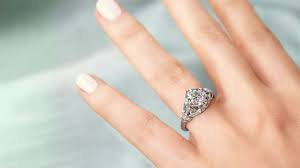
Diamond preferences often evolve alongside cultural and design trends, yet certain styles retain a lasting presence across generations. Antique diamond cuts, once considered relics of earlier eras, are now experiencing renewed appreciation among modern buyers. Their distinctive character, subtle brilliance, and historical significance offer an alternative to the precision-driven sparkle of contemporary cuts.
Understanding antique cuts is not simply about recognizing their aesthetic differences. It involves exploring how craftsmanship, technology, and artistic intention have shaped the way diamonds interact with light. For those selecting engagement rings or fine jewelry, this perspective provides a richer context for choosing a stone that reflects both personal taste and enduring design principles.
What Defines an Antique Diamond Cut
Antique diamond cuts were developed before the advent of modern cutting technology. These diamonds were shaped by hand, guided by candlelight rather than advanced optical tools. As a result, their proportions and facet arrangements differ significantly from modern standards.
Common antique cuts include the Old Mine Cut, Old European Cut, and Rose Cut. Each of these styles reflects the limitations and artistic sensibilities of its time. Instead of maximizing brilliance through precision, antique cuts emphasize softness, depth, and a more organic play of light.
A Different Kind of Brilliance
Unlike modern brilliant cuts, which are designed for maximum sparkle, antique diamonds produce a gentler glow. Their larger facets create broader flashes of light, often described as a “romantic” or “candlelit” effect. This quality appeals to buyers who value character over uniformity.
Historical Context and Craftsmanship
The evolution of diamond cutting reflects advancements in both technology and aesthetic preference. Early cutters worked with limited tools, relying on experience and intuition to shape each stone. This approach resulted in diamonds that were less standardized but more individual in appearance.
As cutting techniques improved, symmetry and light performance became more refined. Modern diamonds benefit from precise calculations that optimize brilliance, but they often lack the irregular charm found in antique stones. This contrast highlights the role of craftsmanship in defining a diamond’s identity.
For a deeper exploration of how antique cuts have influenced contemporary trends, this history of antique hand-cut diamonds provides valuable insight into their enduring appeal.
Comparing Antique and Modern Cuts
Modern brilliant cuts are engineered for maximum light return. Their precise symmetry and optimized proportions create intense sparkle, making them the most popular choice for engagement rings. In contrast, antique cuts prioritize depth and subtlety, offering a more understated form of brilliance.
This difference is not a matter of quality but of intention. Antique diamonds were designed to perform under softer lighting conditions, such as candlelight. Modern diamonds, by comparison, are optimized for a wide range of lighting environments, from natural daylight to artificial illumination.
Choosing Based on Personal Preference
The decision between antique and modern cuts often comes down to personal style. Some buyers are drawn to the crisp sparkle of contemporary diamonds, while others prefer the warmth and individuality of antique stones. Understanding these differences allows for a more intentional choice.
The Role of Setting in Enhancing Antique Diamonds
The setting plays a significant role in how an antique diamond is perceived. Vintage-inspired settings often complement the softer brilliance of these stones, enhancing their historical character. Details such as milgrain edges, filigree work, and intricate metalwork can further emphasize the diamond’s unique qualities.
Modern settings, on the other hand, can create an interesting contrast. Placing an antique diamond in a minimalist design highlights its individuality while allowing it to stand out against clean lines. This combination of old and new reflects the versatility of antique cuts in contemporary jewelry.
Discussions around style preferences, such as minimalist versus statement jewelry, illustrate how design choices influence the overall impact of a piece.
Value and Rarity Considerations
Antique diamonds are inherently limited in supply, as they originate from earlier periods of jewelry production. This scarcity contributes to their appeal, particularly for collectors and those seeking distinctive pieces. However, their value is influenced by factors beyond rarity, including condition, craftsmanship, and historical significance.
Unlike modern diamonds, which are graded using standardized criteria, antique diamonds may not always conform to current grading systems. This makes professional evaluation especially important when assessing their quality and authenticity.
Guidance from Experienced Professionals
Selecting an antique diamond requires a nuanced understanding of both historical context and modern standards. Subtle variations in cut, symmetry, and condition can significantly affect a stone’s appearance and value. Working with knowledgeable professionals helps ensure that these details are properly evaluated.
Consultations with specialists, such as the Leon Diamond Experts, often provide valuable insight into how antique diamonds compare with modern options. Their expertise can help buyers navigate the complexities of selecting a stone that aligns with both aesthetic preferences and practical considerations.
Balancing Authenticity and Wearability
While antique diamonds offer unique character, they may require careful consideration in terms of durability and maintenance. Older stones can have wear or structural characteristics that influence how they should be set and worn. Balancing authenticity with everyday practicality ensures that the piece remains both beautiful and functional.
A Lasting Connection Between Past and Present
Antique diamond cuts represent more than a stylistic choice; they embody a connection to the history of craftsmanship and design. Each stone carries traces of the era in which it was created, offering a sense of continuity that modern diamonds cannot replicate.
At the same time, their adaptability allows them to fit seamlessly into contemporary jewelry. Whether set in a vintage-inspired design or paired with modern elements, antique diamonds continue to evolve alongside changing tastes.
A Thoughtful Perspective on Diamond Selection
Choosing a diamond involves more than evaluating technical specifications. It requires an appreciation for how different cuts express light, character, and history. Antique diamonds offer a distinct perspective, inviting buyers to consider beauty in a more nuanced way.
By understanding the qualities that define these stones, buyers can make decisions that reflect both personal style and an appreciation for craftsmanship. In doing so, they select not just a diamond, but a piece of history that continues to resonate in the present.