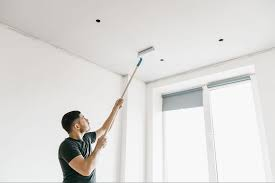
Your bathroom is more than just a functional space. It is a personal retreat where you start and end your day. When it comes to home decor, every detail matters, and one area that homeowners frequently overlook is the bathroom ceiling. Choosing the right paint for your bathroom ceiling can make a dramatic difference in both the appearance and longevity of your space. In this comprehensive guide, we will walk you through everything you need to know about selecting, preparing, and applying the perfect paint for your bathroom ceiling.
Why Your Bathroom Ceiling Deserves Special Attention
Unlike other rooms in your home, the bathroom is a high-moisture environment. Every time you take a hot shower or run a bath, steam rises and settles on the ceiling. Over time, this constant exposure to humidity can cause regular paint to peel, crack, bubble, and even develop mold or mildew. That is why selecting a paint specifically suited for bathroom conditions is not just a cosmetic choice — it is a practical necessity.
A well-painted bathroom ceiling contributes significantly to the overall home decor aesthetic. A fresh, clean ceiling makes the entire room feel brighter, more spacious, and well-maintained. On the other hand, a neglected ceiling with flaking paint or dark mold patches can make even the most beautifully decorated bathroom look tired and uninviting.
What Type of Paint Is Best for a Bathroom Ceiling?
Not all paints are created equal, and the best paint for a bathroom ceiling needs to meet several specific criteria. Here are the key factors to consider:
1. Moisture Resistance
The most important feature of bathroom ceiling paint is its ability to resist moisture. Look for paints that are labeled as moisture-resistant, anti-condensation, or specifically designed for bathrooms and kitchens. These formulations contain additives that prevent water from penetrating the paint film, keeping your ceiling protected against humidity damage.
2. Mold and Mildew Resistance
Bathrooms are breeding grounds for mold and mildew. The best bathroom ceiling paints contain fungicidal additives that actively inhibit mold growth. This is especially important if your bathroom has limited ventilation. Choosing a mold-resistant paint can save you significant time and money on future maintenance and cleaning.
3. Paint Finish
The finish of your paint plays a crucial role in both durability and appearance. Here is a breakdown of the most common options:
- Flat or Matte Finish: While this gives a smooth, elegant look and hides imperfections well, it is generally not the best choice for bathrooms because it absorbs moisture more easily and is harder to clean.
- Satin Finish: This is widely considered the best finish for bathroom ceilings. It offers a subtle sheen that resists moisture effectively while still being easy to wipe clean. It strikes the perfect balance between aesthetics and functionality.
- Semi-Gloss Finish: This provides excellent moisture resistance and is very easy to clean. However, it has a noticeable shine that can highlight imperfections on your ceiling surface. It works best on smooth, well-prepared ceilings.
4. Quality of the Paint
Investing in a high-quality paint from a reputable brand is always worth it. Premium paints offer better coverage, superior adhesion, longer-lasting color, and enhanced moisture protection. While budget options may seem tempting, they often require more coats and need to be repainted sooner, costing you more in the long run.
How to Prepare Your Bathroom Ceiling for Painting
Proper preparation is the secret to a flawless, long-lasting paint job. Follow these steps before you pick up the roller:
Step 1: Clean the Ceiling Thoroughly
Use a solution of warm water and mild detergent or a dedicated mold-removal cleaner to wash the ceiling. Remove any traces of dirt, grease, soap residue, or mold. Allow the ceiling to dry completely before moving on.
Step 2: Repair Any Damage
Inspect the ceiling for cracks, holes, or peeling paint. Use a scraper to remove any loose or flaking paint. Fill cracks and holes with a suitable filler, and sand the surface smooth once the filler has dried.
Step 3: Apply a Primer
Using a high-quality, moisture-resistant primer is essential. A good primer seals the surface, improves paint adhesion, and provides an extra layer of protection against moisture. If your ceiling has existing mold stains, use a stain-blocking primer to prevent them from bleeding through the new paint.
Step 4: Ventilate the Room
Ensure your bathroom is well-ventilated during and after painting. Open windows, turn on the exhaust fan, and if possible, use a portable fan to keep air circulating. Proper ventilation helps the paint dry evenly and reduces the risk of trapping moisture beneath the new coat.
Top Tips for Painting Your Bathroom Ceiling Like a Pro
Even if you are a DIY beginner, these expert tips will help you achieve professional-looking results:
- Use a roller with a thick nap (around 12mm) for textured ceilings and a thinner nap for smooth surfaces. This ensures even coverage without drips.
- Paint in one direction to maintain a consistent finish and avoid visible roller marks.
- Apply at least two coats for optimal coverage and protection. Allow each coat to dry fully before applying the next.
- Work in sections to maintain a wet edge, which prevents lap marks and ensures a seamless finish.
- Choose a light color for your bathroom ceiling. Whites, soft creams, and pale blues are popular home decor choices that make the room feel open, airy, and clean.
- Do not rush the drying process. Humidity in bathrooms can slow down drying times. Be patient and allow adequate time between coats.
Popular Color Trends for Bathroom Ceilings in 2026
While classic white remains the most popular choice, modern home decor trends are encouraging homeowners to get more creative with their bathroom ceilings:
- Soft Sage Green: A calming, nature-inspired shade that pairs beautifully with white tiles and wooden accents.
- Pale Sky Blue: This timeless color creates an illusion of openness and brings a spa-like tranquility to your bathroom.
- Warm Greige: A blend of grey and beige that adds warmth and sophistication without overwhelming the space.
- Crisp Bright White: Always in style, a fresh white ceiling reflects light beautifully and makes the bathroom feel larger and cleaner.
How Often Should You Repaint Your Bathroom Ceiling?
With the right paint and proper preparation, a bathroom ceiling should last three to five years before it needs repainting. However, this depends on factors such as ventilation, frequency of use, and the quality of paint used. Regularly inspect your ceiling for signs of peeling, discoloration, or mold growth, and address any issues promptly to keep your bathroom looking its best.
Conclusion
Choosing the right paint for your bathroom ceiling is one of the smartest investments you can make in your home decor. By selecting a moisture-resistant, mold-inhibiting paint with the right finish, properly preparing the surface, and applying it with care, you can transform your bathroom into a beautiful, well-protected space that stands up to daily humidity.
If you are looking for more inspiration and expert guidance on home improvements and home decor ideas, be sure to visit American Home Protect. American Home Protect is a dedicated online resource that provides a wealth of practical home improvement tips, creative decor ideas, and step-by-step guides to help homeowners make the most of every room in their house. Whether you are planning a full bathroom renovation or simply refreshing your ceiling with a new coat of paint, American Home Protect has the insights and advice you need to turn your vision into reality.



