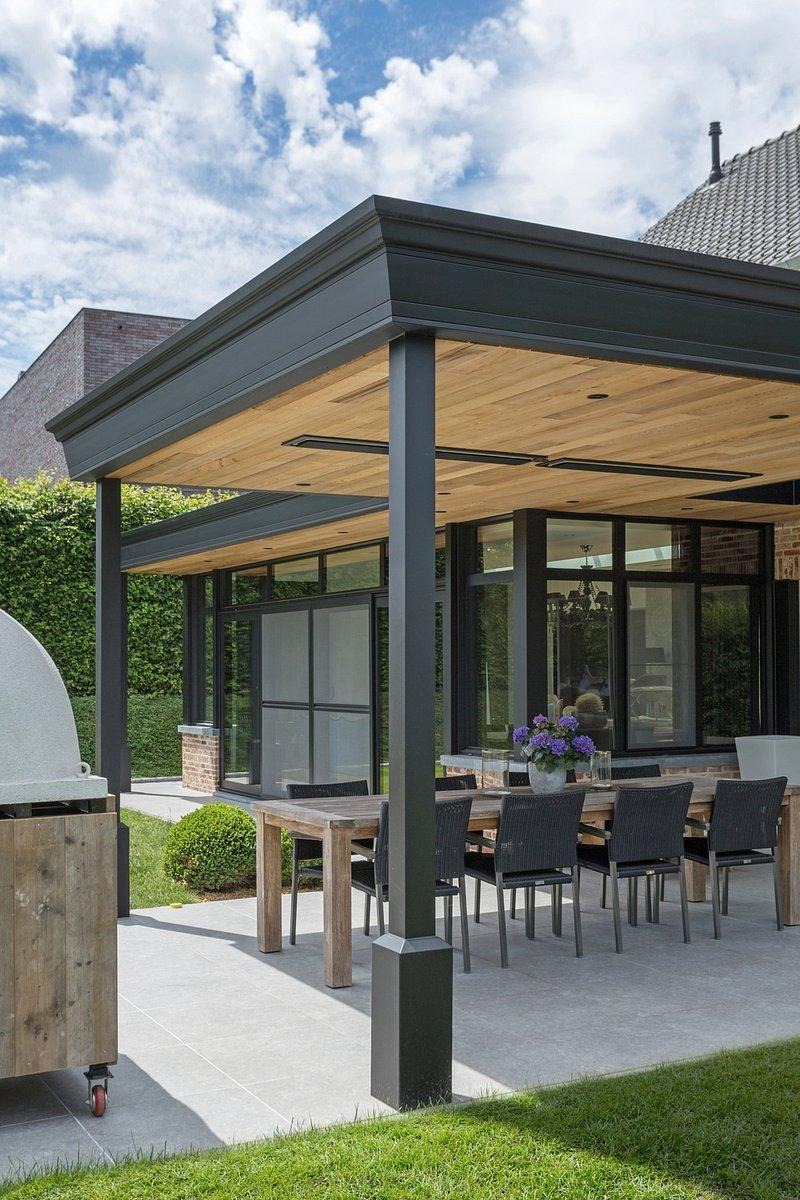
Backyard design has shifted toward creating spaces that feel as comfortable and intentional as the interior of a home. Pergolas play a central role in this transformation, offering shade, structure, and a clear sense of purpose to outdoor areas. Whether installed over a patio or positioned within a landscaped garden, a pergola can redefine how a space is used throughout the year.
One of the most important decisions in this process is selecting the right material. Wood and aluminum pergolas are two of the most common options, each with distinct characteristics that influence durability, maintenance, and visual appeal. Understanding how these materials perform in real-world conditions helps homeowners and contractors create outdoor spaces that are both functional and enduring.
How Pergola Materials Shape Outdoor Experience
The material of a pergola affects more than just its appearance. It influences how the structure responds to weather, how much maintenance it requires, and how it integrates with the surrounding environment. A well-chosen material enhances comfort while supporting the long-term usability of the space.
Sun exposure, humidity, and seasonal changes all play a role in how a pergola performs. Materials that can withstand these conditions without significant deterioration tend to offer better long-term value, especially in climates with extreme weather variations.
Balancing Durability and Design
Homeowners often face a trade-off between natural aesthetics and low maintenance. Wood offers a classic look that evolves over time, while aluminum provides a more consistent and resilient finish. The right balance depends on personal preference as well as practical considerations.
Design professionals typically evaluate how the pergola will be used before recommending a material. A structure intended for frequent use may benefit from materials that require less upkeep, while a purely decorative feature may prioritize visual authenticity.
Understanding Wood Pergolas
Wood has long been associated with outdoor construction, valued for its warmth and versatility. It can be shaped, stained, and customized to match a wide range of architectural styles. This adaptability makes it a popular choice for homeowners seeking a personalized design.
However, wood requires ongoing maintenance to maintain its appearance and structural integrity. Exposure to moisture can lead to rot or warping, while sunlight may cause fading or cracking over time. Regular sealing and staining are necessary to protect the material from these effects.
Natural Character and Aging
One of the defining features of wood is how it changes over time. Some homeowners appreciate the natural aging process, which can add character to the structure. Others may find the maintenance demands challenging, particularly in regions with high humidity or intense sun exposure.
Proper care can extend the lifespan of a wood pergola, but it requires consistent effort. This makes it important to consider whether the maintenance commitment aligns with the homeowner’s expectations.
Exploring Aluminum Pergolas
Aluminum pergolas have emerged as a modern alternative that addresses many of the challenges associated with wood. These structures are designed to provide strength and durability while maintaining a clean and consistent appearance. Advances in manufacturing have also made it possible to replicate the look of wood with surprising accuracy.
The powder-coated finish used in aluminum pergolas helps protect against corrosion, fading, and environmental wear. This allows the structure to retain its appearance with minimal maintenance, making it an attractive option for homeowners seeking convenience.
Performance in Varying Conditions
Aluminum performs well across a range of climates. It does not absorb moisture, which reduces the risk of structural damage in humid environments. It also resists UV exposure, helping maintain its color and finish over time.
Companies like Royal Covers have refined aluminum pergola systems to offer both durability and design flexibility. Their approach reflects a broader shift toward materials that combine strength with low maintenance requirements.
Comparing Wood and Aluminum Pergolas
When deciding between materials, the comparison often comes down to how each option performs in terms of maintenance, longevity, and visual impact. Both wood and aluminum have their advantages, and the choice depends on how the pergola will be used and maintained.
Homeowners looking for a detailed comparison often explore discussions on wood versus aluminum pergola designs to better understand how each material fits different outdoor scenarios.
Maintenance and Longevity
Maintenance is one of the most significant differences between the two materials. Wood requires regular care to prevent deterioration, while aluminum typically needs only occasional cleaning. Over time, this difference can affect both cost and convenience.
In terms of longevity, aluminum often provides a more stable solution, particularly in challenging climates. Wood can last for many years with proper care, but it is more susceptible to environmental factors.
Visual Appeal and Design Flexibility
Wood offers a natural texture that many homeowners find appealing. It can be customized with various finishes, allowing for a high degree of personalization. This makes it well-suited for traditional or rustic designs.
Aluminum pergolas, while engineered, provide a consistent and polished look. They are available in a range of finishes that can complement both modern and classic styles. This versatility makes them a practical choice for a wide variety of outdoor settings.
Integrating Pergolas with Sustainable Outdoor Design
Pergolas are often part of a larger effort to create sustainable and efficient outdoor spaces. Choosing materials and maintenance practices that reduce environmental impact can enhance the overall value of the project.
For example, maintaining surrounding landscaping with eco-friendly methods can support the longevity of outdoor structures. Homeowners interested in sustainable practices may benefit from exploring this guide on creating an outdoor space you’ll actually enjoy spending time in, which highlights ways to care for outdoor areas responsibly.
Coordinating with Other Backyard Features
A pergola should work in harmony with other elements such as patios, sheds, and seating areas. Coordinating materials and design details creates a cohesive environment that feels intentional and well-planned.
For inspiration on how different outdoor features can come together, homeowners often look to examples like this backyard patio and shed project, which demonstrates how thoughtful design can enhance both functionality and visual appeal.
Installation and Structural Considerations
Proper installation is essential for ensuring that a pergola performs well over time. This includes selecting a stable foundation, securing the structure appropriately, and accounting for environmental factors such as wind and drainage. Even durable materials require careful planning to achieve the best results.
Aluminum pergolas often feature prefabricated components that allow for precise assembly, while wood pergolas may require more customization during installation. Working with experienced professionals helps ensure that the structure is both stable and aligned with the overall design.
Adapting to Climate and Usage
The intended use of the pergola should guide material selection. Areas that receive heavy sun exposure may benefit from materials that resist fading and heat, while regions with frequent rainfall require structures that can handle moisture effectively.
Understanding these factors allows homeowners to choose a pergola that not only looks good but also performs reliably over time.
Final Thoughts on Pergola Material Selection
Choosing between wood and aluminum pergolas involves more than comparing appearance. It requires a clear understanding of how each material performs in different conditions and how it aligns with maintenance preferences. Both options offer unique advantages, and the best choice depends on the specific needs of the space.
With thoughtful planning and attention to detail, a pergola can become a lasting feature that enhances both the functionality and character of a backyard. The right material ensures that this investment continues to deliver comfort and value for years to come.



