Key Takeaways
- After-school swimming lessons support children’s physical fitness by improving strength, endurance, coordination, and cardiovascular health.
- Swimming also boosts mental well-being by building confidence, reducing stress, and improving focus and discipline.
- Water safety training is essential for preventing drowning and teaching children critical life-saving skills.
- Swim programs encourage social development through teamwork, communication, and peer interaction.
- Swimming provides long-term benefits, promoting lifelong fitness, safety awareness, and healthy habits.
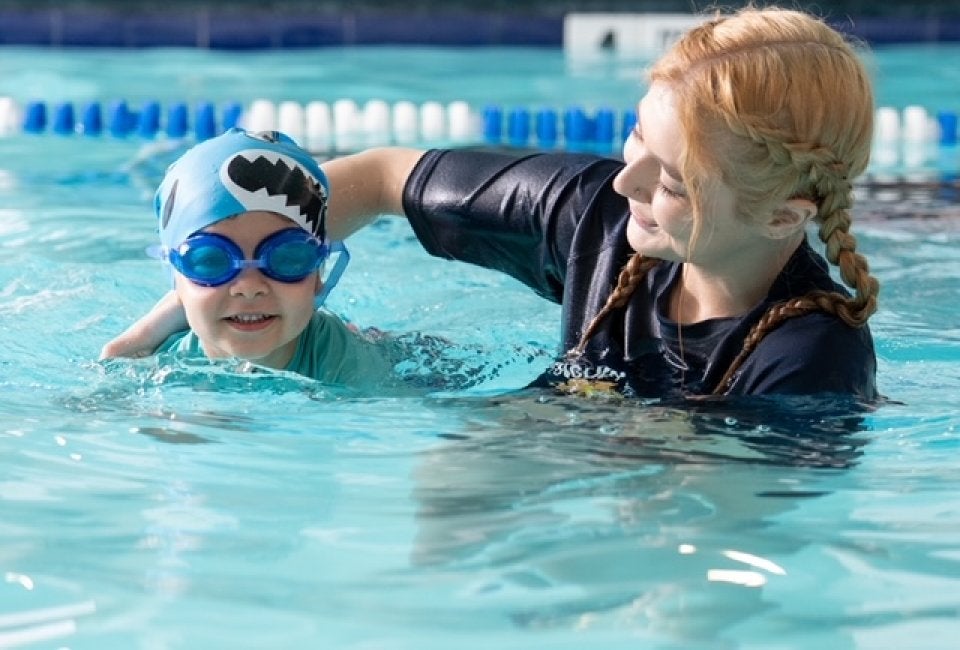
In the dynamic environment of New York City, parents are constantly seeking activities that promote their children’s health and well-being. After-school swimming lessons have become a favored option, offering a combination of physical exercise, safety skills, and social interaction. For families in the Upper West Side, SwimJim provides expert instruction tailored to various age groups and skill levels. Their facility at 666 West End Ave features a warm, comfortable pool environment, making it an ideal choice for those seeking swim lessons in NYC.
Physical Health Benefits
Swimming is a comprehensive workout that engages multiple muscle groups, enhancing cardiovascular health and building endurance. For children, regular swimming sessions can improve flexibility, strength, and coordination. The New York State Department of Health emphasizes the importance of physical activity in after-school programs, recommending at least 30 minutes of moderate-to-vigorous activity during each 3-hour block. Swimming fits seamlessly into these guidelines, providing a fun and effective way to meet physical activity requirements. Furthermore, swimming is recognized for its low-impact nature, making it suitable for kids with joint issues or other physical limitations. The water’s buoyancy reduces stress on the body while still challenging the muscles and heart, promoting an efficient, safe, and enjoyable workout. According to pediatricians, swimming can also help manage a healthy weight and prevent childhood obesity, a growing concern across urban communities.
Mental and Emotional Well-being
Beyond physical health, swimming contributes to mental and emotional development. Learning to swim builds confidence and resilience as children master new skills and overcome challenges. The structured environment of swim lessons also teaches discipline and focus, qualities that benefit academic performance and personal growth. Participating in swimming can provide children with a constructive outlet for stress relief after a busy school day. Many parents report that kids emerge from swim sessions feeling calmer and more focused, as the repetitive, rhythmic movements in water act as a natural mood stabilizer. Additionally, for children who may struggle with anxiety or attention difficulties, swimming’s predictable routines and clear goals offer an environment where they can thrive.
Safety Skills and Drowning Prevention
With numerous pools and beaches in NYC, water safety is paramount. After-school swimming lessons equip children with essential skills to navigate aquatic environments safely. Recognizing this need, Mayor Eric Adams announced a $5.5 million investment to expand free swim lessons to nearly 18,000 students, focusing on underserved communities to ensure equitable access to life-saving instruction.
Drowning remains a leading cause of unintentional injury-related death among children, and teaching youngsters how to swim, along with basic water survival skills, dramatically reduces that risk. Swim instructors teach not only how to propel through water but also how to float, tread, and react calmly in emergencies. By instilling these foundational abilities, programs like those in NYC are creating safer communities and empowering children with the confidence to enjoy aquatic settings safely for life.
Social Interaction and Teamwork
Swimming lessons provide a platform for socialization, allowing children to interact with peers outside the classroom. They learn teamwork, communication, and mutual support, fostering a sense of community and belonging. These social skills are crucial for personal development and can lead to lasting friendships. Collaborative activities, such as relay races or group drills, in swim classes foster group cohesion and teach the value of cooperation. Children also learn to respect others’ abilities, celebrate successes together, and support one another through setbacks. These shared experiences can be particularly valuable for newcomers to NYC, offering an inclusive environment where children from diverse backgrounds easily connect.
Accessibility and Community Programs
Access to swimming lessons has been a challenge in certain NYC neighborhoods. Initiatives such as the partnership among the YMCA of Greater New York, the JCC of Staten Island, and the NYC Department of Parks and Recreation aim to bridge this gap. This collaboration offers free swim instruction to over 800 second-grade students during the 2025-26 school year, demonstrating the city’s commitment to making swimming lessons available to all children. In addition to these public-private partnerships, many non-profit organizations and local businesses offer sliding-scale tuition or scholarship opportunities for families facing financial barriers. Some schools are even integrating swim lessons directly into their physical education curriculum. The goal across these initiatives is clear: to remove as many obstacles as possible so children of all backgrounds have the chance to learn vital swimming and water safety skills.
Integrating Swimming into After-School Programs
Incorporating swimming into after-school programs requires coordination between schools, parents, and local organizations. Schools can partner with nearby swim facilities to offer lessons as part of their extracurricular activities. Parents should advocate for such programs, emphasizing the multifaceted benefits of swimming for their children’s development. Effective integration also requires thoughtful scheduling and transportation planning, ensuring children can participate without disrupting academic commitments or family routines. Some community centers coordinate staff or volunteers to accompany students from school to pool facilities and back, further streamlining the process and giving parents peace of mind. Open lines of communication among parents, caregivers, and instructors enhance the experience, allowing for personalized feedback and support as children progress.
Choosing the Right Program
When selecting a swimming program, consider factors such as instructor qualifications, class sizes, and the facility’s safety measures. Programs should cater to a range of skill levels, ensuring that each child receives appropriate instruction and attention. Parents are encouraged to visit swim schools in person, observe a class, and ask about staff certifications from recognized bodies such as the American Red Cross or the YMCA. Smaller instructor-to-student ratios typically allow for more individualized attention, particularly important for beginners or children with special needs. Reviewing reviews, testimonials, and program philosophies can help ensure the selected program aligns with the family’s priorities for safety, learning style, and the overall swim experience for all participants.
Long-Term Impact and Lifelong Benefits
The advantages of after-school swimming lessons extend well beyond the school years. Once children acquire fundamental swimming and water safety skills, these abilities turn into lifelong assets, enabling them to safely explore beaches, lakes, and pools throughout their lives. As children mature, they may choose to pursue competitive swim teams, lifeguarding opportunities, or even volunteer as teachers’ assistants, continuing the cycle of sharing essential life skills within the community. Engagement in organized swimming also fosters a positive attitude toward physical activity in general, setting the foundation for healthy habits that last into adulthood. The holistic benefits, ranging from physical fitness to leadership, discipline, and teamwork, make swimming one of the most impactful extracurricular pursuits for NYC’s youth. By prioritizing access to quality after-school swimming lessons, families and communities are making a proactive investment in their children’s present and future well-being.
Conclusion
After-school swimming lessons offer NYC children a holistic approach to health, combining physical fitness, mental well-being, essential water safety skills, and valuable social development. These programs help children build strength, confidence, discipline, and resilience while also teaching them how to stay safe in and around water. By supporting and expanding access to high-quality swimming instruction, communities can play a vital role in shaping healthier, more confident, and well-rounded young individuals who are better prepared for both everyday challenges and lifelong wellness.



