Sometimes the Cart Is Carrying More Than Stuff
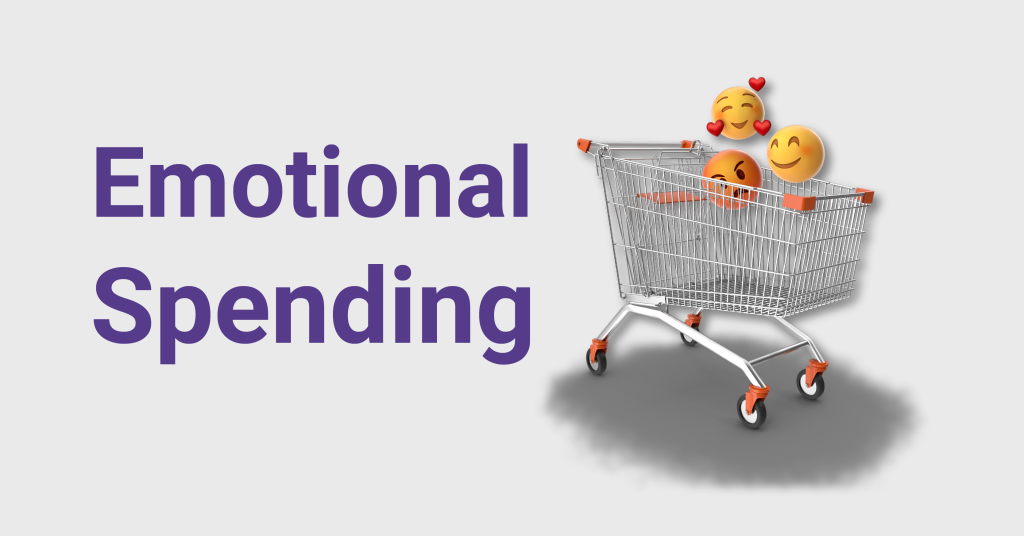
Emotional spending often looks like a simple money problem from the outside. You bought something you did not plan to buy. You went over budget. You ordered things online after a hard day. You grabbed another little treat because the week felt long. But the purchase itself is usually not the whole story. A cart can carry stress, sadness, boredom, celebration, loneliness, frustration, or the need to feel in control for a minute.
That is why emotional spending is not solved by shame. If money pressure builds, someone may start researching financial options, including the advantages of secured loans, but everyday emotional spending is best handled before it turns into a larger financial strain. The goal is to recognize what the spending is trying to soothe, then create a better response than buying something you did not truly need.
Emotional Spending Is Not Always Sad Spending
People often think emotional spending only happens after a bad day. That is common, but it is not the only pattern. Emotional spending can also happen when you are happy, excited, proud, or relieved. You get good news and decide to celebrate with a purchase. You finish a difficult project and feel like you deserve a reward. You are looking forward to a trip and start buying extras because anticipation makes everything feel necessary.
Stress, sadness, boredom, and anxiety are common triggers too. Boredom can make shopping feel like entertainment. Stress can make a purchase feel like relief. Sadness can make a package arriving later feel like something to look forward to. Anxiety can make buying feel like preparation, even when the item is not truly needed.
Extension Foundation describes emotional spending as spending heightened by stress, grief, happiness, or sadness in its overview of emotional spending patterns. That broad definition matters because you cannot manage the habit if you only look for it when you feel upset.
Track the Feeling, Not Just the Purchase
A budget can show what you bought, but it may not show why you bought it. To recognize emotional spending, start tracking the feeling behind the transaction. You do not need a complicated system. A simple note on your phone can work.
After an unplanned purchase, write down what you bought, how much it cost, what time it happened, and what you were feeling right before. Were you tired? Stressed? Bored? Lonely? Excited? Jealous? Overwhelmed? Did you see an ad? Were you scrolling social media? Did someone invite you somewhere you did not want to miss?
After a few weeks, patterns usually appear. Maybe online shopping happens late at night. Maybe food delivery happens when work is stressful. Maybe you overspend after seeing other people’s vacations or outfits online. Maybe you buy things for your home when you feel out of control in other areas of life.
Once you see the pattern, the problem becomes more manageable. You are no longer trying to “stop spending.” You are learning what specific emotion, situation, or environment leads to the spending.
Use a Pause Before Buying Rule
A pause rule is one of the simplest tools for emotional spending. It creates space between the urge and the purchase. For small nonessential purchases, try waiting 24 hours. For larger purchases, wait 48 hours or a full week.
During the pause, put the item on a list. Write the price, where you found it, and why you wanted it. This helps you separate a true want from a passing emotional spike. If you still want the item later, and it fits your budget, you can buy it with a clearer head. If you forget about it or no longer care, the pause saved you money.
The pause rule is not a punishment. It is a filter. Emotional spending thrives on urgency. Waiting makes the urgency explain itself.
Use Cash Where Spending Gets Slippery
Cards and digital wallets make spending feel almost invisible. A tap, swipe, or click can disconnect the purchase from the money leaving your account. If one category keeps getting out of control, cash can make the limit more real.
This works especially well for flexible categories like dining out, coffee, entertainment, personal spending, or small treats. Decide the amount for the week or month, withdraw it in cash, and use only that amount for the category. When the cash is gone, the category pauses.
Cash is not magical, but it adds friction. You can see the money leaving. You can feel the limit. For emotional spending, that physical reminder can be helpful because it slows down automatic behavior.
If cash is inconvenient, a separate debit account can serve a similar purpose. Transfer only your planned amount for flexible spending, and keep the rest of your money away from impulse decisions.
Curate Your Feeds Like Your Budget Depends on It
Your environment shapes your spending more than you may think. Social media feeds, promotional emails, influencer content, ads, and shopping apps can keep desire constantly active. If your phone is always showing you what to buy, it is harder to feel satisfied with what you already have.
Curating your feeds is not about being dramatic. It is about protecting your attention. Unfollow accounts that make you feel behind, inadequate, or constantly tempted. Mute brands that trigger impulse buys. Unsubscribe from store emails. Delete shopping apps that you open when bored. Turn off notifications from retailers.
The Federal Trade Commission explains how online shopping requires caution around sellers, prices, payment methods, and return policies in its guidance on shopping safely online. That practical advice also points to a larger truth: online buying environments are designed to make purchasing easy. If you want to spend more intentionally, you may need to make access less automatic.
Replace Retail Therapy With Real Recovery
Retail therapy can feel good because it gives your brain a quick lift. The problem is that the relief usually fades, while the cost remains. To subdue emotional spending, you need alternatives that actually respond to the emotion.
If stress is the trigger, try a walk, stretching, breathing exercises, a shower, music, journaling, or cleaning one small area. If boredom is the trigger, create a list of free activities before boredom hits: a library visit, a free local event, a hobby project, a phone call, a workout video, or a new recipe using what you already have. If sadness or loneliness is the trigger, try connection before consumption. Text a friend, plan a low cost hangout, spend time outside, or go somewhere public where you do not need to buy much.
For celebration spending, create a planned reward list. Not every reward needs to be expensive. A special homemade meal, a movie night, a long bath, a scenic walk, or a small budgeted treat can still mark the moment without turning every good feeling into a shopping trip.
Create a Joy Fund So You Do Not Rebel
Trying to eliminate all treats can backfire. If your budget has no room for enjoyment, emotional spending may return as rebellion. A joy fund gives you a planned amount for guilt free fun. It might be $10 a week, $50 a month, or whatever fits after essentials, savings, and debt payments.
The joy fund works because it separates intentional enjoyment from emotional impulse. You can still buy coffee, books, snacks, hobby supplies, or small extras, but the spending has a boundary. When the fund is used up, you wait until it refills.
This helps your budget feel less like a trap. You are not saying no to every pleasure. You are saying yes to pleasure that fits your plan.
Watch for the After Feeling
One of the clearest signs of emotional spending is how you feel after the purchase. A useful purchase may bring relief, satisfaction, or confidence. An emotional impulse buy often brings regret, embarrassment, stress, or the urge to hide the transaction.
Pay attention to that after feeling. It can teach you which spending is truly serving you and which spending is only offering a temporary escape. If the same type of purchase repeatedly leaves you feeling worse, that is a signal to change the pattern.
Do not use the after feeling as a reason to attack yourself. Use it as information. The goal is awareness, not punishment.
Build a Repair Plan for Slips
You will probably still have emotional spending moments. That does not mean the plan failed. It means you are human. What matters is having a repair process.
When a slip happens, review it without blame. What was the trigger? What did the purchase promise to fix? Did the pause rule fail, or did you skip it? Was your feed full of temptation? Did you need rest, support, food, or a break? What would you do differently next time?
Then make one practical adjustment. Delete an app. Add a cash limit. Move money out of checking. Create a better substitute. Increase your joy fund slightly if the budget was too tight. One adjustment is more useful than a long guilt spiral.
Spend With Awareness, Not Autopilot
Recognizing and subduing emotional spending is not about becoming someone who never buys anything fun. It is about noticing when spending is being asked to do emotional work it cannot really do. Purchases can be useful, enjoyable, and meaningful. They just should not be your only tool for stress, sadness, boredom, or celebration.
Track the feelings behind your spending. Use pause before buying rules. Try cash for slippery categories. Curate your feeds. Replace retail therapy with healthier forms of recovery. Keep a joy fund so your budget includes room for real enjoyment.
When you understand the emotion underneath the purchase, you gain more choices. You can still spend when it makes sense, but you no longer have to let every feeling become a transaction.