Extended travel is very different from short trips. When people travel for many days or weeks, their needs change. A simple place to sleep is not enough anymore. People need comfort, convenience , and support in their daily routine. Without these things, long-term travel becomes hard and stressful.
People travel for many reasons. Some people travel for work, while others move to a new city, study in another place, or spend time with family. In all these cases, they spend most of their time away from home. So their living space becomes very important.
A comfortable place to stay can improve the overall travel experience, while a poor environment can make daily life more stressful. In this article, we will look at why comfort and convenience matter during long-term travel.
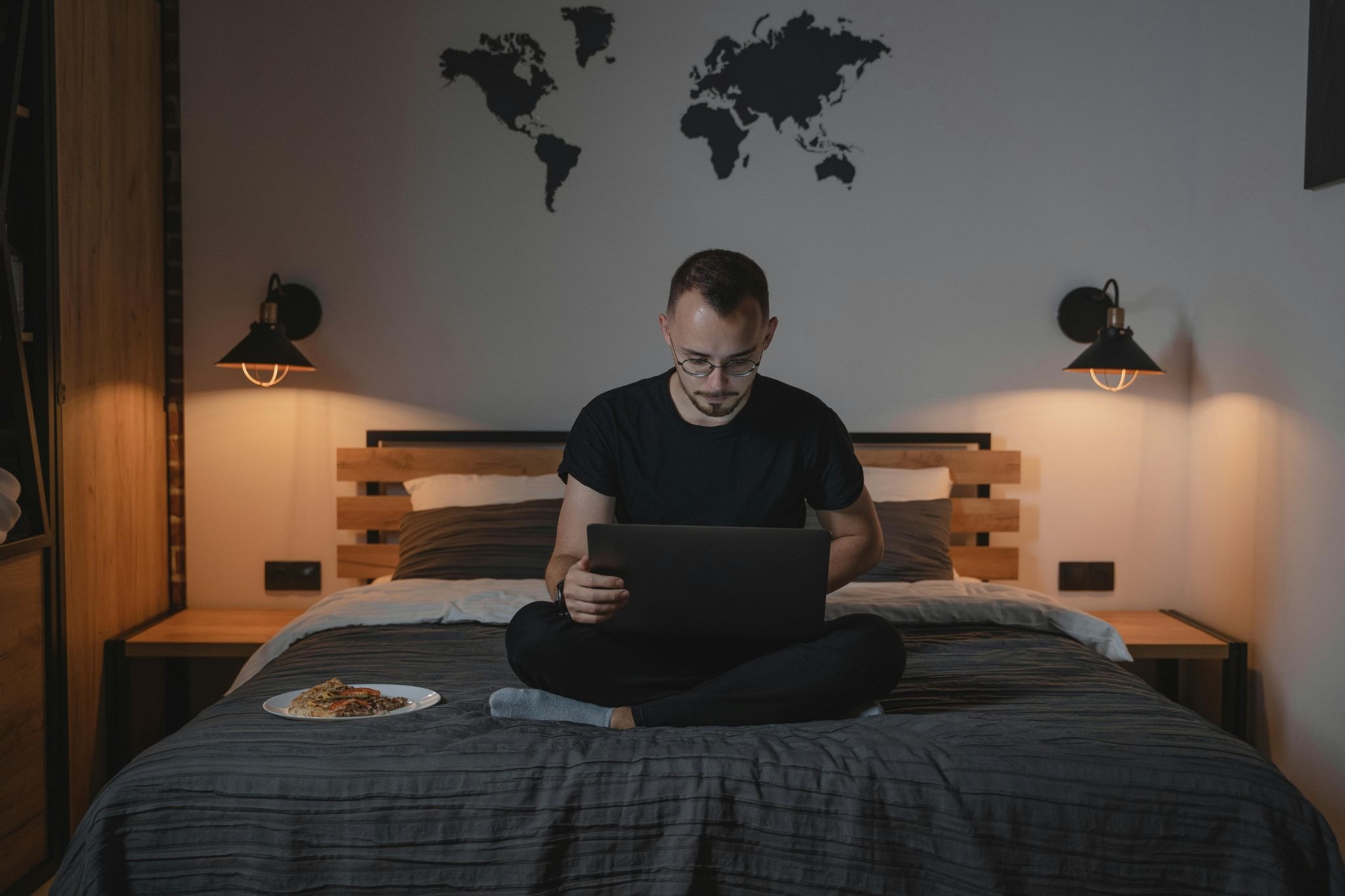
Long-term Travel Affects Energy and Routine
Long-term travel affects both the body and the mind. People often feel tired after long flights or road trips. They also have to adjust to new places, different routines, and unfamiliar environments.
Many travelers face problems like:
- Poor sleep quality
- Jet lag or tiredness
- Irregular meals
- Stress from a new environment
- Lack of daily routine
When the body does not get proper rest, energy levels start to drop and even simple tasks can feel difficult. People may also struggle to focus during the day.
A calm and comfortable environment can help reduce these problems. It gives the body time to recover and supports mental relaxation after a long and tiring day.
Comfort Builds a Stable Daily Routine
Routine is very important during long stays. When people stay away from home, their habits change. They may sleep at different times, eat differently, and struggle to maintain their normal work routine.
A comfortable place helps bring stability back and makes daily life easier to manage.
For example:
A soft bed improves sleep quality
A quiet room improves focus
A clean space improves mood
A proper desk helps work routine
When people feel comfortable, they adjust faster and follow a better routine. This makes long travel easier and less stressful. Without comfort, daily life can feel disorganized, making it harder to stay focused and productive.
Convenience Makes Daily Life Easy
Convenience is very important during long stays because people need many small things every day.
These include:
- Food
- Transport
- Internet
- Laundry
- Basic shopping
When these services are easy to access, daily life becomes much simpler. Travelers save time, avoid unnecessary stress, and manage their routine more easily. For example, nearby food options reduce effort, reliable transport makes travel smoother, and stable internet helps people stay connected with work and family.
Convenience also removes extra pressure from daily life. As a result, travelers can focus more on work, rest, and other important responsibilities.
Work Becomes Easier During Long Travel
Many people travel for work. They attend meetings, join online calls, and complete tasks from different locations. In these situations, comfort becomes very important because the environment can directly affect productivity and focus.
A good environment helps in many ways:
- It reduces noise and distractions
- It improves concentration
- It supports long working hours
- It helps people stay focused
A proper work setup also matters. A comfortable chair, a suitable desk, and stable internet can make daily work much easier during extended travel.
Many business travelers prefer well-known hotel groups such as Marriott International because they often provide work-friendly spaces and reliable facilities across different locations.
When travelers do not have a comfortable environment, work becomes more difficult and productivity often starts to decline over time.

Convenience Saves Time Every Day
Time is very important during long travel. People often follow busy schedules and manage many responsibilities at the same time. Because of this, they cannot afford to waste time on small daily tasks.
Convenience makes everyday life easier in several ways:
- Fast services reduce waiting time
- Nearby facilities make travel easier
- On-site services reduce extra effort
- Easy access to essentials saves energy
These small benefits can make a big difference during long stays. Over time, even a few minutes saved each day can help travelers manage their routine more smoothly.
For example, saving 30 minutes daily may not seem like much at first, but over several weeks, that extra time can be used for work, rest, or personal activities.
Comfort Improves Mental Health
Extended travel can affect mental health. People stay away from home for a long time and face new environments almost every day.
This situation can create stress or feelings of loneliness. A comfortable place helps reduce this pressure and gives travelers a safe space where they can relax and feel settled.
Simple things can improve mental well-being:
A peaceful environment
A clean and organized space
A comfortable sleeping area
Familiar surroundings
When the mind feels relaxed, people handle challenges in a better way. They also stay more positive, calm, and focused during their travel.
Better Sleep Improves Travel Experience
Sleep is one of the most important parts of travel. Without proper sleep, the body feels weak, and both focus and energy start to drop during the day.
Comfort plays a direct role in sleep quality. Good sleep depends on simple but important factors like:
- A quiet environment
- A comfortable bed
- A suitable room temperature
- Low noise and disturbance
When travelers sleep well, they wake up fresh and feel more active throughout the day. This improves their mood, focus, and overall performance.
On the other hand, poor sleep leads to tiredness, stress, and low energy. If travel continues for a long time without proper rest, it can also affect overall health.
Convenience Helps During Sudden Changes
Long travel is not always planned perfectly. Things change quickly. Meetings get delayed, transport schedules shift, and plans often need adjustments.
In these situations, convenience becomes very helpful.
Easy access to services allows people to adjust without stress. They do not feel stuck or helpless when plans change suddenly.
For example:
Fast transport helps during emergencies
Nearby food options help during delays
Flexible services make changes easier to manage
These small supports make travel more flexible and reduce stress during unexpected situations.
Different Travelers Have Different Needs
Not every traveler has the same purpose, but comfort and convenience matter for everyone in different ways.
For example, business travelers often need proper work facilities to stay productive. Families usually look for more space and safety during their stay. Students prefer simple and affordable comfort that fits their budget. Long-term tourists, on the other hand, need a good balance of comfort and convenience to manage daily life easily.
Even though needs are different, the main goal stays the same. Every traveler wants a smooth, comfortable, and stress-free experience during their journey.
Technology Has Changed Travel Expectations
Today, travel depends heavily on technology. People use phones and laptops for almost everything during their journey.
They now expect fast internet, online booking systems, digital check-in, and easy communication with service providers. Without these facilities, travel becomes much more difficult and less convenient than before.
Technology has made life easier, but it has also raised expectations. People now want faster, smoother, and more reliable services wherever they go.
Choosing the Right Stay Is Important
During long travel, the place where people stay becomes very important. Travelers spend most of their time there, so it directly affects their overall experience.
A good stay usually provides comfort, convenience, safety, and basic support for work. These simple factors help people manage their daily routine without stress.
A poor stay, on the other hand, creates discomfort and daily problems. It can affect sleep, focus, and overall mood. That is why people choose their accommodation carefully when they travel for longer periods.
Some global hotel chains like Marriott International focus on maintaining a consistent experience across different cities. This kind of stability helps many travelers feel more comfortable, especially during frequent or long stays.
Conclusion
Comfort and convenience are not extra benefits during extended travel. They are basic needs. Long trips affect routine, energy, and mental focus. Without proper comfort, travel becomes difficult and stressful.
A comfortable environment helps people rest better and recover after long days. It also improves productivity and supports better mental health during travel. At the same time, convenience saves time and makes daily life easier to manage.
When both comfort and convenience are available, extended travel becomes smooth, balanced, and easier to handle. It helps travelers stay healthy, focused, and productive throughout their journey.



