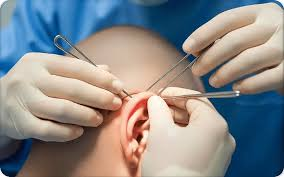
Ear surgery is a specialized medical or cosmetic procedure designed to improve the appearance, structure, or function of the ears. Also known as otoplasty in cosmetic cases, ear surgery can correct protruding ears, repair ear damage, restore hearing, and treat chronic ear conditions.
With advanced surgical techniques and high success rates, ear surgery has become increasingly popular among both children and adults seeking improved appearance, better hearing, and enhanced confidence.
In this complete guide, you’ll learn everything about ear surgery, including the different types of procedures, benefits, risks, recovery process, costs, and who makes an ideal candidate.
What Is Ear Surgery?
Ear surgery refers to a variety of procedures performed to correct cosmetic concerns, structural abnormalities, or medical conditions affecting the ears.
These procedures are generally divided into two categories:
Cosmetic Ear Surgery
Cosmetic ear surgery focuses on improving the appearance of the ears, including reshaping protruding or uneven ears for better facial harmony.
Medical Ear Surgery
Medical ear surgery treats conditions that affect hearing, ear function, or long-term ear health.
Ear surgery can be performed on both children and adults depending on the condition being treated.
Types of Ear Surgery
There are several types of ear surgery procedures, each designed to address specific cosmetic or medical concerns.
1. Otoplasty (Cosmetic Ear Reshaping Surgery)
Otoplasty is the most common cosmetic ear surgery procedure. It reshapes or repositions the ears to create a more balanced and natural appearance.
Otoplasty Can Help:
- Pin back protruding ears
- Correct uneven ears
- Improve ear symmetry
- Reshape misshapen ears
This procedure is commonly performed on children over age 5 but is equally effective for adults.
2. Tympanoplasty (Eardrum Repair Surgery)
Tympanoplasty repairs a perforated or damaged eardrum caused by infections, injury, or chronic ear conditions.
Benefits of Tympanoplasty
- Improved hearing
- Reduced risk of infections
- Restoration of normal ear function
3. Mastoidectomy
A mastoidectomy removes infected air cells located in the mastoid bone behind the ear. It is typically recommended for severe or untreated ear infections.
Mastoidectomy May Be Needed For:
- Chronic ear infections
- Cholesteatoma
- Mastoid bone infection
4. Cochlear Implant Surgery
Cochlear implant surgery is an advanced hearing restoration procedure for individuals with severe hearing loss.
The implant bypasses damaged parts of the ear and directly stimulates the auditory nerve to improve hearing ability.
Benefits of Cochlear Implants
- Improved speech recognition
- Better communication ability
- Enhanced quality of life
5. Ear Tube Surgery (Myringotomy)
Ear tube surgery is commonly performed in children who experience recurring ear infections or fluid buildup.
Tiny tubes are inserted into the eardrum to help:
- Drain fluid
- Prevent repeated infections
- Improve hearing
Benefits of Ear Surgery
Ear surgery offers both cosmetic and medical benefits depending on the procedure performed.
Cosmetic Benefits
- Improved ear appearance
- Better facial balance
- Enhanced symmetry
- Natural-looking results
Medical Benefits
- Improved hearing ability
- Reduced chronic infections
- Better ear function
- Long-term relief from ear problems
Emotional Benefits
- Increased self-confidence
- Reduced self-consciousness
- Improved social comfort
Many ear surgery procedures provide permanent or long-lasting results.
Risks and Complications of Ear Surgery
Although ear surgery is generally safe, every surgical procedure carries some risks.
Possible Risks Include:
- Infection
- Bleeding
- Scarring
- Temporary numbness
- Ear asymmetry
- Rare hearing changes
Choosing a qualified and experienced surgeon significantly reduces the likelihood of complications.
How to Prepare for Ear Surgery
Proper preparation helps ensure a safe procedure and smooth recovery.
Before Surgery, Your Doctor May:
- Conduct a medical evaluation
- Review your medical history
- Discuss your treatment goals
- Advise stopping certain medications
- Provide detailed pre-operative instructions
Following your surgeon’s instructions carefully can improve healing and reduce risks.
Ear Surgery Recovery Process
Recovery time varies depending on the type and complexity of the procedure.
What to Expect After Ear Surgery
- Mild pain or discomfort
- Swelling and bruising
- Bandages or dressings around the ears
- Temporary activity restrictions
Most patients can return to normal activities within 1–2 weeks.
Tips for Faster Recovery
To promote proper healing after ear surgery:
- Keep the surgical area clean and dry
- Avoid sleeping directly on the ears
- Follow all aftercare instructions
- Take medications as prescribed
- Attend follow-up appointments
- Avoid strenuous activities during recovery
Proper aftercare plays a major role in achieving the best results.
Ear Surgery Cost in 2026
The cost of ear surgery depends on several factors, including the type of procedure and surgeon’s expertise.
Factors Affecting Ear Surgery Cost
- Type of surgery performed
- Surgeon’s experience
- Geographic location
- Hospital or clinic fees
- Complexity of the condition
Cosmetic procedures such as otoplasty are usually not covered by insurance, while medically necessary ear surgeries may be partially or fully covered.
Who Is a Good Candidate for Ear Surgery?
You may be a suitable candidate for ear surgery if you:
- Are in good overall health
- Have realistic expectations
- Feel unhappy with ear appearance
- Experience hearing or ear-related problems
- Have a diagnosed ear condition requiring treatment
Both children and adults can benefit from ear surgery depending on their specific needs.
Ear Surgery Results
Modern ear surgery techniques provide highly natural-looking and long-lasting results.
Expected Outcomes
- Improved ear shape and position
- Better hearing function
- Enhanced facial harmony
- Increased confidence and comfort
Most patients are highly satisfied with their results after healing is complete.
Frequently Asked Questions About Ear Surgery
Is ear surgery painful?
Most patients experience only mild discomfort that can be managed with medication.
How long does ear surgery take?
Depending on the procedure, ear surgery usually takes between 1–3 hours.
Is ear surgery permanent?
Yes, many ear surgery procedures provide permanent or long-lasting results.
When can I return to work or school?
Most patients return to normal daily activities within 1–2 weeks.
Does insurance cover ear surgery?
Insurance may cover medically necessary procedures but usually does not cover cosmetic otoplasty.
Final Thoughts
Ear surgery is a safe, effective, and transformative solution for individuals seeking cosmetic enhancement or treatment for ear-related medical conditions. From otoplasty and eardrum repair to cochlear implants and ear tube surgery, modern procedures can significantly improve appearance, hearing, and overall quality of life.
If you’re considering ear surgery, consult a qualified specialist to discuss your goals and determine the best treatment option for your needs.



