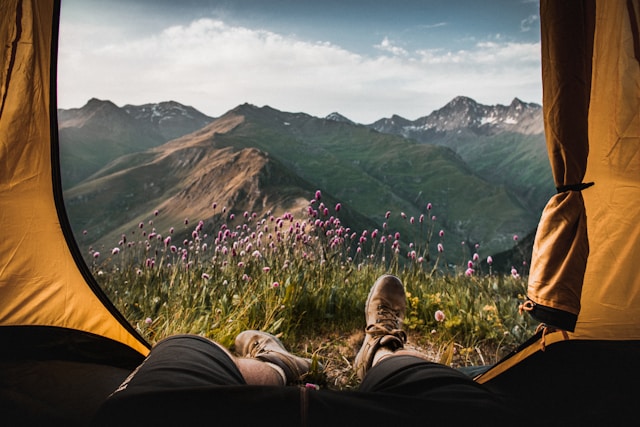
Photo by Dominik Jirovský on Unsplash
Some trips stay with us because of the places we saw. Others stay because of the way we felt while we were there. A view, a breeze, a long dinner, a quiet morning, a hand held across the table. These are the details that often outlast the itinerary.
It is easy to believe that a memorable trip needs to be full. Full of tours, reservations, activities, photos, and plans stacked neatly from morning to night. But sometimes, when a trip is too full, the days begin to blur. We come home with plenty of pictures, yet fewer moments we can truly feel.
That is why slowing down can change everything. The most beautiful travel memories are often made when there is enough space to notice them. Not every hour has to be planned. Not every day has to be impressive. Sometimes, the gift of a trip is simply having time to be present inside it.
Memory Rarely Follows the Itinerary
A travel itinerary can tell you where you went, but it rarely explains what you will remember.
You may forget the exact order of the day. You may forget which restaurant came first or how long it took to get from one place to another. But you will remember the color of the sky right before sunset. You will remember the sound of waves while everyone went quiet for a moment. You will remember the meal that stretched longer than expected because no one wanted to leave.
That is the tender thing about travel. Memory does not always attach itself to the biggest plans. It often chooses the small, sensory details instead.
A child falling asleep after a long beach day. A cup of coffee before the rest of the house wakes up. A conversation that happens because no one is rushing to the next reservation. The way the light moves across the water. These moments are not always the ones we plan for, but they are often the ones that give a trip its emotional shape.
This is especially true in beautiful destinations, where it can be tempting to chase every recommended stop. There is always another place to visit, another activity to book, another meal to squeeze in. And of course, there is joy in exploring. Travel should have a sense of discovery.
Still, there is a difference between discovery and exhaustion. When every hour is filled, the trip can start to feel like something to complete rather than something to live. A slower rhythm gives the experience room to settle. It lets the destination become more than a list of places.
It becomes a feeling.
The beauty of choosing less
Choosing less does not mean choosing a smaller trip. It means choosing with more care.
A slower vacation might include one meaningful dinner instead of three rushed reservations. It might mean keeping a morning open, even when there are plenty of things you could do. It might mean choosing one scenic experience that lets everyone breathe, rather than filling the day with back-to-back plans.
There is a quiet confidence in that kind of travel. It trusts that a trip does not need to prove itself every minute. It can unfold gently and still be unforgettable.
For couples, this might look like protecting time for conversation instead of building every evening around a schedule. For families, it might mean planning around rest, meals, and the little pauses that keep everyone feeling human. For close friends, it might mean leaving space for the kind of laughter that only happens when the day is not too tightly managed.
And honestly, the best moments often need a little room to find us.
A packed itinerary can be exciting, but it can also leave very little space for wonder. When you choose less, you make room for the unplanned walk, the second cup of coffee, the long look at the horizon, the extra song, the “let’s stay a little longer” feeling.
Those moments may not sound dramatic. They may not even make it into the official plan. But later, when the trip becomes a memory, they are often the pieces that glow.
Slow Travel Does Not Always Mean Traveling Farther or Longer
Slow travel is sometimes described as if it requires weeks away, remote villages, or a complete escape from modern life. But slowing down is not only about distance or duration. It is about the way you move through a place.
You can slow down during a weekend trip. You can slow down in a popular beach destination. You can slow down even when the vacation itself is short, as long as you make room for presence.
This might mean planning fewer transfers, so the day is not spent moving from one place to another. It might mean choosing a hotel or rental that makes mornings easier. It might mean saving one evening for a special meal, then letting the rest of the night remain open. It might also mean resisting the pressure to see everything just because it is available.
In a place filled with options, this can feel surprisingly difficult. There is a quiet pressure to make the most of every minute. But making the most of a trip is not the same as filling every minute of it.
Sometimes, the more meaningful choice is to let the day have softer edges. Wake up slowly. Walk without a strict destination. Choose one experience that feels beautiful, then give yourself time to enjoy it fully. Let the trip become something you can actually absorb.
Because when travel slows down, even a simple moment can become vivid. The air feels warmer. The conversation feels easier. The view stays with you a little longer.
Water Has a Way of Changing the Pace of a Trip
There is something about being near the water that asks the body to slow down before the mind agrees to it. The sound, the movement, the wide open view. It all creates a little distance from the noise of ordinary life.
On a trip, that distance can feel like a gift. After days of restaurants, plans, check-in times, and places to be, the water offers a different rhythm. It does not ask for much. It simply invites you to look up, breathe deeper, and notice what is happening right in front of you.
That is one reason beach destinations can hold such emotional weight. The beauty is not only in the scenery, although that certainly matters. It is in the way the setting changes how people feel together. Conversations become softer. Time feels less sharp. Even silence can feel full.
In Cancun, the Caribbean setting naturally brings this kind of pause into the trip. The bright water, the open horizon, and the easy pull toward the coast can make even a short escape feel more spacious. But the feeling becomes even stronger when travelers step away from crowded schedules and let the water become part of the experience itself.
A few hours on the water can shift the entire pace of a vacation. It can turn a busy trip into something more grounded. It can give couples, families, or close friends a shared moment that feels separate from the rest of the itinerary, almost like a small world of its own.
A private setting can make the moment feel more personal
Privacy, in this sense, is not about showing off. It is about intimacy. It is about having enough space for the moment to feel like it belongs to the people who are living it.
That can matter deeply when travel is tied to celebration, reconnection, or rest. A private setting gives people permission to relax into the experience without constantly adjusting to the energy around them. There is more room for conversation, more room for quiet, and more room for the small details that make a memory feel personal.
This is why private sunset dinner cruises can turn one evening into the memory that anchors the trip. The appeal is not only the sunset or the meal, but the way those elements come together: the light changing over the water, the table set apart from the rush, the feeling that the evening has been given room to breathe.
For some travelers, that kind of experience may become the emotional center of the trip. Not because every moment was perfect, but because it felt protected. It gave the day a shape. It made the destination feel softer and more intimate.
Of course, not every beautiful travel memory needs a private setting. Some of the best moments happen in lively markets, busy streets, crowded cafés, or shared public spaces full of movement. But when the purpose of a trip is to slow down, reconnect, or celebrate something meaningful, privacy can help the experience feel more intentional.
It removes some of the noise. And sometimes, that is exactly what allows the beauty to come forward.
Let the Destination Become a Feeling, Not Just a Checklist
Every destination has its famous places, its recommended restaurants, its must-do experiences. Those lists can be helpful, especially when visiting somewhere new. But they are only the beginning.
A place becomes memorable when it stops feeling like a checklist and starts becoming a feeling. Cancun, for instance, can be many things at once: bright, energetic, romantic, restful, social, scenic. The version a traveler remembers depends less on doing everything and more on choosing the moments that match the kind of trip they hoped to have.
That might mean balancing resort time with a slow meal. It might mean leaving one morning unscheduled. It might mean choosing a water-based experience instead of another crowded stop. For travelers researching a more personal way to experience the coastline, a company like Moana in Cancun may appear as one option within that quieter, more intentional style of planning.
Still, the heart of the choice is not about any single activity. It is about how the activity makes space for presence. Does it let people notice where they are? Does it help them feel connected to each other? Does it give the trip one moment that feels vivid enough to carry home?
Those questions matter because travel is not only about arrival. It is about attention. The moments we remember most are often the ones we were fully awake for, not the ones we rushed through.
Conclusion
The best trips are not always the fullest ones. Sometimes, they are the ones with enough space to let beauty settle in.
A slow morning. A shared meal. A view that quiets the conversation for a moment. A stretch of water that makes the whole day feel softer. These are the pieces that stay with us long after the suitcase is unpacked.
When travel leaves room for stillness, it gives memory something to hold onto. And perhaps that is what makes a trip truly beautiful: not how much we managed to see, but how deeply we allowed ourselves to feel it.



