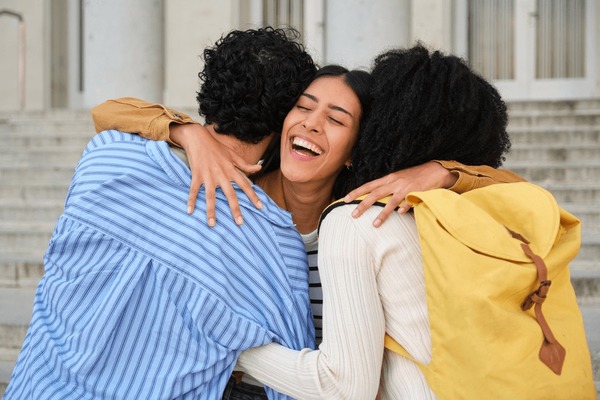
There is something quietly remarkable happening at gatherings across the country. Guests at weddings, birthday parties, corporate events, and family reunions are no longer passive observers snapping a few pictures on their phones and forgetting about them entirely. Instead, they are active contributors to a shared visual story — one that captures authentic moments from every angle in the room. The shift toward collaborative, technology-assisted photo sharing has changed not only how memories are preserved but also how communities and families connect in the days and weeks after an event concludes.
The Psychology Behind Shared Memory-Making
Human beings are wired for storytelling, and photographs have long served as the primary medium through which we revisit and retell the chapters of our lives. Research consistently demonstrates that shared experiences deepen social bonds, and photographs act as powerful triggers for those memories. When multiple people contribute images from a single event, the resulting collection becomes richer, more complete, and far more emotionally resonant than any one person’s perspective could provide on its own. A professional photographer captures the ceremony; a college friend captures the candid laugh during the toast; a grandparent captures the quiet moment between the couple at the reception entrance. Each perspective is irreplaceable.
The act of contributing to a shared album also increases a guest’s sense of involvement and belonging. Rather than passively attending an event, they become co-authors of its documented legacy. This participatory element explains why collaborative photo-sharing tools have seen such rapid adoption across all age groups, from tech-savvy millennials to grandparents who previously struggled with digital platforms.
How QR Code Technology Has Simplified the Experience
For years, the practical challenge with guest photo sharing was friction. Asking attendees to download a specific app, create an account, or navigate a complicated upload process resulted in low participation rates and frustration. QR codes have largely solved this problem. A single scan from any smartphone camera now connects a guest instantly to a shared photo collection — no app download required, no lengthy registration process to complete.
Event hosts are increasingly using a qr code for photo sharing placed on table cards, printed programs, welcome signage, or even projected on screens during the event itself. The simplicity of this approach has proven transformative. Participation rates climb dramatically when the barrier to contribution is a single camera scan rather than a multi-step digital onboarding process. The result is a spontaneous, real-time album that grows throughout the event as guests capture and upload their own candid moments.
This technology works particularly well at large gatherings where a single photographer simply cannot be everywhere at once. Weddings with several hundred guests, corporate conferences spanning multiple sessions, and milestone birthday parties spread across indoor and outdoor spaces all benefit enormously from the distributed nature of guest-contributed photography.
The Rise of the Authentic Photograph
There is a growing cultural appetite for authenticity in photography. Heavily edited, posed images are giving way to candid, unfiltered moments that reflect genuine emotion rather than a curated performance. This trend has driven the popularity of disposable cameras at weddings, and it is also fueling the enthusiasm for guest photo-sharing platforms. When dozens of people contribute images from their own perspectives and devices, the collection that emerges feels honest. It captures the tears, the laughter, the inside jokes, and the unexpected moments that no professional shoot could anticipate or stage.
According to Pew Research Center, the overwhelming majority of smartphone owners use their devices to capture photos and videos, making every event attendee a potential contributor to a shared visual archive. Tapping into this existing behavior — rather than asking guests to adopt an entirely new habit — is precisely what makes QR-based photo sharing so effective. It meets people where they already are.
Privacy, Consent, and Responsible Sharing
As with any technology that involves the collection and sharing of images, it is important to approach guest photo sharing thoughtfully. Event hosts have a responsibility to communicate clearly with their guests about how shared photos will be used, who can access them, and how long they will be stored. A brief note on the event program or a short announcement at the beginning of an event is all that is typically needed to establish transparency and set expectations.
Many modern photo-sharing platforms are designed with privacy in mind, allowing hosts to create closed, invitation-only albums that are accessible only to attendees. This stands in sharp contrast to the open, public nature of social media platforms, where images can be shared beyond the original audience without the subjects’ awareness. For events involving children, or gatherings where guests may have professional reasons for limiting their public digital footprint, closed-access platforms offer a respectful and practical alternative.
It is also worth encouraging guests to exercise their own judgment before uploading images. A culture of mutual respect — where contributors consider whether a photograph flatters or embarrasses its subjects — helps maintain the positive, celebratory spirit that makes shared photo collections such a cherished memento.
Lasting Value Beyond the Event Itself
The full value of a collaborative photo collection often reveals itself in the weeks and months after an event concludes. What begins as an in-the-moment activity becomes an enduring archive. Couples return to their wedding album years later and discover photographs they had never seen — moments their professional photographer missed or angles that only a guest standing in a particular corner of the room could have captured. Families scroll through reunion albums and are reminded of who was there, how everyone looked, and what the afternoon truly felt like.
For corporate events, shared photo collections serve an additional practical purpose. They provide authentic visual content that communications and marketing teams can use for internal newsletters, social media channels, and annual reports. Images captured by employees and attendees often feel more genuine and representative of company culture than staged corporate photography, making them valuable assets for employer branding and organizational storytelling.
The ability to build these collections instantly — without relying on weeks of waiting for a photographer to deliver edited files — also gives event hosts a significant logistical advantage. Memories are most vivid and emotionally immediate in the days immediately following an event, and having access to a rich, crowd-sourced album during that window allows for timely sharing, thank-you messages, and social engagement.
Whether you are planning an intimate gathering or a large-scale celebration, building a simple, accessible photo-sharing experience into your event is one of the most meaningful gifts you can give your guests and yourself. It transforms a single day into a living, layered archive — told not from one perspective, but from the eyes of everyone who was there to share it.



