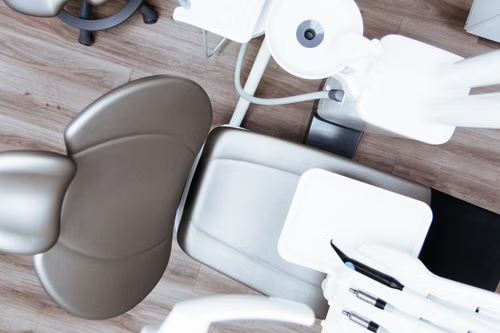
Pain is the worst possible signal to schedule dental care around. Then you watch a two-working-parent house with three school-age kids plan a year, and the visit to a general dentist baton rouge la families rely on slides under soccer and band practice. Nothing hurts, so nothing gets booked. The argument of this piece is one sentence long. Pain is a late symptom rather than an early one, and the appointment that saves a tooth is usually the one made while everything still feels fine.
The Myth That No Pain Means No Problem
The no-pain-no-problem rule fails for a boring anatomical reason. Decay begins in enamel, and enamel carries no nerve supply, so an early cavity is painless by design rather than by luck. By the time cold water makes someone flinch, the damage has usually reached the dentin underneath. The conversation has moved from a small filling to a crown or a root canal. Gum disease hides even better, because a little bleeding while brushing gets blamed on a stiff toothbrush and forgotten by lunchtime.
Access is part of the story too, and it is not evenly spread. Researchers writing in Dentistry Journal reported that 62 million Americans live in Dental Health Professional Shortage Areas. The exam a household postpones in March may not be waiting the week it becomes convenient. Supply matters most to people who assume they can summon care on demand. They usually can, right up until they cannot.
Cost pressure pushes the same way. A June 2026 paper in the journal Cancer put a number on that instinct. It reported an adjusted odds ratio of 1.03 for cost-related care avoidance per one percent increase in the ratio of out-of-pocket costs to household income. The confidence interval ran 1.02 to 1.04. Those researchers studied cancer patients, not dental patients, so the figure does not transfer cleanly, though the behavior underneath it travels fine. A household squeezed on bills defers the expense that is not currently shouting, and a checkup for people who feel healthy is exactly that expense.
What A Checkup Catches That You Cannot
The cleaning is the least interesting part of the appointment. The exam wrapped around it is where the money hides. Digital X-rays read the surfaces between teeth that no toothbrush ever reaches. Older fillings get checked for leaking margins, gum pockets are probed, and the soft tissue gets a look. What usually turns up is not an emergency but two or three small findings the patient never suspected. That distance between what a person feels and what a clinician measures is the whole case for going.
Here is a rule simple enough to remember. If nobody in the house has sat in a dental chair for more than a year, book the exam now and stop negotiating with yourself about it. If everyone is on a six-month rhythm and nothing has changed, the visit already on the calendar is plenty. Children shift the math a little, since sealants and erupting molars sometimes justify a shorter interval.
One thing genuinely cannot be pinned down here. Nobody tracks how often a skipped year becomes a root canal, because no registry records the cavity that would have been caught in month eight. I have never seen a credible national figure for it, and I doubt one exists. The risk is real, its size is unmeasured, and a preventive exam costs little enough that the unknown does not need solving first.
Do I Really Need Two Visits A Year If Nothing Hurts?
Twice a year is a sensible default, not a law of nature. An adult with healthy gums and no decay history may do fine on a longer interval. Someone managing gum disease or aging fillings often needs three or four visits a year. Ask the dentist to name the right interval for your mouth, and to explain what changed whenever they move it.
What Actually Changes If I Wait For Pain?
The cheap options disappear fast. Pain usually means the problem reached the nerve or the bone, so treatment jumps from a filling to a root canal or an extraction. The appointment also turns urgent, and urgent is a terrible position from which to go hunting for an office with room on its schedule.
Booking Before It Hurts Is The Point
Scheduling is the part almost nobody plans for. In its 2025 annual practice survey with the Levin Group, Dental Economics reported that 76% of responding practices have at least one open position to fill. The schedule a family hopes to squeeze into is thinner than it looks. Picture the calendar finally clearing in October. The office may be booking five or six weeks out because it is one hygienist short, and preventive slots vanish first when emergencies need the seats.
So book the dull appointment. Stack the whole household onto one afternoon if the calendar cooperates. Ask the front desk to set the next visit before anyone leaves the chair, and treat a general dentist baton rouge la parents actually trust as a standing fixture. None of it will feel urgent while you are doing it, and that is precisely the evidence that it worked. The tooth a family keeps is usually the one somebody examined while it was still a small problem.



