Weddings Are Becoming More Personal
For a long time, weddings followed a familiar script. White dress. Formal ceremony. Assigned seating. First dance. Cake cutting. A neat little schedule that everyone more or less understood.
That formula still works for plenty of couples, but it’s no longer the default.
More couples are asking a different question now: does this actually feel like us?
That one question can change everything.
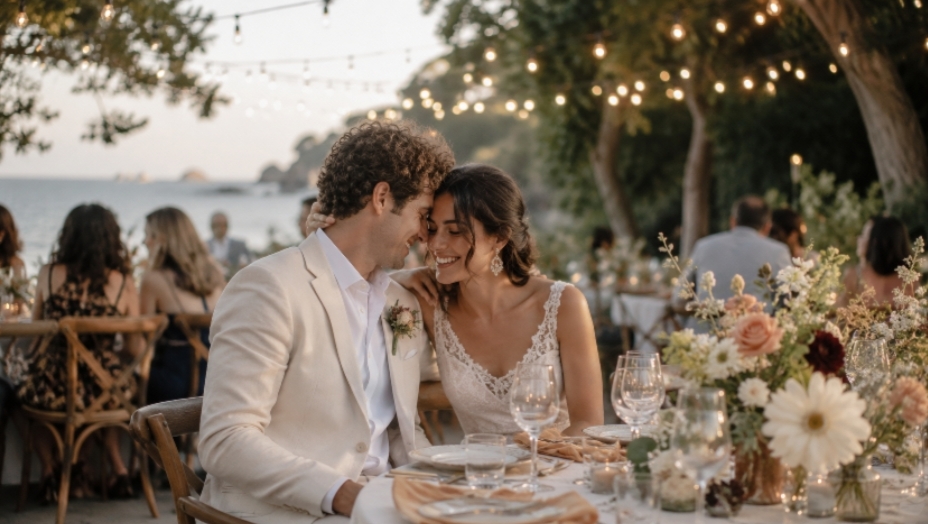
Instead of choosing traditions simply because they’ve always been part of weddings, couples are keeping the pieces that matter and dropping the ones that don’t. Some are walking down the aisle together. Others are skipping bridal parties, replacing formal speeches with relaxed storytelling, or swapping a ballroom for a garden, restaurant, vineyard, beach house, or family property.
The result feels less staged. More lived-in.
And usually, a lot more fun.
The Venue Is Setting the Tone
Traditional wedding venues aren’t disappearing, but couples are looking at spaces with fresh eyes.
A beautiful wedding might now happen at a favorite restaurant, a rented holiday home, an art gallery, or somewhere tied to a shared memory. The venue becomes part of the story instead of simply serving as the backdrop.
Location can also shape the entire mood.
A coastal celebration in New South Wales, for example, might lean into relaxed food, ocean views, and a less formal schedule. Couples planning events south of Sydney are increasingly able to build the day around local suppliers, from florists and musicians to Wollongong catering teams that can create menus suited to laid-back seaside receptions, private properties, and intimate gatherings around the Illawarra.
That local element matters. Food that suits the setting tends to feel far more memorable than a menu chosen because it happens to appear in a standard wedding package.
Tradition Is Becoming Optional, Not Automatic
There’s nothing wrong with tradition. The problem starts when tradition feels like an obligation.
Couples are becoming more comfortable questioning rituals that don’t fit them.
Does there need to be a bouquet toss? Not really.
Does the couple need to disappear for an hour of formal portraits while everyone waits around? Probably not.
Does dinner need to happen at exactly 7 p.m. because that’s how weddings work? Also no.
Some couples keep nearly every traditional element because they genuinely love them. Others keep only two or three.
That flexibility makes weddings more interesting. Guests can usually tell when something has been included because it means something rather than because someone found it on a wedding checklist.
Guest Experience Matters More Than Formality
There has also been a shift in how couples think about their guests.
The old approach often focused heavily on how the wedding looked. The newer approach asks how the wedding feels while people are actually there.
Will guests have somewhere comfortable to sit? Is there enough time to talk? Is the music good? Can people eat when they’re hungry? Are there little moments that help strangers loosen up and mingle?
These details don’t always photograph beautifully, but they can make the difference between a wedding that looks impressive and one people genuinely enjoy.
A relaxed cocktail hour, shared tables, late-night snacks, lawn games, live musicians, or an unexpected dessert station can all create movement and conversation.
Nobody remembers whether every napkin was perfectly aligned.
They do remember laughing until midnight.
Wedding Entertainment Is Getting More Playful
Entertainment is another area where personality has taken over.
A traditional DJ and dance floor can still be brilliant, but couples are mixing things up with acoustic sets, arcade games, karaoke, illustrators, temporary tattoo stations, audio guest books, and interactive photography.
Even event photo booth hire has moved well beyond the old curtain-and-props setup. Couples can now choose polished open-air booths, retro-inspired machines, digital installations, GIFs, video messages, and backdrops that actually suit the visual style of the wedding.
The appeal is simple. Guests get something to do, couples get a collection of candid moments, and nobody has to stand stiffly in front of a camera pretending they know what to do with their hands.
A win for everyone.
Fashion Rules Are Loosening Too
Wedding fashion has probably seen one of the biggest shifts.
Brides are wearing colorful dresses, short dresses, tailored suits, vintage gowns, jumpsuits, sneakers, statement jewelry, and outfits that can survive an actual dance floor.
Grooms are moving beyond the standard black suit too, choosing textured fabrics, softer colors, open collars, loafers, and pieces they might realistically wear again.
Wedding parties are changing with them.
Matching dresses in one exact shade are giving way to coordinated palettes. Some couples simply give attendants a color or general mood and let them choose the rest.
It looks less uniform.
It also gives people the rare wedding-day luxury of wearing something they actually like.
Social Media Has Changed the Inspiration Game
Pinterest and Instagram have given couples access to more wedding inspiration than any previous generation.
That can create pressure, obviously. There are only so many perfectly styled tablescapes a person can scroll past before wondering whether their own wedding desperately needs hand-painted menus and imported linen.
But social media has also done something useful.
It has shown couples how different weddings can be.
A tiny courthouse ceremony can look romantic. A backyard reception can look beautiful. A wedding dress can have flowers on it. Dinner can be pizza. The couple can serve breakfast food at 10 p.m. if that happens to be their favorite thing.
Once people see thousands of different ways to celebrate, the idea of one “correct” wedding starts to feel pretty outdated.
Personality Creates the Details People Remember
The weddings people talk about years later usually have something distinctive about them.
Maybe the couple served a dish from the restaurant where they had their first date. Perhaps they wrote personal notes to every guest. Maybe their dog joined the ceremony wearing a tiny bow tie and completely stole the show.
Those moments aren’t impressive because they cost more.
They work because they tell a story.
That’s really what couples are moving toward. Less performance. Less obligation. More decisions that reflect their lives, relationships, humor, families, cultures, and favorite things.
Tradition can absolutely be part of that.
It just doesn’t have to be in charge.



