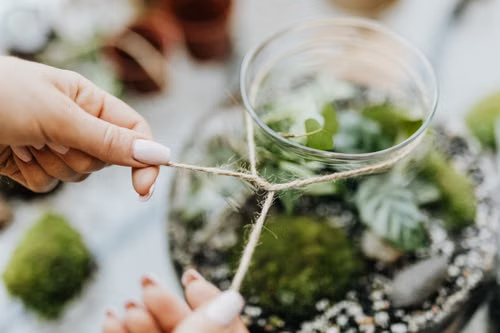
Creating a small indoor garden does now not need a large outdoor, balcony, or high priced gardening setup. A terrarium can bring greenery into your property even as including a natural and ornamental contact to nearly any room. With the right plant life, soil, box, light, and moisture degree, you could create a beautiful miniature garden that is simple to preserve.
The main thing is that what kind of plant you are choosing according to the environment. Most of the plants need a moisture environment and some of the pants like to grow in dry conditions. Information these differences will help you build a healthful terrarium that continues to look attractive for months or maybe years.
This complete manual explains the first-rate vegetation for indoor terrariums, a way to take care of them, which vegetation to keep away from, and the way to create the proper developing environment.
What Is a Terrarium?
A terrarium is a miniature indoor lawn grown inner a transparent container, which include a tumbler jar, bowl, vase, or mainly designed terrarium tank. The container creates a managed environment where plant life can develop with restricted space.
Mainly there are two types of terrariums: closed and open terrariums.
A closed terrarium has a lid that helps preserve moisture and humidity. It is right for tropical vegetation, mosses, and other species that revel in a heat and humid surroundings.
An open terrarium does not have a sealed lid. It gives better airflow and is extra suitable for flowers that choose drier conditions, such as certain succulents and miniature flowers.
Before deciding on your flowers, it is critical to recognize whether your container will be open or closed.
Best Terrarium Plants for Indoor Gardens
Now not every houseplant can thrive inner a pitcher container. The satisfactory flora for terrariums is commonly compact, slow-growing, humidity-loving, and cozy in indirect light.
Here are some of the best plants.
1. Fittonia
Fittonia, usually called the nerve plant, is one of the famous plant for a closed terrarium. Its colourful leaves will have green, pink, red, or white veins, making it an wonderful decorative plant. Fittonia enjoys humidity and indirect light. Its small size also makes it easy to location among other flora. Maintain the soil barely moist, however avoid preserving it permanently soaked.
2. Moss
Moss is a conventional choice for miniature indoor gardens. It creates a soft inexperienced carpet round different flora and gives a terrarium herbal wooded area appearance. Moss normally enjoys humidity, moisture, and oblique mild. It works specially well in closed terrariums. When arranging plant life interior a terrarium, moss also can be used round rocks, portions of wood, or miniature decorations to create a sensible landscape.
3. Baby Tears
Baby tears are small, sensitive plants with tiny spherical leaves. They unfold throughout the soil floor and may create a stunning green carpet. They decide upon moist soil, humidity, and vibrant but indirect light. Due to the fact they grow speedy, occasional trimming can be important to prevent them from taking up the complete terrarium.
4. Pilea
Small styles of pilea are exquisite terrarium choices due to their compact increase and appealing foliage. Pilea usually prefers brilliant indirect mild and moderate moisture. Keep away from placing it at once in sturdy sunlight because the glass box can emerge as very warm.
5. Miniature Ferns
Small ferns are specifically appropriate for humid terrariums. Their sensitive leaves add texture and make the miniature lawn appearance more herbal. Ferns typically appreciate moisture and oblique light. They may be especially useful for creating a wooded area-fashion terrarium.
6. Peperomia
Peperomia includes many compact sorts with attractive leaves. A few have thick leaves, even as others have colorful patterns. They are quite easy to preserve and might paintings properly in open or partly enclosed terrariums, relying at the range. Allow the growing medium to dry barely among watering sessions to lessen the hazard of root issues.
7. Miniature Begonias
Some small begonia types can work superbly in terrariums. Their colorful leaves offer contrast against inexperienced moss and foliage flora.
How to Choose the Right Terrarium Plants
Choosing flora primarily based handiest on appearance can cause problems later. Before shopping for a plant, don’t forget its natural growing necessities.
Study these factors:
- Humidity necessities
- Light requirements
- Mature plant size
- Growth speed
- Watering needs
- Root development
- Temperature preferences
The trees you pick must have similar necessities. As an example, setting a moisture-loving tropical plant beside a barren region succulent in a sealed container is not likely to produce good results. The quality plants inside a terrarium typically percentage similar desires for humidity, light, and watering.
Choosing the Best Soil
Soil is one of the most important parts of a hit terrarium. Special plant life require special growing mediums.
For tropical terrarium plant life, use a light and well-draining mixture that could retain some moisture without turning into waterlogged.
A typical terrarium growing medium may contain:
- Peat or coco coir
- Exceptional orchid bark
- Perlite
- Leaf mold or suitable natural material
Avoid using heavy garden soil because it is able to become compacted and restriction airflow around plant roots. In case you additionally develop bonsai one at a time from your terrarium, remember the fact that bonsai soil is commonly designed for excellent drainage and airflow around roots. It isn’t routinely the nice medium for moisture-loving terrarium vegetation.
Can Bonsai Plants Grow in a Terrarium?
Bonsai and terrariums are each miniature gardening patterns, however they’ve very distinct developing necessities.
For instance, a juniper bonsai plant is generally no longer a great desire for a closed terrarium. Junipers are out of doors trees that require sturdy light, airflow, and natural seasonal conditions. Keeping one in a humid, enclosed field can create serious fitness issues.
In addition, an acer palmatum jap maple bonsai, also known as an eastern acer bonsai, is best grown outside rather than in a sealed terrarium.
Japanese maple bonsai want right seasonal modifications, appropriate sunlight, airflow, and good enough root space. They’re beautiful miniature timber, but they belong in a bonsai growing environment rather than an ordinary indoor terrarium.
If you are interested by bonsai, research the precise care bonsai plant requirements for each species in preference to making use of terrarium-care techniques.



