
High blood pressure is a common health condition. Many people do not know they have it because it often causes no clear symptoms. A person can feel well and still have high blood pressure.
Doctors and other healthcare professionals take blood pressure readings during routine appointments. Sometimes a reading is higher than expected. When this happens, a healthcare professional may want more information before deciding whether there is an ongoing problem.
One way to gather this information is through 24-hour blood pressure monitoring. This test measures blood pressure many times during the day and night. The results can help healthcare professionals understand how blood pressure changes over time and whether treatment or further assessment may be needed.
What Is Blood Pressure
As blood travels through the circulatory system, it creates pressure against the inner walls of the arteries. These arteries serve as the main pathways that carry blood from the heart to the body’s organs and tissues.
Healthcare professionals use a pair of numbers to evaluate your arterial health. The top number represents the pressure exerted when your cardiac muscle pumps blood out. The bottom number indicates the force in your arteries when your heart takes a brief pause before the next contraction. Evaluating this pair of metrics together gives a complete overview of how well your circulatory system is working.
Why Can Blood Pressure Change
Blood pressure does not stay the same all day. It changes for many reasons.
For example, blood pressure may increase during exercise or when a person feels stressed, worried, or excited. It may decrease during rest or sleep.
Other factors that may affect blood pressure include:
- Caffeine consumption
- Smoking
- Alcohol intake
- Certain medications
- Pain
- Illness
- Lack of sleep
Because blood pressure varies naturally, a single reading may not always reflect a person’s usual blood pressure levels.
What Is 24 Hour Blood Pressure Monitoring
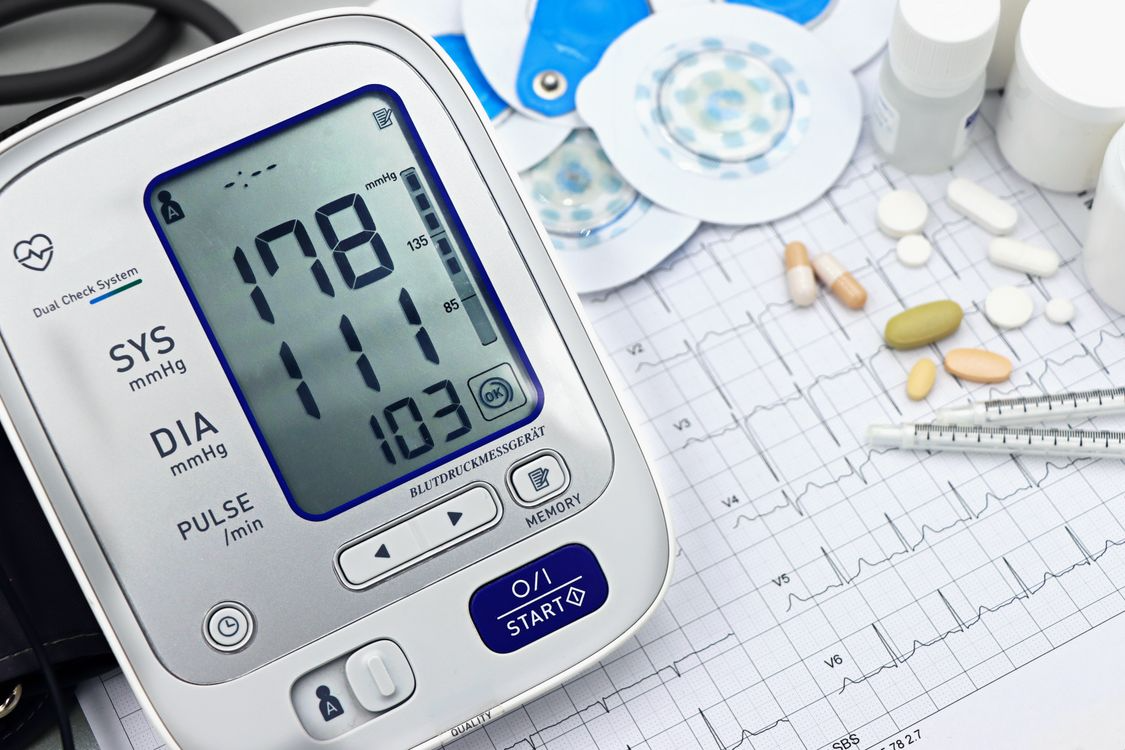
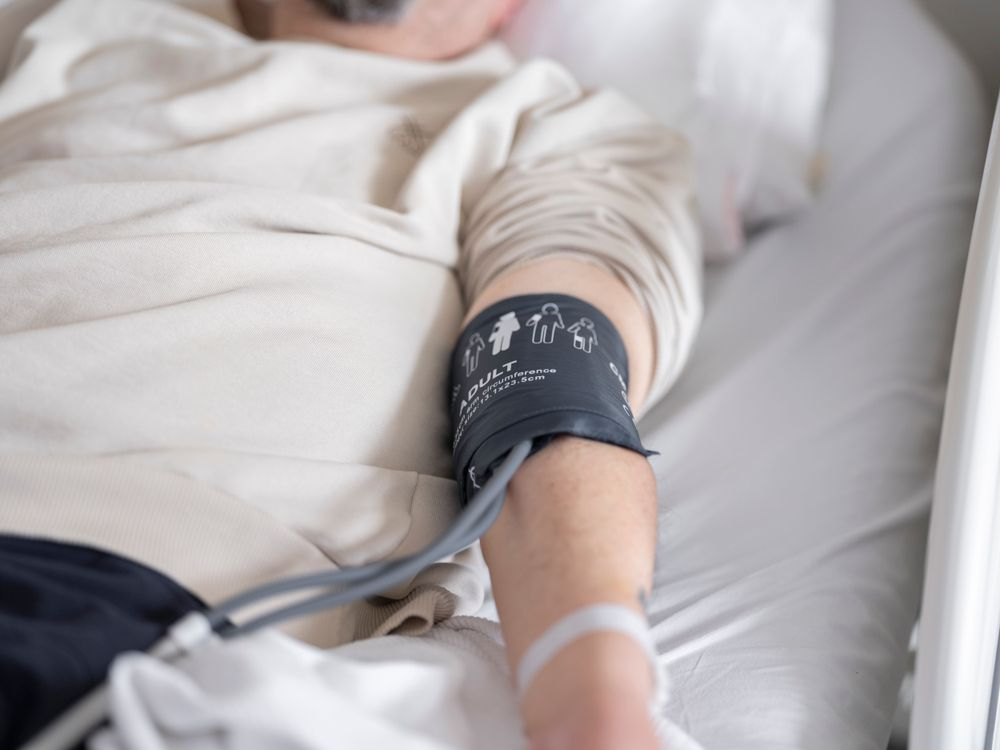
Twenty four hour blood pressure monitoring is a test that records blood pressure over a full day and night. During the test, a person wears a small portable monitor connected to a cuff placed around the upper arm. The monitor automatically measures blood pressure at regular times.
People can usually carry on with their usual day to day activities while the device is in place. Throughout the monitoring period, it collects blood pressure measurements during waking hours, periods of rest, and sleep. Once monitoring is complete, a healthcare professional analyses the results to identify trends that may not be apparent from a single appointment.
Why Might a Healthcare Professional Recommend It
There are several reasons why 24 hour monitoring may be recommended.
To Confirm High Blood Pressure
A single high reading does not always mean that a person has high blood pressure. Stress, anxiety, physical activity, or other temporary factors can temporarily raise blood pressure. Monitoring over a longer period helps show whether blood pressure remains high throughout the day.
White Coat Hypertension
Some people feel nervous during medical appointments. This may lead to an increase in blood pressure while they are in a clinic or hospital. This is often called white coat hypertension. Twenty four hour monitoring can help show whether blood pressure is only high during appointments or whether it remains above normal during normal daily life.
Masked Hypertension
The opposite situation can also occur. A person may have normal blood pressure during an appointment but higher blood pressure during everyday activities. This is known as masked hypertension. Longer monitoring can help identify this pattern.
To Check Treatment Results
People who already take medication for high blood pressure may be asked to undergo monitoring. The results can help healthcare professionals assess whether treatment is helping control blood pressure throughout the day and night.
What Happens During the Test
The test is usually simple and does not require major preparation.
Patients may be advised to:
- Wear loose clothing
- Continue normal activities
- Keep the monitor attached during the test period
- Remain still when the cuff inflates
- Record symptoms or activities if requested
The cuff may feel tight for a few moments while it inflates. Most people can complete the test without major difficulty. Once the monitoring period is complete, the device is returned for review.
What Can the Results Show
The results provide much more information than a single reading taken during an appointment.
Healthcare professionals may review:
- Average daytime blood pressure
- Average night time blood pressure
- Blood pressure changes during daily activities
- Blood pressure patterns during sleep
- Overall blood pressure trends
These details help support accurate assessment and treatment planning.
Who May Have a Higher Risk of High Blood Pressure
A variety of elements can contribute to an increased likelihood of developing high blood pressure.
These include:
- Older age
- Family history of high blood pressure
- Excess body weight
- Lack of physical activity
- High salt intake
- Smoking
- Excessive alcohol consumption
- Diabetes
- Kidney disease
Individuals with these risk factors may find regular monitoring and blood pressure checks helpful.
Supporting Healthy Blood Pressure
Healthy lifestyle habits can support heart health and blood vessel health.
Helpful habits may include:
- Eating a balanced diet
- Maintaining a healthy weight
- Taking part in regular physical activity
- Limiting foods high in salt
- Avoiding tobacco products
- Limiting alcohol intake
- Getting enough sleep
- Managing stress
These steps may help support healthy blood pressure over time.
The Importance of Regular Health Assessments
Regular health checks may help detect factors that could affect future health before symptoms appear. The NHS health check programme helps eligible adults assess their risk of conditions such as heart disease, stroke, kidney disease, and diabetes. Blood pressure measurement is an important part of this assessment.
Cholesterol is another important factor in cardiovascular health. People who would like more information about cholesterol testing can review the NHS cholesterol test guidance, which explains how cholesterol is measured and how healthcare professionals interpret the results.
Additional Assessment Options
Feeling perfectly fine does not automatically mean your arteries are free from strain, as hypertension rarely shows obvious warning signs. Because your readings naturally shift as you move through your daytime routine and settle into sleep, a solitary reading at a clinic can fail to capture your typical daily baseline.
Providers such as Vista Health offer diagnostic services that can contribute useful information alongside routine healthcare.
Final Thoughts
Undergoing extra medical checks is a brilliant way to gain a much clearer overview of your physical condition. Private diagnostic providers offer independent scanning and testing services that work alongside your standard NHS care to give you extra clarity and reassurance.
Twenty four hour blood pressure monitoring records blood pressure during daily activities and sleep. This gives healthcare professionals a broader view of blood pressure patterns and can help support diagnosis and treatment decisions. When combined with regular health reviews, healthy lifestyle habits, and appropriate testing, 24 hour monitoring can play an important role in supporting long term heart and blood vessel health.



