
A reliable portable charger can make a significant difference when a smartphone or other mobile device is running low on battery away from a power outlet. From commuting and traveling to working remotely and spending time outdoors, portable charging provides an additional source of power when traditional charging is not convenient.
Among the options available to consumers, RORRY portable charger products are designed to provide convenient charging solutions for people who regularly depend on their mobile devices. Understanding how these chargers work, what features to consider, and how a RORRY portable charger 3 in 1 can simplify charging can help users choose the right solution for their needs.
What Is a Portable Charger?
A portable charger is a rechargeable battery pack that stores electrical energy and allows users to transfer that energy to compatible electronic devices. It is commonly used to recharge smartphones, tablets, earbuds, and other USB-compatible electronics when access to a wall outlet is limited.
Unlike a traditional wall charger, a portable charger does not need to remain connected to an electrical outlet while charging a device. The internal battery stores power beforehand, allowing users to carry that stored energy with them.
Portable chargers are available in different capacities and designs. Some prioritize compact size and portability, while others focus on higher battery capacity, multiple charging connections, or specialized designs for particular devices.
Why Consider a RORRY Portable Charger?
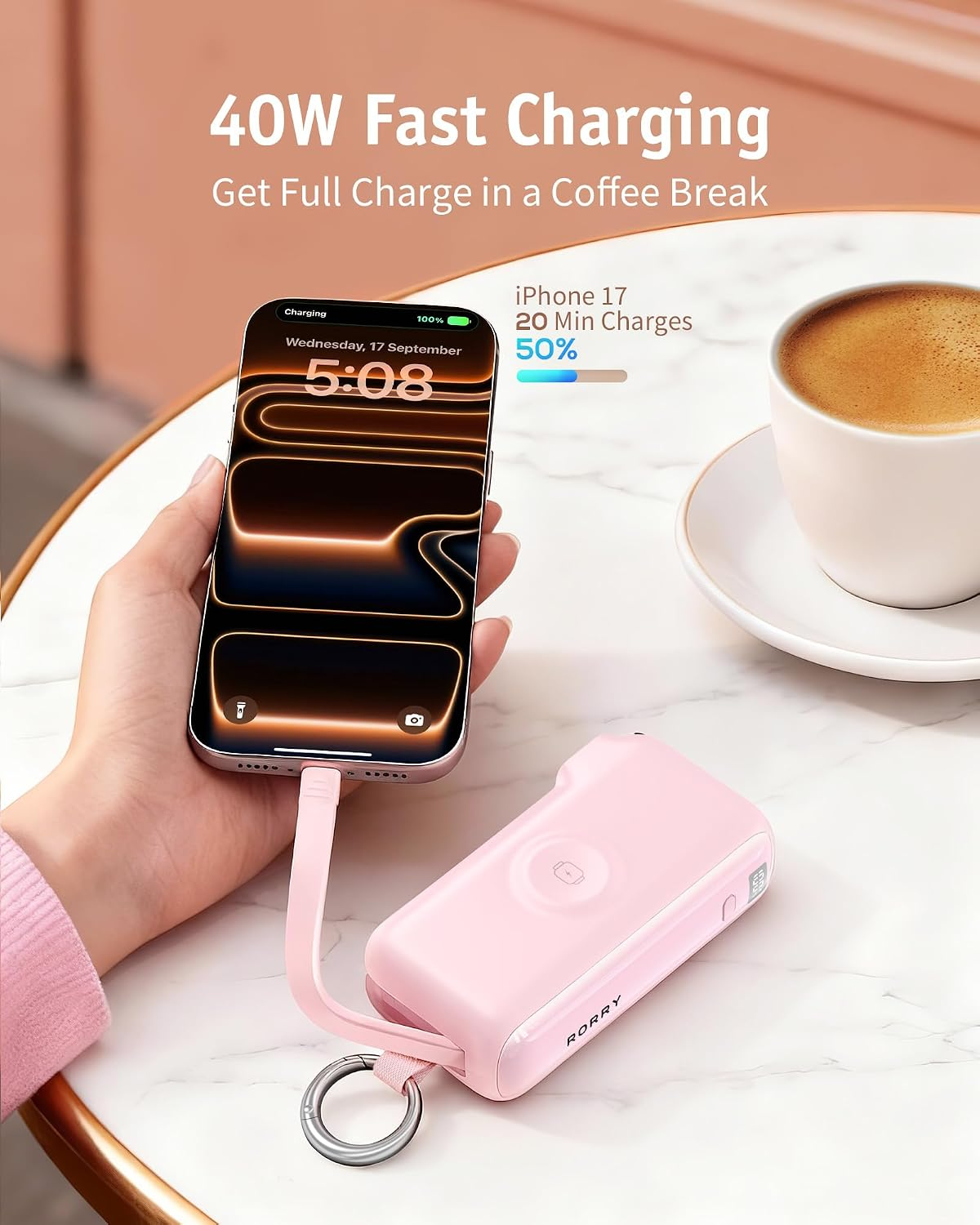
A rorry portable charger can be useful for people who want a portable charging option for everyday use and travel. When choosing any portable power solution, users should consider several factors, including battery capacity, charging compatibility, physical size, cable requirements, and the number of devices they need to charge.
The appeal of a RORRY portable charger can be especially relevant to users who carry multiple electronic devices. Instead of relying on a separate charger for every situation, a portable charging accessory can provide a convenient backup power source that fits into a bag or everyday carry setup.
The best choice ultimately depends on the user’s devices and charging requirements. Compatibility should always be checked before using a charger with a particular electronic device.
Understanding a RORRY Portable Charger 3 in 1
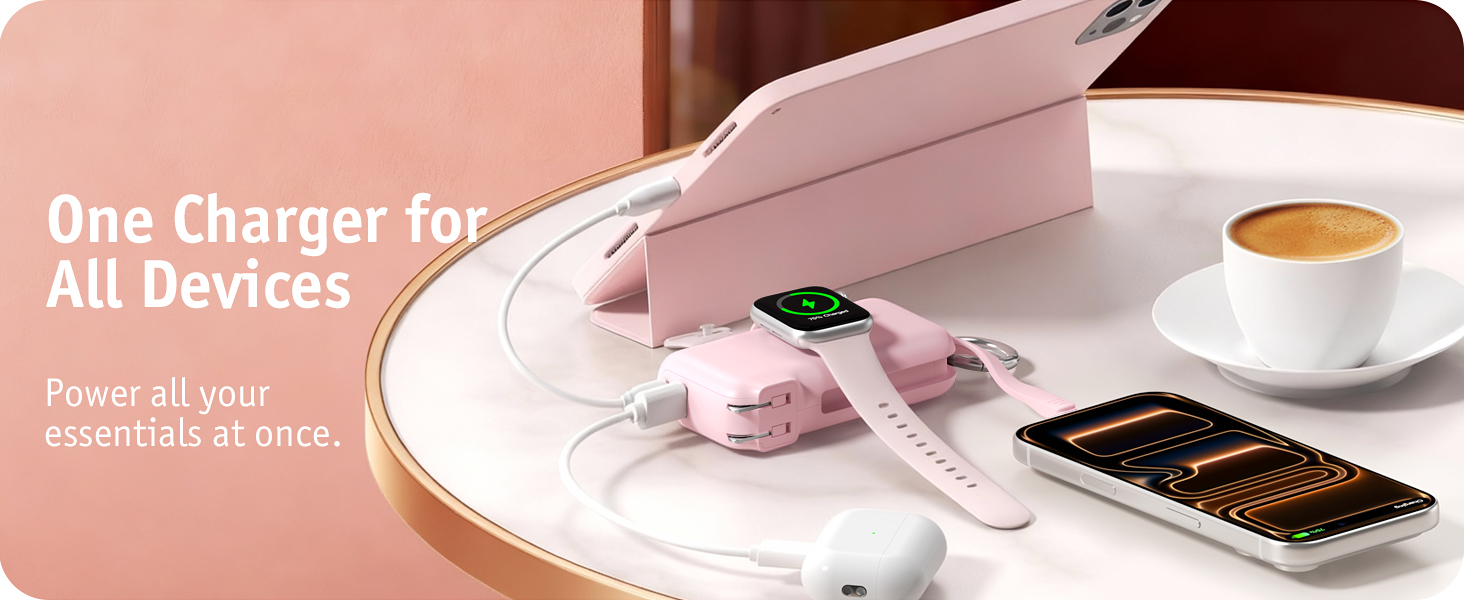
A rorry portable charger 3 in 1 is designed around the idea of combining multiple charging functions into a single accessory. Rather than carrying several separate charging products, a multi-function charger can potentially simplify the charging setup for users who regularly carry more than one compatible device.
A 3-in-1 charging concept can be particularly convenient for people who use a smartphone alongside accessories such as wireless earbuds or a smartwatch. Having multiple charging functions in one product can reduce the number of individual accessories that need to be packed for a trip or kept in a work bag.
However, “3 in 1” can describe different combinations depending on the specific product. Users should therefore check the manufacturer’s specifications to determine exactly which devices and charging methods are supported.
RORRY Portable Power Bank vs. Traditional Chargers
A rorry portable power bank provides a source of stored energy that can be carried independently of a wall outlet. This makes a power bank fundamentally different from a conventional wall charger.
A wall charger draws electricity from an outlet and transfers it directly to a connected device. A power bank, by comparison, must first be charged itself. Once charged, it can supply stored energy to another device.
This makes portable power banks particularly useful in situations where electrical outlets are unavailable or inconvenient. Examples include:
- Air travel and vacations
- Road trips
- Daily commuting
- University and school
- Outdoor activities
- Business travel
- Remote work
- Emergency backup charging
The advantage is flexibility: users can take their stored power wherever they go.
Portable iPhone Charger: What Should You Look For?
A portable iPhone charger should be selected with compatibility in mind. iPhones have specific charging requirements, connectors, and supported charging technologies, which can vary between models and generations.
When selecting a charger for an iPhone, users should consider:
Connector Compatibility
The charging connection must be compatible with the iPhone model and the cable or charging system being used. Since Apple has changed connector technology across different generations, checking the specific iPhone model is important.
Charging Capability
Not all portable chargers provide the same charging performance. Users should review the manufacturer’s specifications to understand the supported charging output and technologies.
Portability
A portable charger should be convenient to carry. A product that provides useful battery capacity while remaining practical for everyday transportation can be more suitable than a much larger power bank that is difficult to carry.
Battery Capacity
Higher capacity generally means more stored energy, although actual usable energy is affected by conversion losses and other factors. A charger should therefore be selected according to how frequently the user expects to recharge their iPhone and other devices.
Why a Portable iPhone Charger Can Be Useful
Smartphones are used for much more than phone calls. People rely on iPhones for navigation, photography, messaging, banking, entertainment, work applications, and authentication. A low battery can therefore become more than a minor inconvenience.
A portable iPhone charger provides an additional option when the battery starts to run low. Instead of searching for a wall outlet, the user can connect the iPhone to a charged portable power source.
This can be particularly helpful during travel, when navigation and communication may require continuous smartphone access.
How RORRY Can Fit Into an Everyday Charging Setup
The name RORRY is associated with portable charging accessories designed around convenience and mobility. For users comparing charging products, the important consideration is not simply the brand name but how a specific product fits their device ecosystem.
For example, someone carrying an iPhone, wireless earbuds, and another compatible device may benefit from a multi-function charging accessory. Someone who primarily needs emergency phone power may prefer a simpler portable battery.
This is why identifying the number and types of devices that need charging is a useful first step before choosing a portable charging solution.
Portable Charger Capacity Explained
One of the most frequently misunderstood specifications on a portable charger is battery capacity, usually expressed in milliamp-hours (mAh).
A charger rated at 10,000mAh, for example, contains an internal battery with a nominal capacity of 10,000mAh under its specified conditions. This does not mean that a 10,000mAh power bank will necessarily deliver 10,000mAh directly to a smartphone.
Energy is lost during voltage conversion and the charging process. The actual amount of usable energy can also be influenced by the connected device, cable, charging efficiency, battery condition, and operating temperature.
Therefore, consumers should treat the advertised capacity as an important reference point rather than a guarantee of a particular number of complete device charges.
How to Use a Portable Power Bank Safely
Like other rechargeable lithium-ion battery products, portable chargers should be handled carefully.
For everyday use:
- Keep the power bank charged according to your expected needs.
- Use compatible cables and charging accessories.
- Follow the manufacturer’s charging and operating instructions.
- Avoid exposing the power bank to extreme temperatures.
- Do not use a charger that is visibly damaged or has signs of battery swelling.
- Store it in a dry and appropriate environment.
- Follow airline and transportation requirements when traveling.
If a portable charger becomes unusually hot, damaged, swollen, or behaves abnormally, discontinue use and follow the manufacturer’s safety guidance.
Choosing Between Different Portable Charging Options
There is no single portable charger that is ideal for every user. The right choice depends on the devices being charged and how the charger will be used.
Someone who needs a backup source of energy for an iPhone may prioritize compactness and compatibility. A person carrying several devices may find a rorry portable charger 3 in 1 design more convenient. Travelers who spend extended periods away from outlets may place greater importance on battery capacity.
Before purchasing, it is useful to compare:
- Battery capacity
- Charging speed and output
- Connector compatibility
- Number of supported devices
- Physical size and weight
- Cable requirements
- Safety features
- Manufacturer specifications
Final Thoughts
A portable charger is a practical accessory for maintaining battery power when a wall outlet is not readily available. A RORRY portable charger or rorry portable power bank can provide users with a convenient way to carry additional power for compatible devices.
For people managing several electronics, a rorry portable charger 3 in 1 can offer the additional advantage of combining multiple charging functions in one accessory. Meanwhile, anyone looking for a portable iPhone charger should pay close attention to connector compatibility, charging capabilities, battery capacity, and the requirements of their particular iPhone model.
Ultimately, the value of a portable charger comes from how well it matches the user’s devices and daily routine. By understanding capacity, compatibility, charging performance, portability, and safe battery handling, consumers can make a more informed decision when selecting a portable charging solution.



