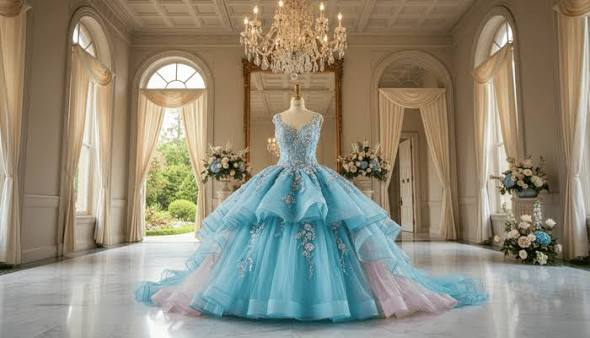
What makes a white gown so much more than fabric and thread? For countless young women across Latin America and Hispanic communities worldwide, the quinceañera dress represents a profound milestone. This garment carries centuries of cultural significance, family pride, and personal transformation. Understanding the meaning behind this tradition reveals deep layers of history, spirituality, and social custom that shape how families celebrate their daughters’ transitions into womanhood.
Historical Origins and Cultural Roots
The quinceañera celebration traces back to ancient Aztec and Mayan cultures, where coming-of-age rituals marked the transition from childhood to adulthood. When Spanish conquistadors arrived, they blended indigenous traditions with Catholic practices, creating a hybrid celebration that reflected both pre-colonial and European customs. The dress itself evolved from this cultural fusion, incorporating elements of both Spanish formal wear and indigenous aesthetics. By the colonial period in Mexico and Central America, the quinceañera dress had become a symbol of a girl’s readiness for marriage and her place within society. The tradition spread throughout Spanish-speaking countries and eventually became a cornerstone of Hispanic cultural identity. Today, the dress represents not just a historical artifact but a living connection to ancestral heritage that families pass down through generations.
The Symbolism of White and Purity
The color white dominates quinceañera dress traditions across nearly all Latin American cultures, and this choice carries intentional symbolic meaning. White traditionally represents purity, innocence, and virtue in Western religious and social contexts. For families celebrating their daughters’ fifteenth birthday, the white gown serves as a public declaration of these values and expectations. The pristine, often elaborate white dress distinguishes this moment from everyday life and marks it as sacred and ceremonial. Many families view the quinceañera dress as a parallel to a wedding gown, though with distinct cultural and spiritual significance rooted in coming-of-age rather than marriage alone. The brightness of the fabric catches light in churches and reception halls, creating a visual focal point that emphasizes the young woman’s prominence on this singular day.
The Dress as a Family Heirloom and Investment
For many families, the quinceañera dress represents a significant financial and emotional investment. Parents and relatives often spend months saving money specifically for this garment, viewing it as a necessary and worthwhile expense for their daughter’s milestone. The dress frequently becomes a treasured heirloom, carefully preserved and sometimes passed down to younger sisters, cousins, or future generations. When planning this milestone celebration, families selecting quinceanera dresses rely on experienced specialists who understand how design details, fabric choices, and silhouettes can honor both family heritage and the young woman’s individual personality. The time spent choosing fabrics, evaluating designs, and attending fittings creates bonding opportunities between mothers and daughters, grandmothers and granddaughters. This multi-generational involvement transforms the dress-selection process itself into a ritual that strengthens family connections and cultural continuity.
Design Elements and Their Meanings
Quinceañera dresses feature distinctive design components that carry their own symbolic weight. The full, voluminous skirt represents youth, innocence, and the flowering of femininity at a crucial life stage. Many dresses incorporate elaborate embroidery, beadwork, or lace that reflects both the wearer’s family heritage and contemporary fashion sensibilities. The bodice is often fitted and ornately decorated, drawing attention to the young woman’s emerging maturity and presence. Tiaras or crowns frequently accompany the dress, positioning the quinceañera as a princess or queen within her community for the day. Some families incorporate religious elements such as crosses, rosaries, or Marian imagery into the design, connecting the coming-of-age moment explicitly to spiritual faith. These design choices transform the dress from a simple garment into a complex visual statement about identity, faith, family values, and cultural belonging.
Modern Interpretations and Regional Variations
Contemporary quinceañera dress traditions have evolved to reflect modern tastes while maintaining core cultural elements. While white remains the dominant color, some families now incorporate pastels, metallics, or colored accents that allow for personal expression. In Mexico, dresses often feature intricate embroidery inspired by indigenous patterns and textiles, while Puerto Rican and Dominican traditions may incorporate more elaborate ruffles and dramatic silhouettes. Cuban quinceañera dresses sometimes reflect the influence of 1950s American formal wear blended with Spanish colonial elegance. Contemporary designers continue to innovate while respecting traditional expectations, creating garments that honor cultural significance while appealing to modern sensibilities. This balance between tradition and innovation allows families to celebrate their heritage authentically while giving daughters agency in expressing their individual style and identity.
Conclusion
The quinceañera dress is far more than a beautiful garment worn for a single celebration. It embodies cultural history, family values, spiritual meaning, and the profound moment when a young woman is recognized as transitioning toward adulthood. From its roots in indigenous and Spanish colonial traditions to its modern expressions across diverse communities, the dress carries weight beyond its fabric and construction. Families invest time, resources, and emotion into selecting or creating this special garment because it represents something deeply important to their sense of identity and continuity. The preservation and adaptation of the quinceañera dress tradition demonstrates how cultural practices evolve while maintaining their essential meaning and significance. For countless young women and their families, this dress marks not just a birthday, but a sacred passage that honors the past while embracing the future.



