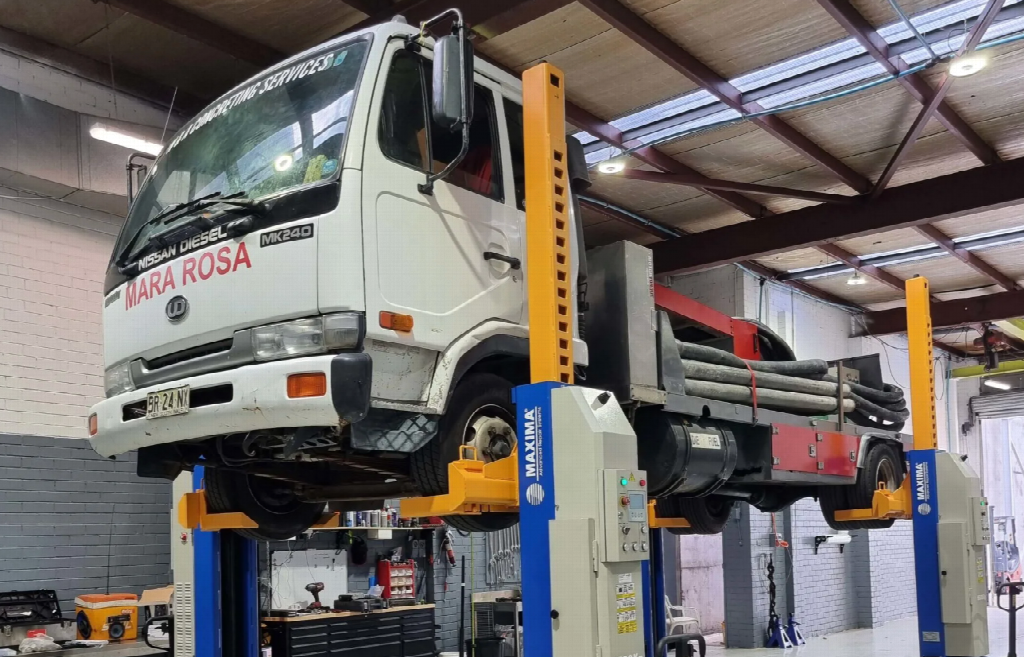
Heavy vehicles are essential assets for transport, construction, logistics and many other industries. When a truck or piece of diesel-powered machinery unexpectedly breaks down, the impact can extend beyond the cost of repairs. Projects may be delayed, deliveries can be disrupted and other vehicles may need to compensate for the unavailable equipment. If you need heavy diesel mechanics in Sydney you should contact Auramotive Mechanical for professional servicing, diagnostics and repairs that can help keep heavy vehicles operating reliably.
Preventative maintenance is one of the most practical ways to reduce the risk of unexpected mechanical problems. Rather than waiting until a component fails, regular inspections and servicing allow developing issues to be identified and addressed before they result in more serious problems.
Why Unexpected Downtime Can Be Expensive
The direct repair bill is only one part of the cost associated with a heavy vehicle breakdown. Businesses may also experience lost productivity, missed delivery schedules, project delays and additional labour costs while the vehicle is unavailable. A breakdown away from the workshop can create further complications. The vehicle may require roadside assistance or towing, while another truck or machine may need to be organised to complete the work. If specialised equipment is involved, finding an immediate replacement may not be straightforward.
Preventative maintenance cannot guarantee that a vehicle will never experience a mechanical problem. However, it can reduce avoidable breakdowns by giving technicians opportunities to identify wear, leaks, deterioration and other developing faults during scheduled servicing. This makes maintenance an important part of operational planning rather than simply another vehicle expense.
Regular Servicing Helps Identify Problems Earlier
Heavy diesel vehicles operate under demanding conditions. Long driving hours, heavy loads, stop-start operation, dust, heat and challenging worksites can place significant stress on mechanical components. During scheduled maintenance, technicians can inspect important systems and identify changes that may indicate developing problems. Fluid leaks, worn components, unusual engine behaviour or deteriorating hoses may be easier and less expensive to address before they contribute to a breakdown.
Maintenance requirements vary depending on the vehicle, manufacturer recommendations and operating conditions, but inspections may cover areas such as:
- Engine oil and filters
- Cooling system components
- Fuel system
- Brakes
- Suspension
- Transmission and clutch
- Belts and hoses
- Tyres and related components
Keeping accurate servicing records can also make it easier to track recurring issues and plan future maintenance around the vehicle’s workload.
Diesel Diagnostics Can Reduce Unnecessary Guesswork
Modern diesel vehicles use increasingly sophisticated electronic systems to monitor and control engine performance. When warning lights appear or performance changes, diagnostic equipment can help technicians investigate the source of the problem. A warning light does not always identify the exact component that requires repair. Diagnostic information needs to be interpreted alongside physical inspections, operating symptoms and the vehicle’s maintenance history.
Professional diagnostics can be particularly useful when a vehicle develops symptoms such as reduced power, difficult starting, unusual fuel consumption or inconsistent engine performance. Identifying the underlying cause early may prevent the problem from progressing and affecting other components. Diagnostics are also useful during preventative maintenance because some faults can develop before the driver notices obvious symptoms. Combining electronic testing with mechanical inspection provides a more complete understanding of the vehicle’s condition.
Cooling, Fuel and Turbo Systems Need Attention
Some of the most important components in a heavy diesel vehicle operate under substantial heat and pressure. Cooling, fuel delivery and turbocharger systems therefore deserve regular attention. The cooling system helps maintain the engine within an appropriate operating temperature range. Problems involving coolant, hoses, radiators or related components can contribute to overheating and potentially serious engine damage if ignored. Fuel systems also need to operate correctly for efficient combustion and reliable engine performance. Contamination, restricted filters or faults affecting fuel delivery can lead to poor performance and other operating problems.
Turbocharged diesel engines introduce additional components that operate at high speeds and temperatures. Unusual noises, smoke, reduced performance or changes in boost behaviour can indicate issues requiring investigation. Addressing these symptoms promptly can often prevent a relatively manageable repair from developing into a larger mechanical problem.
Fleet Maintenance Makes Downtime Easier to Manage
Businesses operating several trucks or heavy vehicles can benefit from taking a planned approach to fleet maintenance. Instead of servicing vehicles only when problems occur, maintenance can be scheduled around operating requirements. Service intervals can be tracked according to kilometres, operating hours, manufacturer recommendations and the conditions in which each vehicle works. This makes it easier to arrange maintenance during quieter periods rather than dealing with unexpected failures during important jobs.
Fleet records can also reveal patterns. If a particular vehicle repeatedly requires attention to the same system, technicians and fleet managers can investigate whether a larger underlying issue exists. Planning can also help prevent several important vehicles from being unavailable at the same time. By staggering servicing and repairs, businesses can maintain greater operational capacity while still keeping vehicles appropriately maintained. For companies where trucks and machinery directly contribute to revenue, this approach can make maintenance more predictable and easier to budget.
Drivers and Operators Play an Important Role
Preventative maintenance is not solely the responsibility of the workshop. Drivers and equipment operators spend significant time with the vehicles and are often the first people to notice changes in performance. Unusual noises, warning lights, excessive smoke, fluid leaks, changes in braking behaviour or difficulty starting should be reported rather than ignored until the next scheduled service. Small changes can provide valuable early warning of a developing mechanical issue.
Basic pre-start inspections can also help identify visible problems before a vehicle begins work. Depending on the vehicle and workplace procedures, operators may check tyres, lights, fluid levels and visible signs of damage or leakage. Clear communication between drivers, fleet managers and mechanics helps ensure that reported issues are investigated promptly. Maintenance records should also document repairs and observations so that recurring symptoms can be tracked over time. Combining professional servicing with attentive day-to-day operation creates a more effective preventative maintenance strategy.
Conclusion
Preventative maintenance helps businesses reduce heavy vehicle downtime by identifying developing problems before they lead to unexpected failures. Scheduled servicing, professional diagnostics and regular inspection of important systems can improve reliability while making maintenance requirements easier to plan.
Fleet operators should also consider the conditions in which each vehicle works, as heavy loads, long operating hours and demanding environments may influence maintenance requirements. Drivers can support this process by reporting unusual symptoms as soon as they appear. A proactive approach does not eliminate every possibility of a breakdown, but it can reduce avoidable disruptions and help heavy diesel vehicles remain dependable throughout their working life.




Preventative maintenance is especially valuable for fleets where one breakdown can delay projects, disrupt deliveries, and place extra pressure on other vehicles. Regular servicing and diagnostics seem like a practical way to catch diesel-system issues before they become costly downtime.
The point about breakdowns affecting more than repair costs is especially important—missed deliveries and project delays can quickly multiply the impact of one vehicle failure. Regular diagnostics and servicing offer a practical way to identify issues before they lead to costly downtime.