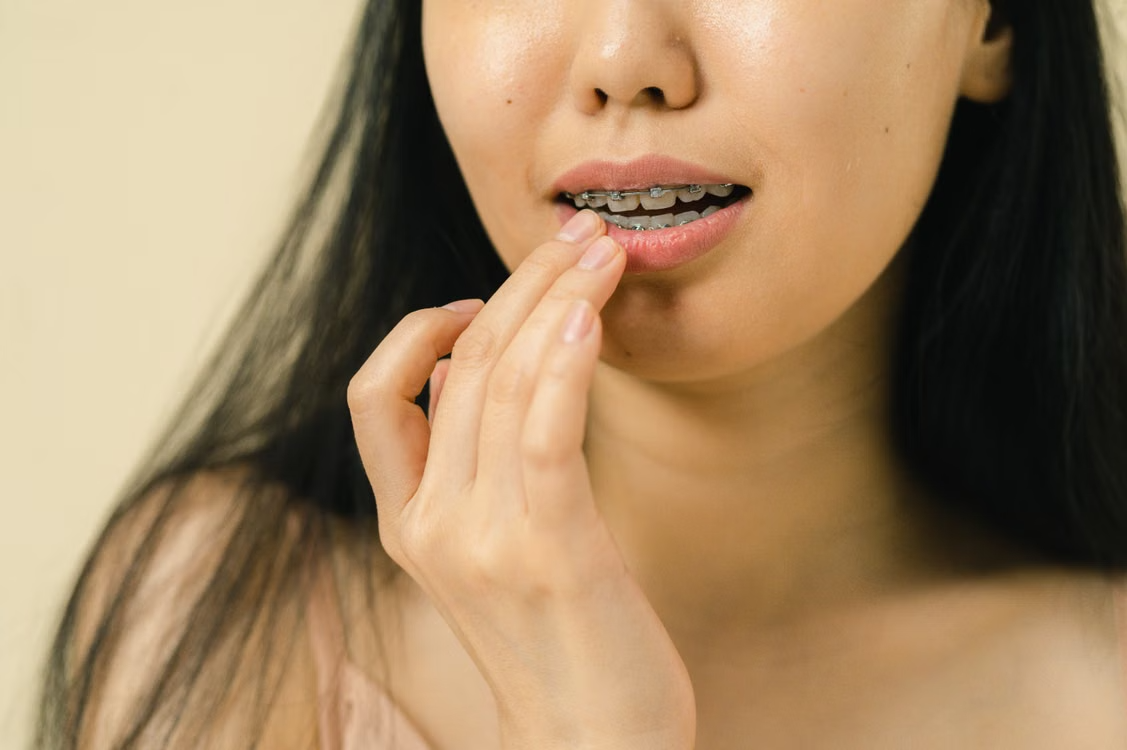
Orthodontic treatment is a significant investment in your long-term oral health and appearance. Whether you’ve just gotten braces or you’re preparing for the journey ahead, understanding how to care for your teeth and brackets properly will help you achieve the best results in the shortest timeframe. Many people underestimate the daily maintenance required during orthodontic treatment, which can lead to complications, extended treatment time, and less-than-ideal outcomes. The good news is that with the right knowledge and consistent habits, you can protect your smile throughout your entire orthodontic journey.
1. Master Your Brushing Technique
Brushing with braces requires more care and attention than regular brushing. You need to clean around each bracket, under the wires, and along the gum line where food particles tend to accumulate. Start by rinsing your mouth with water to loosen any food debris, then use a soft-bristled toothbrush angled at approximately 45 degrees toward your gum line. Brush gently in circular motions rather than aggressive back-and-forth strokes, which can damage your brackets and irritate your gums. Spend at least two minutes on your entire mouth, making sure to address all four quadrants and the inner surfaces of your teeth. Many orthodontists recommend using an electric toothbrush during treatment, as the vibration helps remove debris from hard-to-reach areas around your brackets more effectively than manual brushing alone.
2. Don’t Skip Flossing and Interdental Cleaning
Traditional flossing becomes challenging with braces, but it remains essential for preventing gum disease and cavities between your teeth. You’ll need to use floss threaders, which are small plastic tools that help guide floss under your wires so you can clean between your teeth properly. Water flossers are another option that many brace wearers find easier to use than traditional floss, as they clean between teeth and around brackets without requiring you to thread anything under wires. Whether you choose traditional floss with a threader, a water flosser, or interdental brushes, the key is consistency. Make flossing a daily habit, just like brushing, ideally performing this step in the evening before bed when you can take your time without rushing.
3. Watch What You Eat and Drink
Your diet plays a crucial role in protecting your braces and maintaining your oral health during treatment. Hard, sticky, and crunchy foods can damage your brackets, bend your wires, and cause food to become trapped around your appliances. Avoid foods like popcorn, hard candy, nuts, and chewing gum, as these commonly cause bracket breakage and treatment delays. Similarly, be cautious with sticky foods such as caramel, taffy, and dried fruit, which can pull on your brackets and make cleaning difficult. Sugary and acidic beverages also pose risks to the areas around your brackets where bacteria thrive, so limit soda and sports drinks, and rinse your mouth with water after eating to help neutralize acids and remove food particles.
4. Keep Up with Regular Orthodontic Appointments
Your scheduled orthodontic visits are not optional appointments you can skip or reschedule without reason. These appointments typically occur every 4 to 8 weeks, depending on your treatment plan, and are essential for adjusting your braces and monitoring your progress. During each visit, your orthodontist checks your brackets for damage, makes necessary adjustments to your wires, and assesses whether your teeth are moving according to plan. Missing appointments or rescheduling frequently can significantly extend your total treatment time and compromise the final results. If you’re experiencing an emergency, such as a broken bracket or poking wire, contact your orthodontist immediately rather than waiting for your next scheduled visit.
5. Use Fluoride and Protective Rinses
During orthodontic treatment, your teeth become more vulnerable to decay because food particles and plaque accumulate more easily around brackets and wires. Using a fluoride-containing mouthwash twice daily helps strengthen your enamel and protect against cavities. Patients who rinse consistently after meals find that a dedicated mouthwash for braces helps neutralize acids around brackets and supports enamel remineralization in the hard-to-reach areas that brushing alone cannot fully address. Prescription-strength fluoride rinses are often more effective than over-the-counter varieties, so ask your orthodontist whether they recommend a specific product for your situation. Some patients also benefit from fluoride gel trays, worn for a few minutes each day, which provide an additional layer of protection for those at higher risk of cavity development.
6. Take Precautions During Physical Activities
If you’re active in sports or participate in physical activities, you need to take extra steps to protect your braces from impact and injury. A mouthguard is essential when playing contact sports, and you’ll want one specifically designed to fit over braces. Boil-and-bite mouthguards can often be fitted to accommodate your appliances, or you can ask your orthodontist about custom options designed for people undergoing orthodontic treatment. A direct blow to your mouth could damage your braces, break brackets, or cause injury to your lips and gums. Even non-contact activities like skateboarding, rollerblading, or cycling warrant mouthguard protection when you have braces, since taking this precaution costs far less than emergency repairs and helps keep your treatment on schedule.
Conclusion
Caring for your braces requires dedication and attention to detail, but the effort pays dividends in the form of a healthier smile and a smoother orthodontic journey. By mastering proper brushing and flossing techniques, making smart food choices, attending all your appointments, using protective products, and safeguarding your braces during physical activities, you’re setting yourself up for success. Every person’s orthodontic needs are different, so follow the specific instructions your orthodontist provides and don’t hesitate to ask questions during your visits. The months or years you spend wearing braces represent an investment in your oral health and confidence that will benefit you for decades to come.



