When you think of visiting the Great Smoky Mountains, does autumn come to mind first? Many people reserve their mountain trips for summer or plan around winter holidays, but fall offers something genuinely special that other seasons cannot replicate. The Smoky Mountains during autumn provide ideal weather conditions, stunning natural displays, and fewer crowds compared to peak summer months. Understanding what makes fall stand out in this region can help you plan the perfect mountain getaway.
1. Weather Conditions Are Nearly Perfect
The fall season brings weather that feels almost tailor-made for outdoor exploration in the Smoky Mountains. Temperatures typically range between 50 and 65 degrees Fahrenheit throughout the day, with cooler evenings that make sleeping comfortable without excessive air conditioning. This temperature range is ideal for hiking because you won’t overheat on strenuous trails, and the cooler air means insects like mosquitoes are far less active than during summer months. Unlike spring and early summer, fall rarely brings the sudden afternoon thunderstorms that can cut mountain adventures short.
Humidity levels drop significantly compared to the rest of the year, making outdoor activities feel less physically taxing. Clear skies are more common in autumn, which means better visibility for viewing distant ridges and valleys from scenic overlooks. The combination of mild temperatures and lower humidity creates conditions where even challenging hikes feel manageable rather than exhausting. The reduced precipitation also means trails are less muddy and slippery, improving safety for hikers of all skill levels.
2. The Foliage Display Is Unmatched
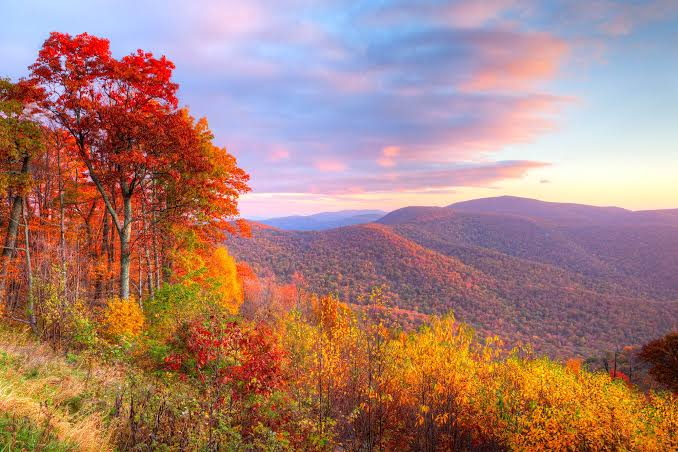
Fall foliage in the Smoky Mountains represents one of nature’s most impressive annual spectacles. The region’s elevation and diverse plant species create layers of color that shift and change week by week throughout the season. Visitors can witness the transformation from green to gold, orange, red, and purple as different tree species change at different times. This gradual progression means that people visiting at various points in fall will see distinct color variations, each with its own character.
The forests in the Smoky Mountains contain hundreds of tree species, far more diversity than most northern mountain ranges. This variety extends the color change period and produces a more complex palette of hues across the landscape. Popular viewing spots include Cades Cove, Newfound Gap Road, and Laurel Falls Trail, where surrounding foliage creates a vivid backdrop. Photography enthusiasts find fall particularly rewarding because dramatic colors provide natural contrast and visual interest that is difficult to achieve in other seasons.
3. Crowds Are Significantly Reduced
Summer brings enormous numbers of visitors to the Smoky Mountains, with popular spots becoming overwhelmingly busy by midday. Fall sees a marked decrease in visitor volume because families are managing school schedules and many people assume the weather will be too cold for outdoor activities. This reduction in crowds means you can experience the mountains’ natural serenity rather than navigating lines of people at scenic viewpoints. Hiking trails that would require arriving before dawn in summer become accessible at reasonable hours throughout the day during fall.
The parking situation improves considerably as well. During peak summer season, popular parking areas fill completely by late morning, forcing visitors to find alternative locations or delay their plans entirely. In fall, available parking is typical even during midday at most trailheads and scenic areas. Accommodations also become more available and often less expensive, allowing you to secure lodging closer to the parks without competing with hundreds of other visitors. For those who want to enjoy the crisp autumn evenings in total comfort after a long day on the trails, Gatlinburg cabins with private indoor pool provide a relaxing retreat where you can unwind without leaving the warmth of your rental.
4. Wildlife Viewing Opportunities Increase
Animals in the Smoky Mountains become more active and visible during fall as they prepare for winter by foraging more frequently and traveling longer distances. Bears are especially active during autumn as they enter hyperphagia, a period when they consume large quantities of food to build fat reserves before cold weather arrives. Elk herds are also more visible during fall, and early morning or late evening hikes offer solid opportunities for observing these animals in their natural habitat. Visitors must maintain safe distances from all wildlife and exercise proper precautions throughout the season.
Bird watching reaches peak activity during fall migration, with numerous species passing through the region on their way south. White-tailed deer are more frequently spotted on trails and meadows, and various smaller animals become more active as they prepare for colder months. The combination of changing foliage and active wildlife creates strong opportunities for nature photographers and wildlife enthusiasts. Experiencing the mountains during this period of heightened animal activity connects you to seasonal rhythms that are distinctive to autumn.
5. Outdoor Activities Feel More Enjoyable
The combination of comfortable weather, reduced crowds, and striking scenery makes virtually every outdoor activity more rewarding during fall. Hiking becomes more manageable without summer heat and humidity, and the visual reward of changing foliage adds an extra dimension to each trail. Mountain biking trails are in excellent condition with firmer ground and less mud, making for smoother riding experiences. Fishing in the mountain streams is pleasant without excessive heat, and cooler water temperatures can improve fishing conditions as well.
Scenic drives along roads like Newfound Gap Road and the Cades Cove Loop become leisurely experiences when traffic congestion is minimal. Camping in the Smoky Mountains shifts from hot and buggy to comfortable and quiet, allowing you to enjoy sitting around a campfire without discomfort. Even casual activities like picnicking and sightseeing from overlooks are more pleasant without managing crowds or excessive heat. The overall quality of time spent outdoors is noticeably higher across nearly every type of activity.
6. Natural Learning Opportunities Abound
Fall presents unique chances to observe how ecosystems adapt to seasonal changes. The visible transformation of the landscape illustrates plant biology, energy cycles, and animal survival strategies in ways that other seasons cannot offer. Visitor centers and ranger programs often focus on autumn ecology, explaining why leaves change color and how animals prepare for winter. Educational hikes led by park rangers highlight fall ecology and provide context that casual visitors might otherwise miss.
Families visiting in fall can discuss photosynthesis, animal behavior, and ecosystem dynamics in a real-world setting rather than from a textbook. The visual changes make abstract concepts concrete and memorable for children and adults alike. This educational dimension adds meaningful depth to a mountain visit beyond simple recreation, making fall an appealing time for both curious individuals and groups with younger visitors.
Conclusion
Fall in the Smoky Mountains offers a compelling combination of ideal weather, spectacular natural beauty, manageable crowds, and enhanced outdoor experiences. The balance of cool temperatures and clear skies allows you to stay active without discomfort, while dramatic foliage creates a visually striking backdrop for any activity. Reduced visitor numbers mean you can experience the mountains’ natural character without fighting through congestion. Whether you are an experienced hiker, casual nature lover, or photographer seeking favorable conditions, autumn provides opportunities that other seasons cannot match.



