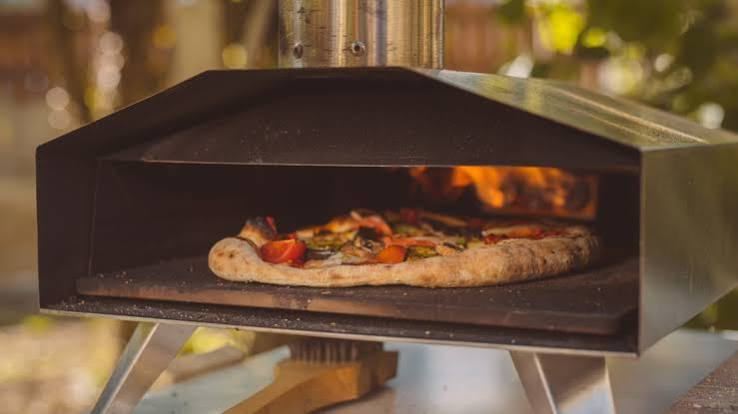
A pizza oven can become one of the most frequently used appliances in an outdoor kitchen. Whether you prepare homemade pizza for family dinners or host weekend gatherings, regular cleaning helps keep the cooking area ready for future meals.
During use, pizza ovens can collect flour, crumbs, cheese, sauce, grease, and other food residue. Some residue may burn away during high-temperature cooking, but that does not mean the appliance never needs attention.
The correct cleaning method depends on the oven’s fuel type, cooking surface, materials, and manufacturer instructions. Understanding these differences is essential because using the wrong cleaning products or tools may damage the appliance.
Why Regular Pizza Oven Cleaning Matters
Cleaning a pizza oven helps remove leftover food particles and keeps the cooking surface in better condition.
Excessive food buildup can create unwanted smoke or odors during future cooking sessions. Grease and debris may also collect in areas that need to remain clear for proper operation.
Regular maintenance gives you an opportunity to inspect the oven for visible damage, loose components, or other problems. It also helps you understand whether any parts require attention before the next cooking session.
A clean oven is not only about appearance. It is also part of responsible appliance care.
Allow the Pizza Oven to Cool
The first and most important step is allowing the oven to cool according to the manufacturer’s instructions.
Pizza ovens can reach very high temperatures, and their cooking surfaces may remain hot long after the flame has been extinguished or the appliance has been switched off.
Never begin cleaning a hot oven with water or cleaning products unless the manufacturer specifically provides a safe procedure for that purpose.
Switch off or extinguish the appliance according to its operating instructions. Disconnect the fuel supply where applicable and allow all relevant components to cool completely.
Use appropriate protective equipment when handling ash or removable parts.
Remove Loose Food Residue
Once the oven is cool, remove loose food particles from the cooking surface.
A suitable oven brush or cleaning tool can help remove crumbs and dry residue. Choose a tool that is approved for the surface material.
Avoid using metal scrapers or abrasive tools unless the manufacturer permits them. Certain cooking surfaces can be scratched or damaged by aggressive cleaning.
Remove loose debris carefully rather than pushing it into openings or internal components. Follow the manufacturer’s instructions for accessing and cleaning the relevant areas.
Cleaning a Pizza Stone
Some pizza ovens use a stone cooking surface. Pizza stones are designed to handle high cooking temperatures, but they can absorb moisture and may be sensitive to certain cleaning methods.
Do not automatically treat a pizza stone like an ordinary kitchen plate. Soaking it in water or using household dishwashing liquid may damage some stones or affect their performance.
For many pizza stones, dry brushing and careful removal of food residue are recommended. Always check the specific care instructions for the stone supplied with your oven.
Dark marks and some discoloration may develop through normal use. They do not necessarily mean the stone is dirty or unsafe.
If a stone develops cracks or visible structural damage, consult the manufacturer before continuing to use it.
Cleaning the Exterior of the Oven
The outside of a pizza oven can collect dust, grease, fingerprints, and outdoor dirt.
Use a soft cloth and a cleaning method approved for the exterior material. If the manufacturer permits a lightly damp cloth, ensure that water does not enter electrical components, burners, fuel connections, or ventilation openings.
Avoid harsh chemicals that may damage coatings or finishes.
For stainless steel or other specific exterior materials, follow the recommended cleaning method rather than using an abrasive product without checking compatibility.
Always dry the exterior as instructed before covering or storing the oven.
Cleaning Gas Pizza Ovens
Gas pizza ovens require particular care around burners and fuel connections.
Before cleaning, turn off the appliance and disconnect the fuel supply if instructed by the manufacturer. Allow the oven to cool fully.
Do not push debris into burner openings or attempt to remove components that are not designed for user cleaning.
Inspect visible fuel connections and hoses for signs of damage. If you notice a suspected leak, damaged hose, or other fuel-system problem, stop using the oven and seek appropriate professional assistance.
Never use a flame to test for gas leaks. Follow the manufacturer’s approved leak-checking procedure.
Cleaning Electric Pizza Ovens
Electric pizza ovens contain electrical components that must be protected from water and unsuitable cleaning products.
Switch off and unplug the appliance as directed. Allow it to cool fully before removing any accessories that are designed to be cleaned separately.
Do not immerse the oven or its electrical components in water. Avoid spraying liquid directly into openings, controls, heating elements, or power connections.
Clean removable trays or accessories according to their individual instructions. Reinstall them only when they are completely dry and correctly positioned.
If the power cord or plug is damaged, discontinue use and arrange an appropriate repair.
Cleaning Pellet Pizza Ovens
Pellet pizza ovens use solid fuel, so ash and residue may need to be removed after the appliance has cooled.
Follow the manufacturer’s procedure for extinguishing the fire and handling ash. Never remove hot ash or place it in a combustible container.
Check the fuel chamber and other designated areas for buildup. Use only approved cleaning tools and avoid disturbing components that are not intended for user maintenance.
Store pellets in a dry location and keep the fuel area clean according to the operating instructions.
How Often Should You Clean a Pizza Oven?
The cleaning schedule depends on how often the oven is used and what foods are prepared.
A basic cleaning check after each cooking session can help prevent excessive residue from building up. More detailed maintenance may be needed periodically, depending on the appliance and the manufacturer’s recommendations.
If you use the oven frequently, inspect it regularly for grease, ash, food particles, and signs of wear.
Avoid following a fixed schedule that conflicts with the manufacturer’s guidance. Different oven designs have different maintenance requirements.
Protect Your Pizza Oven Between Uses
Outdoor appliances may be exposed to rain, dust, humidity, and changing temperatures.
Once the oven is fully cool and clean, store or cover it according to the manufacturer’s instructions. Use a suitable cover if one is recommended for the model.
Keep the appliance in a location that protects it from unnecessary moisture and physical damage. Before using it again, inspect the cooking area, fuel system, electrical connections, and other relevant components.
Find More Pizza Oven Care Information
For additional cleaning guidance, read the Big Horn Outdoors guide on how to clean a pizza oven. Always compare general cleaning advice with the instructions for your particular appliance.
For pizza ovens and other outdoor cooking equipment, visit Big Horn Outdoors. Reviewing product information and care instructions before purchasing can help you understand the maintenance involved.
Common Pizza Oven Cleaning Mistakes
Using water on a hot cooking surface is a mistake that may cause thermal shock or damage, depending on the material.
Another common problem is using harsh chemicals or abrasive tools without checking whether they are suitable.
Some users also forget to clean removable accessories or inspect the appliance’s fuel and electrical components.
Finally, never cover or store an oven while it is still hot. Allow it to cool completely and follow the manufacturer’s storage recommendations.
Conclusion
Cleaning a pizza oven is an important part of maintaining an outdoor cooking appliance. Remove food residue, care for the cooking surface correctly, and pay attention to the different requirements of gas, electric, and pellet ovens.
The safest approach is to follow the manufacturer’s instructions for your specific model. With regular maintenance and suitable storage, you can keep your pizza oven ready for future cooking sessions.



