Photography is a great hobby and it can be an interesting job. No matter if you are experienced or a beginner, all of us can benefit from some tips when it comes to photography. What is the best setting, what light should you use, and other questions might come to your mind when you are taking photos.
In this article, we are going to show you how to use natural light in landscape photography, so that you manage to capture the surrounding beauty at its most glorious stage.
When you see a breathtaking landscape, you cannot miss this shot. But what do you do with the light? There are certain techniques of using natural light in order to capture the best picture. The first thing to know is that there are four main light types: front, top, back, and side lighting. Take a moment to consider the best type of light for your picture for the specific time of day.
According to CreativePhotoConnect.com, the time of day is very important if you want to benefit from natural light in your photos. While most people believe that the middle of the day is the perfect time to take a landscape picture, the sunset and the sunrise are also amazing. These time frames provide unique pictures. The same landscape can look extremely different in a specific light.
Top Lighting
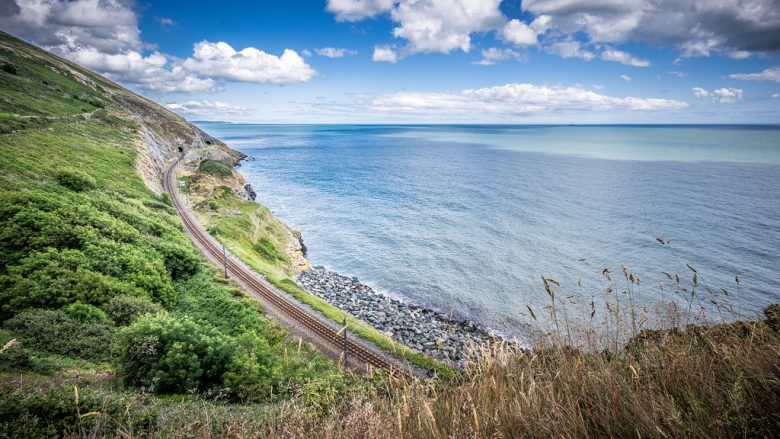
For landscape photography, this type of lighting is not recommended because it does not cast a shadow and it does not offer a texture or shape to the picture. On the other hand, for photos taken in the middle of the day, this type of lighting can be great.
For instance, when you want to capture a beautiful landscape at the seaside, this light is going to show that turquoise color we all love when we look at the water. Due to the fact that the sun is exactly in the center, it shines above it and provides a nice color and reflection.
Front Lighting
This type of light should not be used for landscape photography, unless, of course, you want your shadow to appear in the scene. Front lighting most likely will ruin the beauty of the landscape because, like the top light, it doesn’t produce any form, shape or texture. You might want to forget about this lighting if you want to shoot landscape photos.
Back Lighting
This is another type of light that might be tricky to use when capturing a landscape photo. Too much brightness can come between the background and the subject and it will end up ruining your picture. In order to avoid lens flare, you might want to use a lens hood. This way, it provides a shed on the top of the lens.
There is one exception when back-lighting is great for landscape photography. When you want to create a certain silhouette, this type of light is best because it is the only one that can create it. Still, remember that back-lighting is very difficult to shoot. This is why it is recommended to avoid it, especially if you are a beginner.
Side Lighting
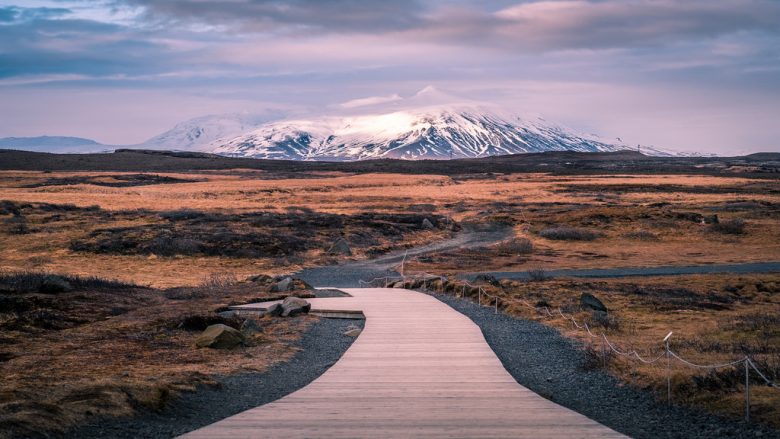
We finally reached the best light for landscape photography. The side-light is ideal for this type of photos because, unlike the others, it provides a sense of dimension of your subject. It also reveals the form, shape, and texture of your subject. Use this light anytime you want to shoot landscapes, especially before the sunset and at sunrise. You will manage to create special photos that will look professional even if you are a beginner.
Soft And Harsh Light
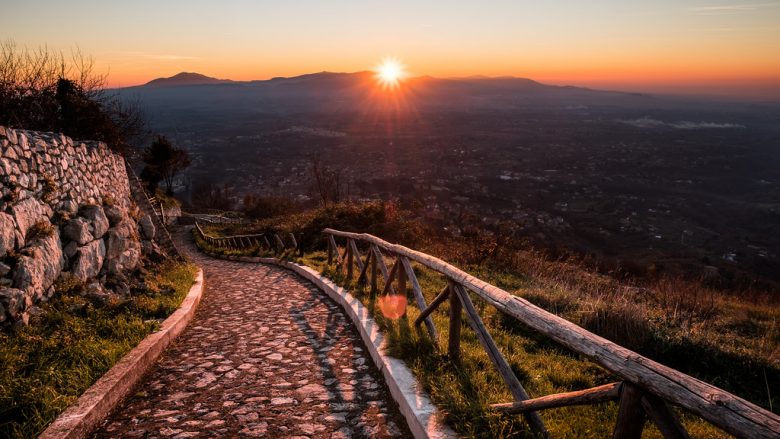
Softer light is provided by a larger light source, while the intense, harsh light is produced by a smaller, focused source. When doing landscape photography, the only source is the sun. In the same time frame, you can get different lights if you focus on different subjects.
For instance, in the midday, the sun focused on the sky is a small source and it offers a soft light. In the same time frame, the sun focused on a cloud can offer a more focused and intense light. If you want a soft light, you should pick a time of day when the sun is low, like the sunset. On the other hand, if you want a deep shadow and harsh contrast shoot the picture in the midday to benefit from the intense light.
I hope these tips are going to help you get the best possible landscape photos for your portfolio. Take into consideration that every type of light provides a unique picture, even when you are shooting the same subject in the same time frame. Make sure to test all of the natural lights to see which one you like best.
- Image source 1: https://www.flickr.com/photos/giuseppemilo/34354267604
- Image source 2: https://www.flickr.com/photos/giuseppemilo/19576909831
- Image source 3: https://www.flickr.com/photos/giuseppemilo/31028663593