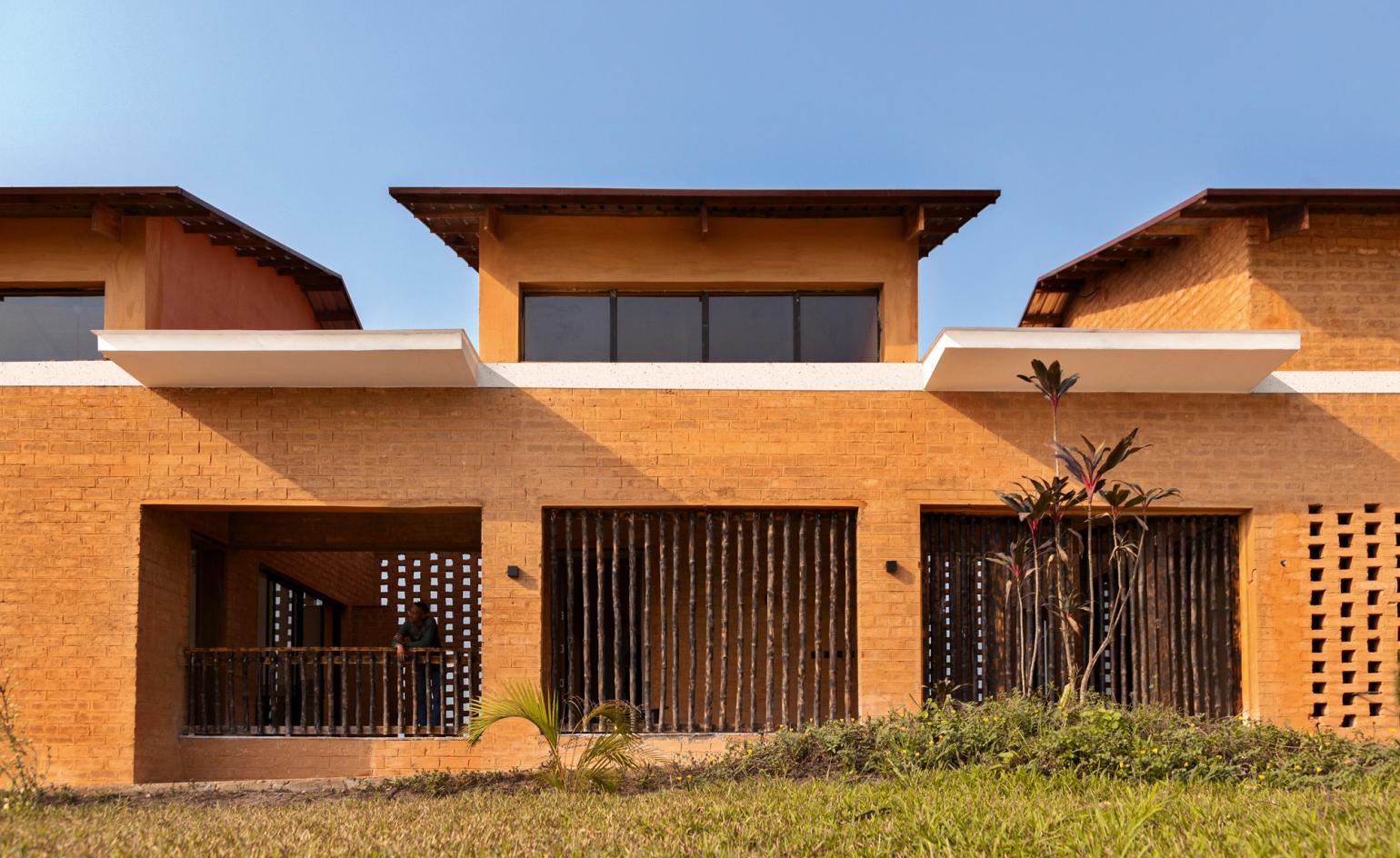
 Travel and hospitality buildings are judged differently from most other forms of architecture. Guests rarely notice technical details, but they are highly sensitive to atmosphere. Materials play a significant role in shaping that experience, often more than layout or decoration. Over time, sustainability has moved from a behind-the-scenes concern to something that quietly influences how hotels, lodges, and retreats are designed and perceived.
Early attempts at eco-friendly hospitality design were often overt. Sustainable materials were showcased deliberately, sometimes at the expense of comfort or cohesion. As expectations evolved, so did the approach. Today, sustainability in hospitality is less about statements and more about consistency. Materials are expected to perform responsibly without making guests feel like they are participating in an experiment.
Timber has become central to that shift. It carries strong environmental associations, but more importantly, it creates spaces that feel warm and grounded. In hospitality settings, that sense of ease matters. Guests respond positively to environments that feel natural without appearing rustic or unfinished.
The use of timber in travel architecture has expanded steadily. It appears in façades, interiors, and external amenities. Its role is rarely singular. Instead, it supports a broader design language built around restraint, tactility, and longevity. When specified carefully, timber allows buildings to age gracefully rather than requiring constant reinvention.
One of the reasons timber works so well in hospitality is its adaptability. Resorts, boutique hotels, and serviced apartments often sit in varied environments, from urban centres to coastal and rural locations. Timber bridges those contexts more easily than highly industrial materials, adapting visually without losing identity.
Outdoor spaces are particularly important in travel design. Terraces, walkways, and communal areas are often where guests spend the most time. Materials used in these spaces must balance durability with comfort. Hard surfaces alone can feel cold or institutional, particularly in leisure settings.
This is where solutions such as decking near me become relevant. Timber decking offers a surface that feels approachable while remaining robust enough for frequent use. When detailed correctly, it integrates seamlessly with both landscape and architecture.
Decking also supports flexible use. Spaces can transition easily between dining, lounging, and circulation without feeling over-designed. That adaptability is valuable in hospitality projects, where uses often change seasonally or even daily.
Beyond external areas, interior timber plays a subtle but important role. Wall linings, ceilings, and joinery introduce texture and acoustic softness. In busy hospitality environments, these qualities contribute significantly to comfort, even when guests are not consciously aware of them.
Timber’s contribution to acoustics is often underestimated. Hard, reflective surfaces amplify noise, creating spaces that feel restless. Timber diffuses sound differently, reducing harshness without relying on visible acoustic treatments. In hotels and restaurants, this improves experience without altering aesthetics.
Another factor driving timber’s popularity in hospitality is longevity. Sustainable design is undermined when materials require frequent replacement. Timber systems that weather evenly and maintain structural integrity over time support lower-impact operation. They reduce the need for constant refurbishment, which is both costly and disruptive.
This is particularly relevant in high-traffic areas. Corridors, reception spaces, and communal zones must withstand repeated use. Timber specified as part of a system rather than a surface performs more reliably in these conditions.
Products such as shiplap shed cladding have been adapted beyond their original context to meet these demands. The simple overlapping profile manages movement and wear effectively while maintaining a clean visual rhythm. Used internally or externally, it supports durability without visual complexity.
Sustainability in hospitality is also tied closely to perception. Guests increasingly expect eco-friendly practices but do not want them to feel intrusive. Timber supports this balance. Its environmental credentials are understood intuitively, without requiring explanation or signage.
There is also an operational advantage. Timber materials are often easier to repair or replace locally than specialist finishes. Small interventions can be made without closing entire areas. Over time, this flexibility reduces downtime and operational strain.
Culturally, travel spaces are moving away from overt luxury toward quieter forms of quality. Natural materials play a central role in that transition. Timber conveys care and attention without relying on excess. It feels appropriate rather than indulgent.
As hospitality design continues to evolve, materials that balance sustainability, comfort, and longevity will remain central. Timber’s continued presence reflects its ability to meet these overlapping demands without compromise.
Eco-friendly materials that genuinely improve travel experiences tend to do so quietly. Timber, used thoughtfully, belongs firmly in that category. It shapes how spaces feel, how they age, and how they are remembered, long after a stay has ended.



