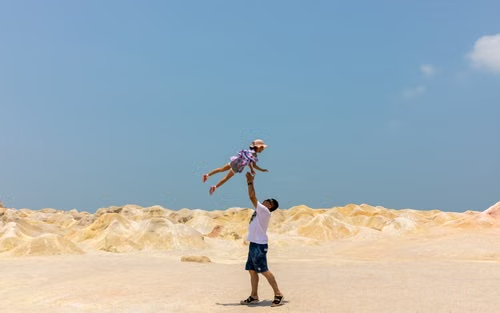
For some children, home is not a fixed address but a constantly shifting horizon. Families who build their lives around regular travel create a childhood experience that is genuinely unlike any other, full of rich cultural encounters, adaptable routines, and lessons that no classroom can fully replicate. Whether driven by career demands, personal philosophy, or a deep love of exploration, these families forge a lifestyle that shapes their children in profound and lasting ways.
A Different Kind of Classroom
One of the most significant advantages of a travel-heavy upbringing is the education children receive simply by being present in the world. Visiting ancient ruins, navigating foreign transit systems, and communicating across language barriers teach practical skills that textbooks rarely cover. Kids raised this way tend to develop strong problem-solving abilities and an intuitive understanding of geography, history, and culture. Many parents who travel frequently with their children report that their kids ask sharper questions and demonstrate far greater curiosity than peers who have spent most of their lives closer to home.
Building Resilience Through Constant Change
Adapting to new environments is a skill that takes most people years to develop, yet children raised in traveling families often master it surprisingly early. Frequent moves and ever-changing destinations mean kids must learn to make friends quickly, adjust to different social norms, and find genuine comfort in unfamiliar surroundings. This builds a kind of emotional resilience that serves them well into adulthood, helping them handle uncertainty with confidence rather than anxiety. Parents in these families often note that their children become remarkably resourceful, finding creative solutions to everyday challenges because they have simply had so much practice doing exactly that.
The Aviation Family: A World Above the Rest
Among traveling families, those connected to the aviation industry occupy a particularly fascinating niche. Pilots, aviation engineers, and airport logistics professionals often raise families that move with job postings, seasonal contracts, or the rhythms of demanding flight schedules. Children in these households grow up familiar with runways, hangars, and the technical vocabulary of the skies. Ground support equipment becomes part of everyday conversation, and even specialized tools like tugs for sale might come up at the dinner table when a parent is sourcing new gear for an aircraft operation. These kids develop an early appreciation for the mechanics and logistics that keep aviation running smoothly, giving them a perspective on the industry that most people never encounter.
Social Bonds Formed Across Borders
A common concern about raising children on the road is whether they can form meaningful, lasting friendships when they are constantly on the move. The reality, however, is more nuanced and often far more positive than people tend to expect. Traveling kids frequently develop deep connections with peers they meet in brief but intense bursts of shared experience, whether at international schools, youth hostels, or community gatherings along the way. Technology has made it considerably easier to maintain these relationships across long distances, and many grown children of traveling families describe a global network of friends they still cherish decades later. These bonds, though formed differently, are no less real or meaningful than those built over years in a single neighborhood school.
The Role of Family Traditions in a Mobile Life
One thing that keeps traveling families grounded is the deliberate creation of rituals and traditions that travel with them wherever they happen to go. Sunday morning pancakes in a rented apartment in Lisbon can feel just as warm and familiar as those made in a permanent home kitchen. Families often develop unique customs around arriving in a new city, celebrating personal milestones, or the way they document their journeys together over time. These shared rituals give children a sense of continuity and belonging that is not tied to any specific place, but rather to the people surrounding them. That distinction turns out to matter quite a lot.
Conclusion
Children raised in families that travel regularly grow up with a worldview that is broader, more flexible, and often more empathetic than those who have spent their lives in one place. The challenges are real, from maintaining friendships to finding academic consistency along the way, but the rewards are equally substantial. What these families ultimately give their children is not just a collection of passport stamps or flight memories, but a deep-rooted confidence in their ability to belong anywhere in the world. That may be the most valuable gift a childhood can offer.



