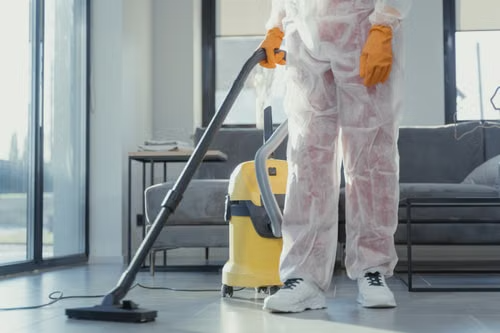
Deep cleaning your home can feel like a daunting task, but with the right approach, it becomes something far more manageable — even satisfying. Unlike regular tidying, a true deep clean targets the hidden grime, dust, and buildup that quietly accumulates in corners, under furniture, and behind appliances over time. Whether you’re preparing for a special occasion or simply craving a fresh start, understanding how professionals approach the process makes all the difference. A systematic, room-by-room strategy ensures nothing slips through the cracks and your home reaches a genuinely spotless standard.
Start with a Plan and Gather Your Supplies
Before touching a single surface, take time to organize your approach and pull together everything you need. Professional cleaners always work from a checklist, moving through one room at a time rather than jumping between spaces — this saves both time and energy in a big way. Stock up on microfiber cloths, scrub brushes, an all-purpose cleaner, a degreaser, grout cleaner, and a quality vacuum before you start. Having all your tools within reach prevents unnecessary interruptions and keeps the momentum going. A structured plan transforms what could be an all-day ordeal into a streamlined, efficient process.
Work Top to Bottom in Every Room
Working from the top of a room down to the floor is one of the most important rules professional cleaners swear by. Begin with ceiling fans, light fixtures, and crown molding before moving on to shelves, countertops, and furniture surfaces. This method ensures that any dust or debris knocked loose from higher spots falls onto areas you haven’t cleaned yet, eliminating the frustration of double work. Wipe down walls and baseboards next — these are easy to forget during routine cleaning but collect a surprising amount of grime over time. Saving the floors for last guarantees you won’t track dirt back over surfaces you’ve already scrubbed clean.
Tackle High-Traffic Areas and Hidden Spaces
Kitchens and bathrooms demand the most attention during a deep clean, since they accumulate grease, soap scum, and bacteria faster than anywhere else in the home. In the kitchen, pull appliances away from the wall to clean behind and beneath them, degrease the stovetop and hood vent, and scrub the inside of the oven thoroughly. Bathroom deep cleaning means descaling showerheads, scrubbing grout lines, and disinfecting every surface, including the toilet base and the often-forgotten area behind the tank. Don’t overlook spots like under bed frames, inside closets, and behind large furniture pieces, as these areas trap dust and allergens over time. Giving these neglected spaces proper attention is exactly what separates a real deep clean from a surface-level once-over.
Manage Dust and Air Quality Throughout the Process
Dust management is a critical, though frequently underestimated, part of deep cleaning, particularly in homes with upholstered furniture, carpets, or workshop areas adjacent to living spaces. Agitating settled dust during cleaning sends particles airborne, where they can drift right back onto surfaces you’ve already wiped down. Using a high-quality vacuum with a HEPA filter helps capture fine particles from floors, furniture, and vents rather than simply redistributing them throughout the room. For homes with workshop areas or spaces prone to heavy particulate buildup, a **dust collection system** keeps airborne debris under control, protecting both your cleaning results and your indoor air quality. Swapping out HVAC filters and vacuuming air vents as part of the process also makes a noticeable difference in how fresh the home feels once everything is done.
Don’t Forget Soft Surfaces and Overlooked Details
Fabric surfaces like curtains, upholstered furniture, and rugs hold onto dust, pet dander, and odors in ways that hard surfaces simply don’t. Launder curtains and washable throw covers, and use an upholstery attachment to vacuum couches and chairs from top to bottom. Steam cleaning carpets and area rugs at least once or twice a year pulls out deeply embedded dirt that regular vacuuming just can’t reach. Pay close attention to small details like light switch plates, door handles, remote controls, and cabinet hardware, since these high-touch surfaces harbor germs but rarely see a cleaning cloth. These finishing touches are what give a home that polished, professionally cleaned feeling that’s hard to miss.
Conclusion
Deep cleaning your home like a professional comes down to having the right tools, following a logical order, and staying thorough in the spaces that are easiest to overlook. The process takes patience and real effort, but the reward — a genuinely clean, fresh, and healthy home — makes every minute worthwhile. By adopting these habits and techniques, you’ll not only reach a higher standard of cleanliness but also make future maintenance cleaning far easier to keep up with over time.




Good reminder that dust comes first.