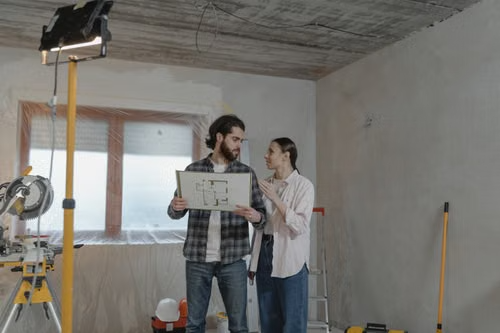
Planning a Renovation: What Services Should You Begin With?Starting a renovation project can feel genuinely overwhelming, especially when you’re staring down a long list of things that need updating, fixing, or replacing entirely. Whether you’re tackling a single room or overhauling an entire home, knowing where to begin makes all the difference. The key is approaching the process strategically rather than diving in headfirst without a clear direction. A well-organized renovation not only saves you money but also reduces stress and keeps your project on track from day one.
Start With a Thorough Home Assessment
Before any work begins, you need a clear picture of what you’re actually working with. Hiring a professional inspector to evaluate your home’s current condition helps identify structural issues, outdated systems, and potential problem areas that could complicate things down the line. This step is frequently skipped by homeowners who are eager to get started, but it’s honestly one of the most valuable investments you can make early on. Understanding existing conditions helps you prioritize what truly needs attention versus what is purely cosmetic, which can save you from making expensive decisions in the wrong order.
Prioritize Structural and Foundation Work
If your assessment turns up any structural concerns, those need to be addressed before anything else moves forward. Foundation cracks, compromised load-bearing walls, or roof damage can quietly undermine every other improvement you make to the property. Attempting cosmetic upgrades on top of structural problems is a bit like painting over rust; the underlying issue will only worsen with time. Bringing in a structural engineer or experienced contractor at this stage ensures your home is safe and sound before the more visible, exciting work even begins.
Address Mechanical Systems Early
Plumbing, electrical, and HVAC systems are the backbone of any functional home, and updating them should happen well before walls are closed up or flooring goes down. Outdated wiring poses real fire risks, and aging pipes can lead to water damage that ruins brand-new finishes in a matter of months. Scheduling these updates early in the renovation timeline prevents costly tear-outs later. Many homeowners who partner with professional remodeling services choose to bundle these **mechanical upgrades** together to streamline scheduling and bring down overall labor costs.
Plan for Permits and Design Before Breaking Ground
One of the most common mistakes homeowners make is jumping into physical work before securing the necessary permits and finalizing design plans. Permit requirements vary by location and project scope, and failing to comply can result in fines or even forced removal of completed work. Collaborating with an architect or interior designer during this phase ensures that your vision is both achievable and code-compliant. Having detailed drawings and approved permits in hand before any tools come out keeps your project moving without costly interruptions or legal headaches that nobody wants to deal with mid-renovation.
Choose the Right Contractors for Each Phase
Not every contractor handles every type of work, so assembling the right team for each phase of your renovation is genuinely critical. General contractors can oversee the full scope of a project, coordinating subcontractors and keeping timelines on track. For specialized work like custom cabinetry, tile installation, or exterior improvements, you may need dedicated tradespeople with very specific expertise. Vetting contractors thoroughly by checking references, reviewing portfolios, and confirming licensing protects you from poor workmanship and project delays that can quickly snowball into much bigger problems.
Set a Realistic Budget With Built-In Flexibility
Budgeting is one of the most important parts of renovation planning, and it deserves serious, honest attention from the very beginning. Most experienced contractors recommend setting aside an additional 10 to 20 percent of your total budget as a contingency fund for unexpected issues that almost always seem to pop up. Material costs, labor rates, and supply chain delays can all shift your final numbers in ways that are hard to predict. Being upfront with your contractor about your budget from the start helps them recommend solutions that align with your goals without forcing you to sacrifice on quality.
Conclusion
A successful renovation starts long before the first nail is driven or the first tile is set. By taking a methodical approach, beginning with assessment, structural work, mechanical systems, permits, and contractor selection, you set your project up for a smoother and far more predictable outcome. Careful planning at the front end means fewer surprises along the way and a finished result that genuinely reflects your vision. Whether your renovation is modest or ambitious, starting with the right steps makes every phase that follows more efficient, more enjoyable, and ultimately more rewarding.



