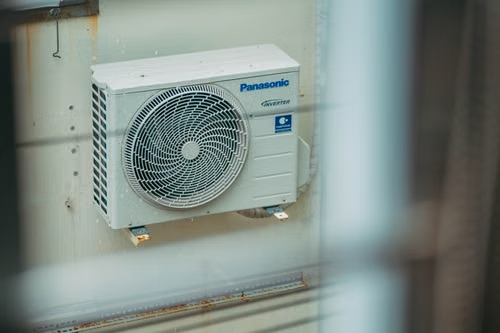
Does one room in your home feel too warm while another remains uncomfortably cold? Uneven indoor temperatures are a common household problem, particularly in homes with multiple floors, older ductwork, or rooms that receive different amounts of sunlight.
Although temperature differences can sometimes result from normal variations in a home’s design, persistent hot and cold spots may indicate an airflow, insulation, thermostat, or HVAC equipment problem. Identifying the cause can help you choose an appropriate solution instead of continually adjusting the thermostat.
Blocked Supply and Return Vents
Your HVAC system depends on a clear path for air to circulate between the equipment and your living spaces. Supply vents deliver conditioned air, while return vents carry indoor air back to the system.
Furniture, curtains, rugs, and other objects can block these vents and interfere with airflow. As a result, certain rooms may receive less heated or cooled air than others.
Start by checking the vents in rooms that feel uncomfortable. Move obstructions away and make sure registers are open according to the system’s design.
Avoid closing numerous vents to force air into other rooms. Doing so can disrupt airflow and may affect system performance. If temperature differences remain after clearing obstructions, investigate other possible causes.
Dirty Air Filters
Air filters collect dust and airborne particles as air passes through the HVAC system. When a filter becomes clogged, it can restrict airflow and reduce the amount of conditioned air reaching different rooms.
A restricted filter may contribute to uneven temperatures, weaker airflow, or other performance problems.
Check your filter regularly and replace or clean it according to the manufacturer’s instructions. The correct interval depends on the filter type, household conditions, and system usage.
If airflow remains weak after replacing a dirty filter, the problem may involve ductwork, the blower, or another system component.
Leaking or Poorly Designed Ductwork
Ductwork distributes conditioned air throughout the house. Leaks, disconnected joints, poor insulation, and design problems can prevent some rooms from receiving enough warm or cool air.
For example, a bedroom at the end of a long duct run may receive less airflow than a room closer to the equipment. Leaking ducts can also allow conditioned air to escape into an attic or crawlspace.
Look for obvious damage in accessible ductwork, but remember that not all leaks are visible. A qualified HVAC professional can evaluate the duct system, check airflow, and determine whether sealing, insulation, balancing, or other adjustments are appropriate.
Thermostat Location and Settings
A thermostat measures the temperature in the area where it is installed. If it sits near a sunny window, exterior door, kitchen appliance, or draft, its reading may not reflect conditions elsewhere in the house.
This can cause the system to stop heating or cooling while distant rooms remain uncomfortable.
Check that the thermostat is not affected by obvious heat sources or drafts. Also review its schedule and settings to make sure they match your household’s needs.
If the thermostat appears to display inaccurate temperatures or does not respond consistently, a professional can determine whether it needs adjustment, relocation, or replacement.
Insulation and Sunlight Differences
Not every hot or cold spot is caused by an HVAC fault. Rooms with large windows, exterior walls, inadequate insulation, or significant air leakage may gain or lose heat more quickly than other spaces.
For instance, an upstairs bedroom may become warmer in summer because heat accumulates near the roof. A room above an unheated garage may feel colder in winter because of heat loss through the floor.
Check for drafts around windows and doors, and consider whether insulation deficiencies contribute to the problem. Weatherstripping, air sealing, window treatments, and appropriate insulation improvements may help reduce temperature differences.
Problems With Heating or Cooling Equipment
Sometimes uneven temperatures result from a malfunctioning HVAC component. A struggling blower motor, dirty coil, faulty control, or other mechanical issue can affect the system’s ability to distribute conditioned air.
If the problem appears mainly during winter, the heating equipment may need inspection. Homeowners experiencing persistent heating problems can learn more about possible causes through this furnace repair resource.
During summer, inadequate cooling may indicate an air-conditioning issue. However, uneven temperatures alone do not prove that the furnace or air conditioner is faulty. Air distribution and insulation should also be considered.
When Should You Seek Professional Help?
Start with simple checks: clear blocked vents, inspect the air filter, and review the thermostat settings. If these steps do not improve comfort, a professional assessment may help identify the underlying problem.
You should consider an inspection when:
- The same rooms remain uncomfortable despite adjustments.
- Airflow is noticeably weak in several areas.
- The system runs for long periods without maintaining the desired temperature.
- You hear unusual mechanical noises.
- Temperature differences have suddenly become more pronounced.
A technician can evaluate the equipment and ductwork, measure airflow where appropriate, and recommend solutions based on the home’s layout and heating or cooling needs.
For additional information about maintenance and energy efficiency, see this AC repair article.
Conclusion
Uneven indoor temperatures can result from blocked vents, dirty filters, ductwork problems, thermostat placement, insulation deficiencies, or malfunctioning HVAC components.
Checking simple issues first can help you identify obvious causes. If hot and cold spots persist, a professional assessment can determine whether the problem involves the equipment, air distribution, or the home’s construction.
Addressing the actual cause is more effective than continually changing thermostat settings, and it can help make indoor temperatures more comfortable throughout the year.



