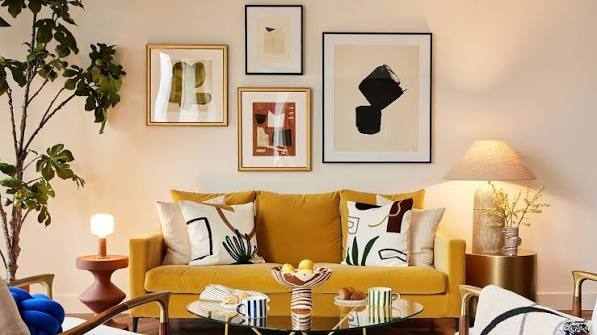
A house can have all the right furniture, a tidy layout, and a perfectly neutral paint palette, and still feel like a showroom. What turns a building into a home is personality, the sense that real people with real tastes and stories live there. Art is one of the most effective ways to create that feeling. A single piece can set a mood, spark a conversation, or remind you of a place you love. Here’s how to use fine art to give your space warmth, character, and meaning.
Start With Pieces That Mean Something to You
The best art collections don’t come from following trends. They come from choosing work that genuinely resonates. Maybe it’s a landscape that reminds you of childhood summers, an abstract canvas whose colors make you feel calm, or a small sketch picked up on a memorable trip. Pay attention to what you’re drawn to repeatedly, whether that’s certain colors, subjects, or moods. When art carries personal meaning, it becomes a daily source of comfort and curiosity rather than just decoration. Guests will notice, too, since the pieces tell them something about who you are before you say a word.
Let Art Set the Mood in Each Room
Different spaces call for different atmospheres, and art can help define them. Soft, soothing imagery suits a bedroom, where rest is the goal, while bold, energetic work can bring life to a living room or entryway. Kitchens and dining areas often benefit from warm tones, still lifes, or playful pieces that encourage conversation. Home offices can use inspiring or thought-provoking images that support focus without becoming distracting. Large-scale fine art photography can be especially effective here, since a sweeping landscape or dramatic scene can open up a room visually and bring a sense of calm or grandeur depending on the subject. Think about how you want to feel in each space, then choose art that supports it.
Pay Attention to Scale, Placement, and Lighting
Even a beautiful piece can fall flat if it’s hung poorly. A common mistake is choosing art that’s too small for the wall, which can make the room feel unfinished. As a general guideline, artwork above a sofa or bed should span roughly two-thirds the width of the furniture beneath it. Hang pieces at eye level, typically with the center around 57 to 60 inches from the floor. Lighting matters just as much: natural light is lovely but can fade certain works, so consider UV-protective glass or picture lights that highlight a piece without causing damage. Thoughtful placement lets the art look intentional and gives it room to breathe.
Mix Mediums, Styles, and Sizes for Depth
A home feels more layered when art isn’t all the same. Combining paintings, photography, prints, sculpture, and textiles adds visual interest and keeps the space from feeling too uniform. Gallery walls are a popular way to blend sizes and styles, but they work best with a unifying element, such as consistent framing, a shared color thread, or even spacing. Don’t be afraid to place a piece on a shelf, lean a large work against a wall, or pair art with plants and books for a relaxed, lived-in look. Variety signals that your collection grew organically over time, which is exactly what makes a home feel personal.
Build Your Collection Slowly and Care for It
Filling every wall at once rarely leads to the most satisfying results. Collecting over time lets your taste evolve and gives each piece the attention it deserves. Visit local galleries, art fairs, and artists’ studios to discover work you can’t find in a big-box store, and consider supporting emerging artists whose pieces may carry special meaning down the road. Once you’ve acquired a piece, protect it by keeping it away from direct sunlight, humidity, and heat sources, and dust frames gently. A little care ensures your art stays beautiful for years and continues to tell your story.
Final Thoughts
Turning a house into a home is less about perfection and more about presence. Art brings emotion, memory, and individuality into the spaces where you live your daily life. Choose what moves you, think about how each room should feel, and take your time building a collection that grows with you. Before long, the walls will reflect your own story, and the space will feel unmistakably yours.



