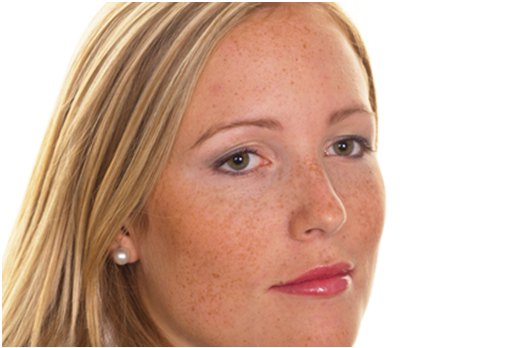
Hyperpigmentation is a common problem to the women nowadays. For the skin caring people, it is an annoying condition to have Hyperpigmentation on the skin. Basically, there is a misconception among the people that, there is no treatment needed for the discolored skin and the skin will be faded day by day by itself, no matter what kind of steps you take.
Well, I am glad to say that, it is a wrong though and you have something to do. Yes, for letting you know about some easy treatments of Hyperpigmentation, we are here.
- Moisture Maximization:
Skin generally loses its color for the lacking of moisture. Moisture is the main ingredient that keeps the skin cells lighten up and eliminate the dark cells. If you have a dry skin, then you can use moisturizing products that are available on the market. Moisturizing products address the pigment issues and they work to make your skin looking brighter. Though they are inactive ingredients, they have an effective work on skin.
- Hands Off:
When we have dark spots, we generally feel annoying and touch them several times by hands. Well, this is a bad habit and it can be the cause of a worse condition. Dark spots can be vanished by the body function sometimes, but if we keep touching it, it can’t be healed by the body function. So, stay back from touching them. Remember, if you mess with them more, they will get worse and worse look later.
- Microdermabrasion:
With having minimal darkness on the skin, you can try microdermabrasion. This procedure gently removes the uppermost skin layer so that the skin looks bright. They also work against sunspots or other minimal discolorations. This is an easier way to take a step against hyperpigmentation.
- Drugs & Chemical Peels:
The sooner you start treating hyperpigmentation and visit a dermatologist, the better result you will get. For treating the hyperpigmentation, you can use various drugs or chemical peels. There are so many chemical peels are available with necessary elements to treat hyperpigmentation and discoloration. Additionally, you can also take drugs that heal the skin cells to look brighter. But remember, before starting drugs, you should talk to a doctor.
- Skin Care Products:
Some skin care products help to treat hyperpigmentation that contains special ingredients and necessary acids (glycolic, salicylic). We can recommend you some products as like LUMIXYL, KOJIC ACID, AZELAIC ACID, VITAMIN “C”, HYDROQUINONE, and UNDECYLENOYL PHENYLALANINE based creams. You may talk to your doctor before start using a specific product for your skin.
- High Technology:
Now, it is the age of modern science. There are modern treatments to skin problems too. IPL (Intense Pulsed Light) and Laser Resurfacing are such as high tech treatments for hyperpigmentation. Though high tech treatments are costly, you better apply general treatments first. Besides, high the treatments are mainly for them who have a serious skin problem.
- Go To Dermatologist:
Well, we should always take advice from a doctor about any kind of problem. Skin problem is also not different. No matter how serious your skin problem is, you should talk to a dermatologist in midland to get the best advice on your current problem. They will advise you on their experience, knowledge, and test reports. This is a clever idea to visit a dermatologist before starting any treatment for hyperpigmentation.
Remember, prevention is better than cure. Hyperpigmentation mainly happens with the sunlight. So, try to stay away from sunlight as much as you can. You may use shed or sunlight protection product to prevent discoloration of your skin. This will keep your skin healthy and you will not have any extra skin problems.