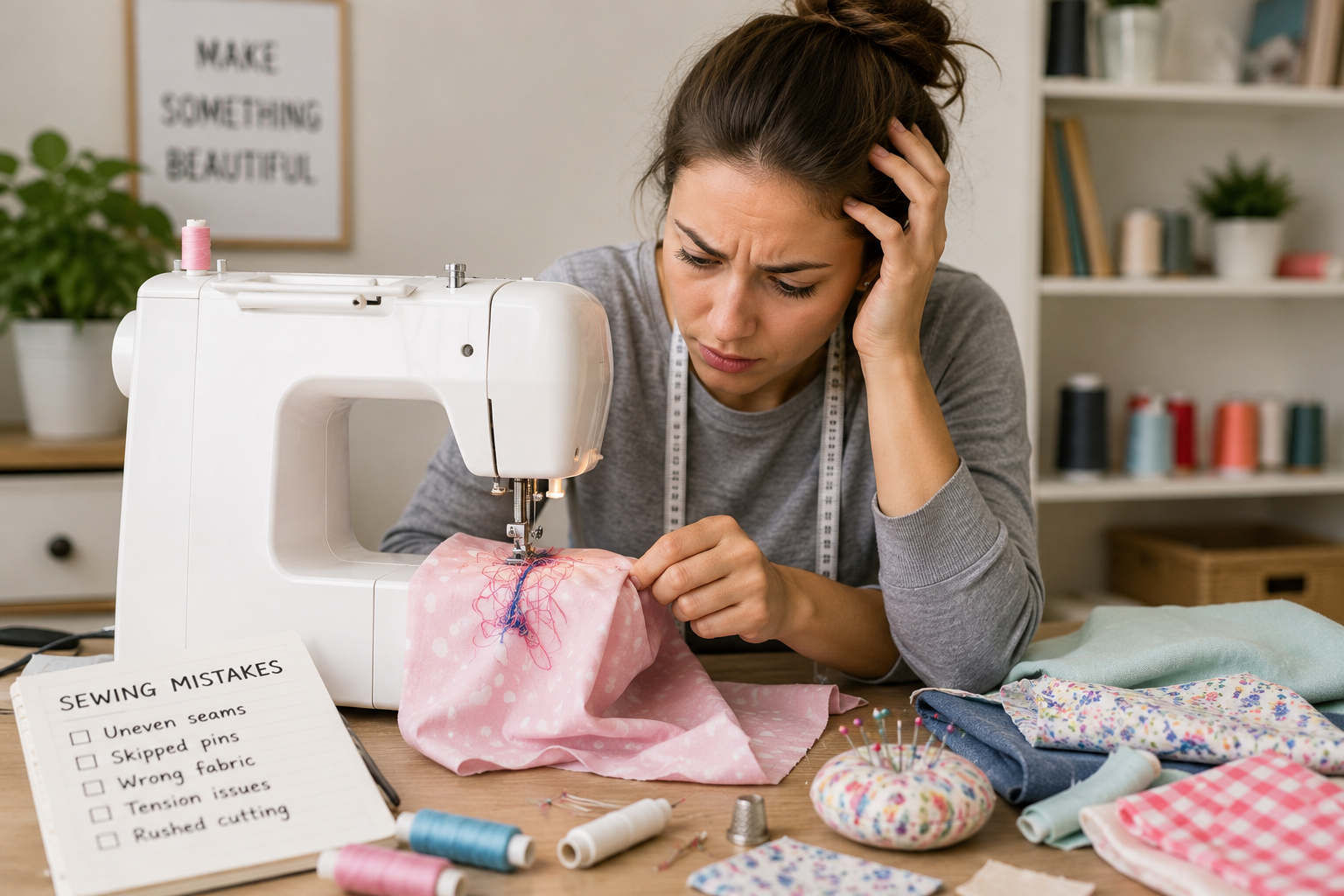
Learning to sew takes practice, but avoiding common mistakes can make the process easier. Beginners often struggle with incorrect measurements, unsuitable fabrics, poor tension and rushed preparation. Understanding where things can go wrong helps you build better habits and feel more confident with every project. A little patience can make a noticeable difference.
Building Confidence Behind The Sewing Machine
Starting to sew can be exciting, especially when you have a project in mind. You may want to create clothing, home accessories or simple gifts for friends and family. However, even minor mistakes can sometimes make the process feel more difficult than expected.
Small errors with measurements, fabric choice or machine settings can affect the final result. The good news is that most common problems are easy to understand and avoid.
Especially with the right preparation, your projects will start to feel less challenging. For example, an online haberdashery can give you access to essential supplies for various sewing projects. With the right stock in hand, you’ll be able to execute your designs with precision and perfection.
But that’s not all. Here are five common mistakes to watch out for as you develop your skills.
1. Skipping Accurate Measurements
One of the most common mistakes beginners make is starting without taking careful measurements. Even a small error can affect the way a garment fits or how separate pieces come together. This is especially true when working with patterns that require precise sizing.
Take your measurements carefully and check them against the pattern instructions before cutting any fabric. You should also measure the fabric itself if you are working with a limited amount. Writing down your measurements can help you avoid relying on memory during a longer project.
It is also worth checking your measurements again before cutting, as taking a few extra minutes at this stage prevents wasted fabric and unnecessary alterations later.
2. Choosing The Wrong Fabric
Different fabrics behave differently, so your material choice can have a major impact on the finished project. Lightweight fabrics may move while you cut or sew, while heavier materials require different needles and settings.
Before starting, consider how the fabric will respond and whether it suits your chosen pattern. Beginners often find stable, easy-to-handle materials simpler to work with during early projects. You should check whether the fabric needs washing before cutting, as some materials may shrink.
Understanding your fabric makes the sewing process easier and helps you choose techniques and tools that suit the material you are using.
3. Ignoring Machine Tension And Settings
Your sewing machine settings can affect the quality of every stitch. If the tension is incorrect, the thread may become loose, bunch together or pull the fabric out of shape.
Before working on your main project, test the machine on a scrap piece of the same fabric. This lets you check the stitch length and tension without risking the finished material, allowing you to make small adjustments until the stitching looks even.
You need to check that the needle suits the fabric and thread. Using the right combination helps create smoother stitches while reducing the risk of skipped stitches or material damage.
4. Rushing Through Preparation
It can be tempting to start sewing immediately, especially when you are thrilled about a new project. However, skipping preparation often creates problems that could have been avoided with a little planning.
Read through the instructions before beginning and make sure you understand the order of each step. Prepare your tools, check your materials and organise your workspace before switching on the machine. This gives you a better idea of what the project involves.
You should also take time to mark fabric accurately and pin pieces carefully. Taking these preparatory steps helps you work with more certainty while reducing the likelihood of mistakes later.
5. Expecting Perfect Results Immediately
Sewing is a practical skill, so improvement comes through regular practice. Your first project may not look exactly how you imagined, and that is completely normal.
Instead of focusing only on the finished product, pay attention to what each project teaches you. You may discover that your stitching needs more consistency or that certain fabrics require different handling. These observations help you improve your technique over time.
Start with manageable projects and gradually take on more challenging designs, as each completed project builds your experience and helps you understand what works best for your sewing style.
To Sum Up
Making mistakes is a normal part of learning to sew. Accurate measurements, suitable fabric choices and careful machine settings help you avoid many common problems. Taking time to prepare properly also makes each project easier to handle.
Most importantly, do not expect perfection from your first attempt. With regular practice and a willingness to learn from each project, you can steadily improve your skills and enjoy sewing with greater confidence.



