It is said that up to about 80% of thefts can be prevented with the use of proper surveillance camera placement at home or office premises. Closed circuit television has largely been used for a few decades now. The cameras can not only help in catching a culprit, but it can also deter a potential burglary attempt. If miscreants are already aware that a place is under CCTV surveillance system, they are unlikely to take a chance of being caught red-handed. So, many people these days are interested in installing CCTV monitoring system for their home or business.
In the event of a robbery, CCTV footage can help in identifying the culprit and also pinpoint areas that need tighter security. In business establishment owners can ensure safe work environment for employees by using security system. It can also point out in case there is internal dishonesty.
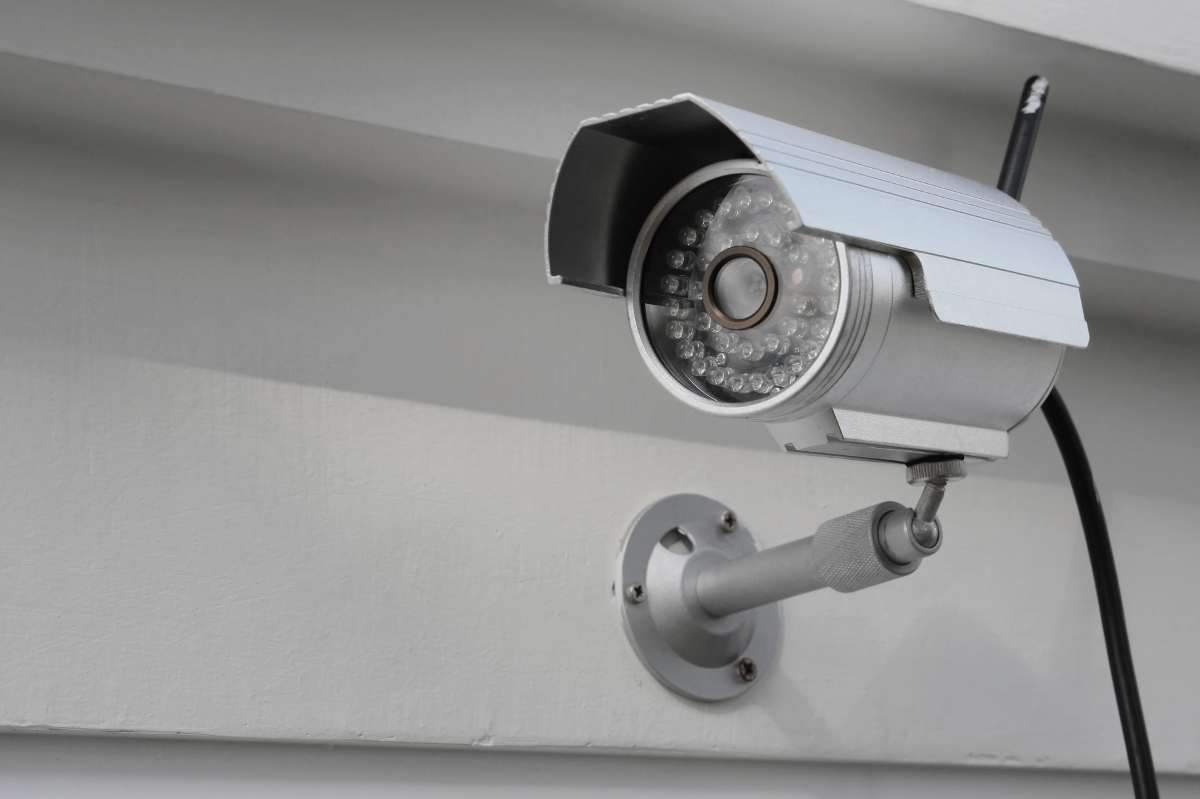
CCTV Video Surveillance
No matter what kind of establishment you have top quality video surveillance is the easiest and most effective mode of security. The cameras are placed at numerous public places give a clear picture of what is going on there. The technology regarding surveillance camera monitoring has improved a lot over the last several years, and the size of the camera and function of hardware has also reduced significantly.
Homeowners place surveillance cameras to covering their resident and the property around it. Some also fix cameras inside their house to monitor every room. Further, in this article, we will try to compile some of the most important do’s and don’ts on installing CCTV surveillance system.
Major Do’s And Don’ts Of Mounting Surveillance Cameras
- Do place the camera in the right position
It is ideal to place the cameras where your roof meets the wall. This is the perfect spot to fix surveillance cameras. The upper corner of the roof shields the camera from elements and this position ensures the best viewing angle.
- Do not install the camera at a place which is not well-lit
Fix the camera at a place which is well lit throughout the night. You can also install an infrared camera which gives quality images at night. There are motion sensor cameras which can be placed at the main entrances. Also, note that you should not fix the camera at places where intense sunlight falls as it will tamper with the video quality.
- Do ensure proper protection of your camera
Being an electronic device, you have to ensure proper protection of your cameras from the weather. It is also essential to protect it from any deliberate tampering or vandalism. Depending on the position of its placement, the camera may require a weatherproof shield for protection from intense heat and rain. For quality video surveillance system, it is also ideal to install grille protection to hinder access to burglars. Make sure that you place the camera high out of easy reach.
- Do not fix a camera at gutters
Even though you have an opportunity to ensure enough height by placing the camera at a gutter, it is better to avoid. With such a placement, your camera may be fully exposed to the weather, and it will put undue stress due to add-on weight of the gutter
- Do mount cameras properly to avoid shakes and wiggles
If you fix the cameras at locations where there is a chance of vibration on the walls, then the camera can shudder and capture distorted images. At such places, it is ideal to fix an extra mounting bracket to keep the camera steady.
- Do not limit cameras to the entrance
Many people fix a camera at the main entrance and downplay the importance of security in other locations. You should also remember that burglars are smarter than think and they know how to tackle primary surveillance systems. So, you have to think of installing surveillance cameras also at the back doors, side entrances if any, as well as sliding glass windows or off-road view windows, etc. It is also ideal to install video cameras for safety, by putting cameras at the top of basement stairs.
- Do install cameras at heavy traffic locations and focusing on bushes around
Bushes may provide an ideal cover to prowlers, so fixing cameras focusing at such places around the home will be ideal. You can also think of monitoring walkways and gates at your home with a camera.
- Do not fix cameras right over the basement windows
If you fix a camera within easy reach to the burglars, then it becomes easy for them to disable it. Location over the basement windows is such an easy access area. Instead, you can mount cameras under the eaves or at the roofline of the second storey and focus it towards the basement window.
- Do buy the DVR one or two sizes larger than the current requirement
There are various types of DVRs available in the market to serve different purposes. It is very common for people to add more cameras once they realize the benefits. Unfortunately, most of them stick to buying a basic DVR to meet their purpose at the time of installation and hesitate in expanding their budget. So, when you need to add more cameras, one cannot do it with the DVR not supporting it. So, it is ideal to buy a DVR at least one size larger even if there is no immediate requirement.
- Do not think wireless is “fully wireless”
Even if you hear about wireless camera surveillance systems working on signals, these may not be fully wireless. The cameras still needed to be plugged into a power source. The base unit may also need to be powered through wires. What is meant by wireless is that the digital signals from the camera and back are transferred through wireless modes?
These tips are simple, but essential when you are planning to get the best out of your video surveillance system. There are many blogs available on the internet. You can go through them to know more about it.