The microscope is one of the most remarkable inventions in scientific history. It has allowed us to explore an extraordinary world that exists beyond what the human eye can see, revealing everything from individual cells to the microorganisms that inhabit our environment.
Over the centuries, advancements in microscopy have transformed our understanding of biology, medicine, and the natural world. Among the most widely used instruments is the compound microscope, which continues to play an essential role in scientific discovery.
Today, compound microscopes are found in classrooms, universities, hospitals, pharmaceutical laboratories, and forensic science facilities. They allow researchers, students, and medical professionals to examine microscopic structures, investigate diseases, and better understand how living organisms function.
With so many different types of microscopes available, understanding the capabilities and applications of a compound microscope is an excellent place to begin.
What Is A Compound Microscope?
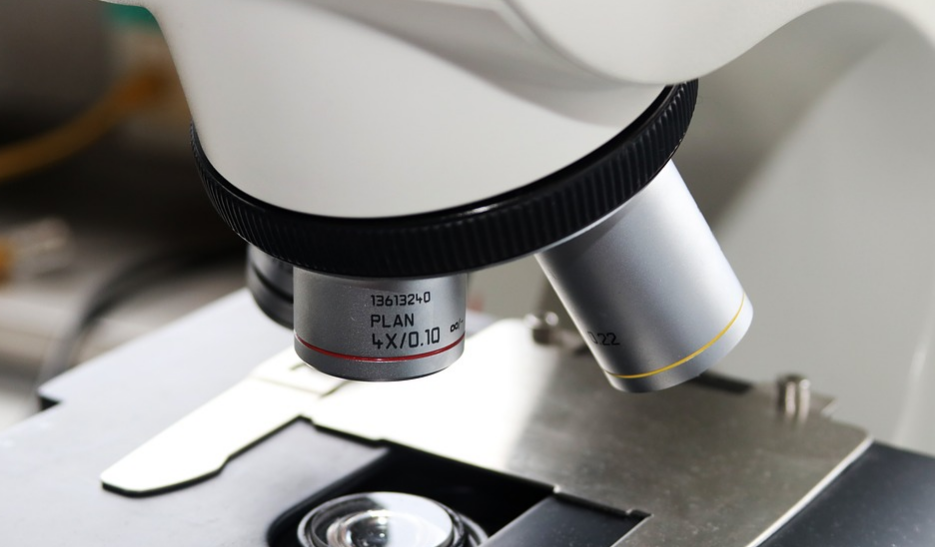
A compound microscope is an optical instrument that uses multiple lenses to magnify small objects and reveal details that cannot be seen with the naked eye.
Unlike a simple magnifying glass, a compound microscope combines an objective lens and an eyepiece to produce a magnified image of a specimen. Most modern compound microscopes also feature built-in illumination, allowing light to pass through the specimen for clearer observation.
Standard compound light microscopes typically offer magnification ranging from approximately 40x to 1,000x, making them useful for studying cells, bacteria, algae, protozoa, and other microscopic organisms.
These instruments are particularly valuable when examining prepared slides and biological samples. Depending on the specimen and the purpose of the observation, researchers may use different preparation techniques to highlight specific structures.
For example, microscopy enthusiasts and researchers studying fungal biology may examine spores to observe their size, shape, and other microscopic characteristics. Specialized specimen preparation supplies, including mushroom spore syringes for microscopy, are among the materials available for this type of microscopic observation, subject to applicable laws and laboratory safety requirements.
Although compound microscopes provide remarkable magnification, they have limitations. Most viruses and extremely small structures cannot be resolved clearly using conventional light microscopy and require more advanced imaging techniques.
Nevertheless, compound microscopes remain indispensable across several major scientific fields.
1. Importance Of Compound Microscopes In Education
Compound microscopes are essential educational tools that allow students to explore scientific concepts through direct observation.
Instead of relying exclusively on textbook illustrations, students can examine real specimens and discover the intricate structures of living organisms.
In biology classrooms, microscopes are commonly used to observe plant cells, animal cells, microorganisms in water samples, and prepared tissue slides.
These hands-on activities help students understand fundamental concepts such as cell structure, reproduction, and the diversity of microscopic life.
Microscopy also encourages critical thinking, curiosity, and scientific observation. Students learn how to prepare slides, adjust magnification, focus lenses, and record their findings accurately.
As scientific knowledge continues to evolve, practical laboratory experience remains an important part of science education.
From middle school classrooms to university research facilities, the compound microscope has become crucial for in-depth scientific study.
2. Advancements In Medical Research
The compound microscope has made an extraordinary contribution to modern medicine.
By allowing scientists to examine human cells, tissues, and microorganisms, microscopy has helped researchers understand the structure and function of the human body.
These observations have contributed to important developments in cell biology, microbiology, pathology, and genetics.
For example, researchers use microscopes to investigate cellular abnormalities, observe how tissues respond to disease, and examine microorganisms associated with infections.
Microscopy also supports the study of how cells respond to experimental treatments, helping researchers better understand biological processes.
Although modern medical discoveries rely on many sophisticated technologies, compound microscopes continue to provide valuable visual information that complements other laboratory methods.
Their ongoing use helps scientists investigate diseases and explore new possibilities for prevention and treatment.
3. Importance Of Compound Microscopes In Pharmaceutical Development
The pharmaceutical industry depends on scientific research to develop safe and effective medications.
Compound microscopes support this process by allowing researchers to observe cells, examine microorganisms, and evaluate biological changes during laboratory experiments.
For example, scientists may use microscopy to study how cells respond to different substances or observe the effects of experimental compounds on certain microorganisms.
Understanding the various types of infections is an important part of developing treatments and preventive strategies.
Microscopy is also used in laboratory quality control, where researchers may examine biological samples and identify visible abnormalities.
While compound microscopes are only one of many instruments involved in pharmaceutical research, they remain valuable tools for observation and analysis.
When combined with molecular testing, biochemical research, and other advanced techniques, microscopy contributes to the development and evaluation of new medicines.
4. Diagnosis Of Diseases
One of the most significant applications of compound microscopes is in medical diagnosis.
Hospitals and diagnostic laboratories use microscopes to examine blood, tissue, and other biological specimens for signs of disease.
For example, microscopic examination of blood smears can reveal abnormalities in blood cells and help identify certain blood disorders.
Laboratory specialists may also use microscopy to detect parasites, examine bacteria and fungi, or identify changes in tissue samples.
Pathologists routinely study prepared tissue sections under microscopes to help diagnose conditions such as inflammation and cancer.
However, conventional light microscopy cannot identify every disease-causing organism. Most viruses, for example, are too small to be resolved clearly using standard compound microscopes.
For this reason, medical professionals often combine microscopic examination with molecular testing, cultures, and other diagnostic techniques.
Together, these methods help healthcare providers make informed decisions about patient care.
5. Importance Of Compound Microscopes In Forensic Science
Compound microscopes also play an important role in forensic investigations.
Forensic scientists use microscopy to examine evidence collected from crime scenes, including hair, fibers, biological specimens, and other trace materials.
Because many pieces of evidence contain details that cannot be seen with the naked eye, microscopic examination can provide valuable information during an investigation.
For example, forensic specialists may compare fibers found at a crime scene with samples collected from clothing, carpets, or other materials.
Microscopes can also assist in examining hair characteristics and documenting the microscopic features of biological evidence.
Although DNA identification requires specialized laboratory procedures, microscopy may help forensic professionals assess certain specimens before additional testing.
Importantly, microscopic comparisons do not necessarily establish a person’s identity or prove involvement in a crime. Instead, they provide supporting information that investigators evaluate alongside other evidence.
As forensic science continues to advance, compound microscopes remain useful instruments for examining and documenting trace evidence.
Final Thoughts
The compound microscope has transformed our understanding of the microscopic world and continues to influence scientific progress.
From classrooms and medical laboratories to pharmaceutical research and criminal investigations, its applications extend across numerous fields.
Although advanced technologies such as electron microscopy and molecular imaging have expanded the possibilities of scientific research, the compound microscope remains an accessible, practical, and essential instrument.
Whether students are observing their first plant cell or researchers are investigating complex biological processes, microscopy encourages us to look more closely at the world around us.
Sometimes, the smallest discoveries lead to the greatest breakthroughs.



