Have you reached a stage in life where your body’s thermostat seems completely out of sync, your emotions are riding a rollercoaster, and your energy levels fluctuate from one extreme to the other?
Welcome to the hormone jungle. Hormone Therapy may have crossed your mind, but what really happens behind the doors of those clinics?
While hormonal changes can feel overwhelming, understanding what to expect can make the experience far less intimidating. Let us take a lighthearted yet informative look inside an HRT clinic.
Hormones And Their Trickery
Hormones are tiny chemical messengers that play a surprisingly big role in how your body functions. They influence everything from your mood and energy levels to your sleep, metabolism, and body temperature. When hormone levels become imbalanced, you may experience symptoms like mood swings, hot flashes, night sweats, fatigue, and brain fog.
That is where hormone replacement therapy (HRT) comes in. By restoring hormone levels to a healthier balance, HRT can help relieve many of these symptoms and improve your overall quality of life.
Think of your hormones as the conductor of your body’s orchestra. When everything is in sync, your body performs beautifully. But when the conductor loses the rhythm, the entire performance can feel chaotic. HRT clinics work to restore that balance, helping your body get back in harmony so you can feel more like yourself again.
What Exactly Is HRT?
If you have found yourself asking, “What on earth is HRT?” you are certainly not alone. Hormone replacement therapy (HRT) involves supplementing or replacing hormones that your body no longer produces in adequate amounts. The goal is to relieve symptoms caused by hormonal changes, such as hot flashes, night sweats, mood swings, sleep disturbances, and fatigue.
Think of HRT as a trusted teammate stepping in when your body’s natural hormone production needs a little extra support. By restoring balance, it can help you feel more comfortable, energized, and like yourself again.
Why Consider Visiting An HRT Clinic?
Have you ever tried to solve a complicated problem on your own, only to realize it was time to call in an expert? Hormonal imbalances can be much the same. Rather than guessing what is causing your symptoms, an HRT clinic can help identify the underlying issue and recommend a treatment plan tailored to your needs.
Expertise and Experience: HRT clinics are staffed by healthcare professionals with specialized training in hormone health. They understand how hormonal changes affect the body and can recommend evidence-based treatments based on your symptoms, medical history, and lab results.
Personalized Treatment Plans: Hormone therapy is not one-size-fits-all. Every person’s hormone levels, symptoms, and health goals are different, so treatment plans are customized to meet individual needs.
Comprehensive Care: In addition to prescribing hormone therapy when appropriate, many clinics also provide ongoing monitoring, lifestyle recommendations, nutritional guidance, and regular follow-up appointments to ensure your treatment remains safe and effective.
The First Visit: What To Expect
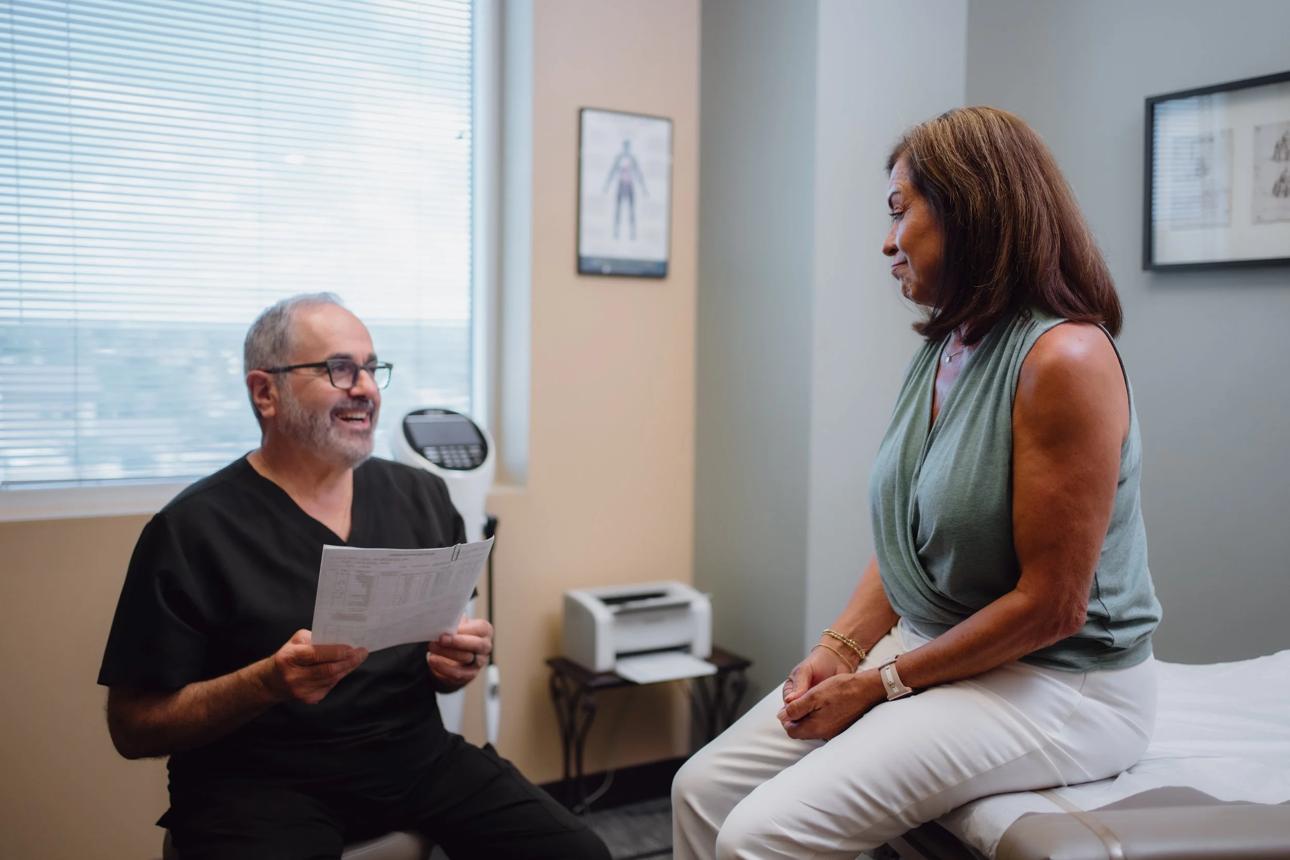
Walking into an HRT clinic for the first time can feel a little intimidating. You may see exam rooms, medical charts, and healthcare professionals in white coats, but there is no need to be nervous. The goal of your first visit is simply to understand what you are experiencing and determine the best path forward.
Initial Consultation
Your first appointment will typically include a detailed discussion about your medical history, current symptoms, lifestyle, and overall health. The more open and honest you are, the easier it is for your provider to develop a treatment plan that fits your individual needs.
Testing And Evaluation
Depending on your symptoms and medical history, your provider may recommend blood tests to evaluate your hormone levels and rule out other possible causes of your symptoms. Combined with your health history and physical assessment, these results help create a clearer picture of your hormonal health.
Discussing Treatment Options
Once your evaluation is complete, your provider will review the findings and discuss your treatment options. Hormone replacement therapy comes in several forms, including pills, patches, gels, creams, injections, and pellets. Together, you can decide which approach best fits your lifestyle, health goals, and medical needs.
The Treatment Phase
Now that you have begun your HRT journey, you may be wondering what comes next. Hormone replacement therapy is a highly personalized process, and finding the right treatment often takes time. Patience is important because your provider may need to make small adjustments before you experience the full benefits.
Finding the Right Dosage
There is no single dosage that works for everyone. Your healthcare provider will work closely with you to determine the amount and type of hormone therapy that best addresses your symptoms while minimizing potential side effects.
Monitoring And Adjustments
Regular follow-up appointments are an important part of successful HRT. During these visits, your provider will review your symptoms, energy levels, sleep, mood, and overall well-being. In some cases, additional blood tests may be recommended to help guide treatment adjustments. This ongoing monitoring helps ensure your therapy remains both safe and effective.
Possible Side Effects
As your body adjusts to hormone therapy, you may experience mild side effects such as breast tenderness, bloating, headaches, or changes in mood. These symptoms often improve over time, but if they persist or become bothersome, your healthcare provider can adjust your dosage or recommend a different treatment option to better meet your needs.
Evaluating Progress And Adjustments
Once you have settled into your HRT routine, regular follow-up appointments with your provider help evaluate your progress and ensure your treatment continues to meet your needs.
Are you sleeping better? Has your energy improved? Are those frustrating hot flashes becoming less frequent? These check-ins allow your healthcare provider to monitor your progress and make any necessary adjustments along the way.
While symptom relief is often the primary goal of hormone replacement therapy, some people may also experience longer-term health benefits. Depending on the individual, HRT may help support bone health and improve overall quality of life. Ongoing monitoring also helps ensure that your treatment remains both safe and effective as your health needs change over time.
Next Steps
Navigating the world of hormone replacement therapy can feel overwhelming at first, but understanding what to expect makes the process much less intimidating. A qualified healthcare provider can help determine whether HRT is appropriate for your symptoms, health history, and personal goals.
If you think hormonal changes may be affecting your quality of life, consider scheduling a consultation with a reputable hormone replacement therapy clinic. Asking questions, discussing your concerns, and exploring your treatment options are important first steps toward feeling more like yourself again. With the right guidance and ongoing support, you can make informed decisions about your health and well-being.



