A reliable vacuum cleaner can make everyday household cleaning significantly easier. Whether you are dealing with pet hair, crumbs from the kids, or dust that seems to accumulate overnight, having a vacuum that works efficiently can save you both time and frustration.
However, even the best vacuum cleaners need regular care to maintain their performance. Without proper maintenance, suction can weaken, filters can become clogged, and small problems can eventually lead to expensive repairs.
Fortunately, a few simple habits can help extend the life of your vacuum cleaner and keep your home looking its best.
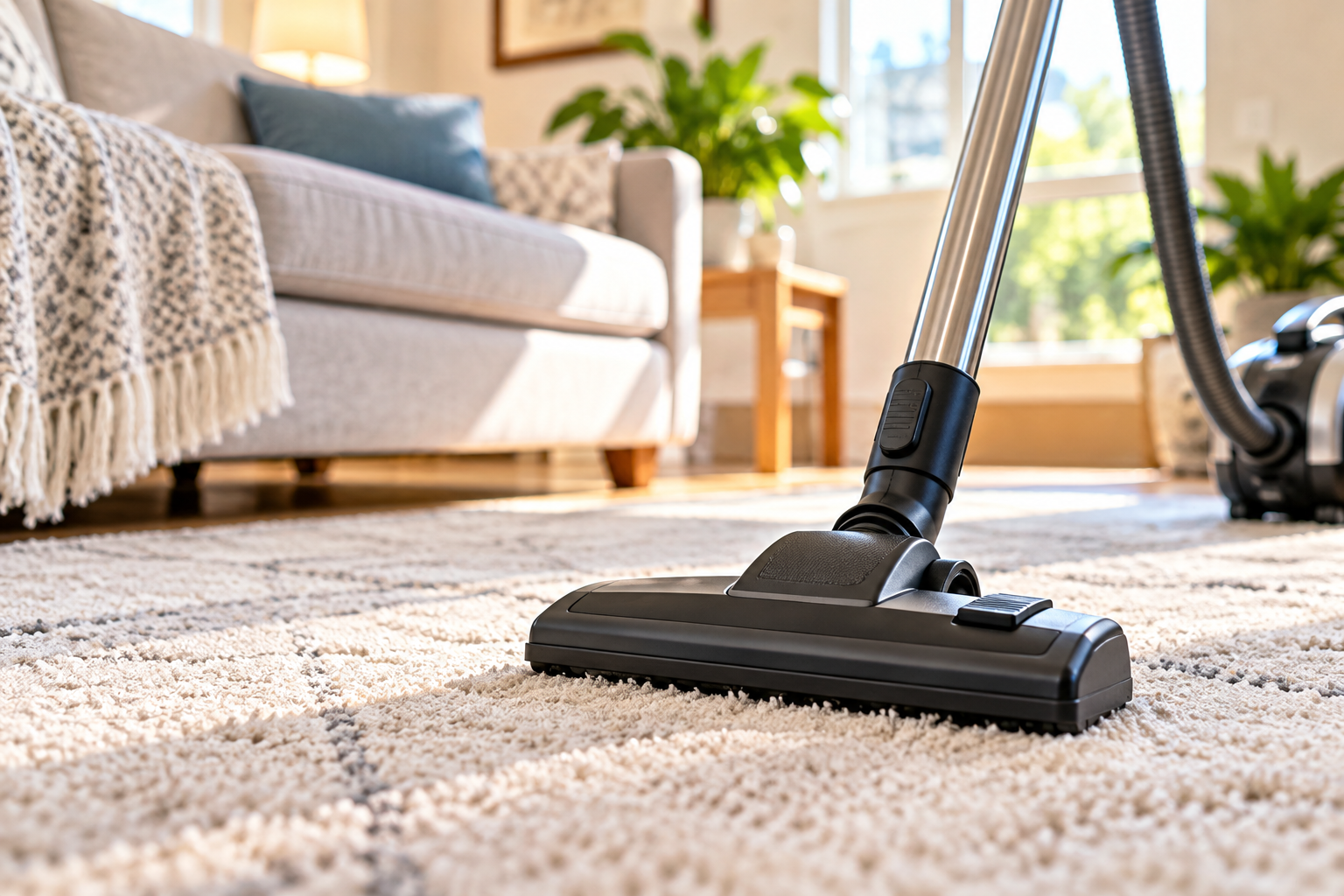
Check your floors before vacuuming
Before turning on your vacuum cleaner, take a few minutes to inspect the area for objects that could cause damage.
Loose change, small toys, hair accessories, and other household items can easily become trapped in the brush roll or vacuum hose. Anyone with children knows how quickly a stray LEGO piece can find its way into an unexpected corner!
Picking up larger objects beforehand helps protect your vacuum’s internal components and prevents unnecessary clogs.
It as a small step that can make a big difference in keeping your machine running smoothly.
Keep your vacuum cleaner clean
One of the easiest ways to extend the life of your vacuum cleaner is to clean it regularly.
Over time, dust, hair, and debris accumulate inside the machine, making it harder for the vacuum to operate efficiently.
Start by checking the brush roll for tangled hair, string, or other materials. Carefully remove anything wrapped around the brushes, following the manufacturer’s instructions.
Next, inspect the hoses and attachments for blockages that could restrict airflow.
If your vacuum uses disposable bags, replace them according to the manufacturer’s recommendations. For bagless models, empty the dust container regularly rather than allowing it to become overly full.
Do not forget about the filters! Some vacuum filters can be washed, while others must be replaced. Always consult your owner’s manual before cleaning them.
Regular maintenance helps preserve suction power and may prevent avoidable repairs.
Pay attention to changes in performance
Your vacuum cleaner often provides warning signs when something is not working correctly.
If you notice weaker suction, unusual noises, overheating, or an unfamiliar smell, stop using the machine and investigate the problem.
A clogged hose or dirty filter may be responsible for reduced suction, while a tangled brush roll can affect how effectively your vacuum cleans carpets.
Some models also use belts that may wear out or break over time.
Fortunately, certain replacement parts are relatively inexpensive, and routine maintenance can often be handled at home.
However, electrical problems, damaged cords, or persistent overheating should be evaluated by a qualified repair professional.
Addressing small issues early can help prevent more expensive problems later.
Choose the right vacuum for your home
Not every vacuum cleaner is designed for the same purpose.
The best option depends on your home’s flooring, available storage space, cleaning habits, and whether you have children or pets.
Here are several common types to consider.
Upright vacuum cleaners
Upright vacuums are popular for cleaning larger carpeted areas. Many models also include settings or attachments for hard floors.
If your home has a combination of carpet and hardwood, look for a vacuum with adjustable suction or a brush roll that can be switched off when appropriate.
Stick vacuum cleaners
Stick vacuums are lightweight and convenient for everyday cleaning.
Many cordless models make it easy to move between rooms, clean stairs, and tackle quick messes without dragging around a larger machine.
Performance varies considerably between models, so compare battery life, suction, and dustbin capacity before purchasing.
Canister vacuum cleaners
Canister vacuums typically feature a separate motor and dust container connected to a cleaning wand by a flexible hose.
They can be particularly useful for cleaning stairs, furniture, and areas underneath household furnishings.
Many models offer attachments designed for different floor surfaces.
Wet/dry vacuum cleaners
Wet/dry vacuums are designed for certain messes that traditional household vacuums cannot safely handle.
They are particularly useful in garages, workshops, and utility areas where larger debris or liquid spills may occur.
Always check the manufacturer’s instructions before collecting liquids or potentially hazardous materials. Ordinary wet/dry vacuums should not be used for hot ashes or other dangerous debris unless specifically rated for that purpose.
Handheld vacuum cleaners
Handheld vacuums are ideal for smaller cleaning tasks.
They can be useful for removing crumbs from furniture, cleaning car interiors, or reaching tight spaces.
Although they generally have smaller dust containers than full-size models, their portability makes them a convenient addition to many households.
Robotic vacuum cleaners
Robotic vacuums have become an increasingly popular option for homeowners who want to simplify their cleaning routines.
These automated devices can help maintain floors between more thorough cleaning sessions, particularly in busy households.
Many models include scheduling features, navigation technology, and automatic docking.
However, robotic vacuums still require maintenance, and their performance can vary depending on flooring, furniture placement, and the amount of debris in your home.
Reading customer reviews and comparing features can help you decide whether one is right for your household.
Establish a simple maintenance routine
Keeping your vacuum cleaner in good condition doesn’t have to be complicated.
After each cleaning session, check whether the dust container needs emptying and remove any visible debris from the brush roll.
Periodically inspect the filters, attachments, and hoses, following the maintenance schedule recommended by the manufacturer.
Store your vacuum in a dry location, avoid pulling it by the electrical cord, and use attachments appropriate for the surfaces you’re cleaning.
These small habits can help your vacuum operate more effectively and potentially extend its useful life.
Final thoughts
There are many ways to get the most out of your vacuum cleaner. Start by removing larger objects from your floors, keeping the brushes and filters clean, and addressing performance issues before they become serious problems.
When shopping for a replacement, consider your home’s specific needs rather than choosing a vacuum based solely on price or appearance.
If you are considering an automated solution, checking out the latest bObsweep reviews can provide insights into one of the popular robotic vacuums available on the market.
Finally, always consult your vacuum’s owner’s manual for maintenance instructions, and contact a qualified repair professional when a problem goes beyond routine cleaning.
With a little care and attention, your vacuum cleaner can remain a dependable part of your household cleaning routine for years to come.




Thanks for sharing this excellent post!
Pingback: How to Fix Vacuum Cleaner without Suction? | My Beautiful Adventures